Yes — professional upholstery cleaning can remove old coffee, food, and wine stains in most cases. Trained technicians use enzyme-based treatments, hot water extraction, and targeted spot solutions that break down stain molecules at a chemical level. Results depend on the fabric type, how long the stain has set, and the cleaning method applied. DIY products rarely penetrate deep enough to fully lift dried or oxidised stains.
If you have been staring at that stubborn coffee ring on your sofa or a dried wine splash on your office chair, you are not alone. These are among the most common complaints from homeowners and office managers across Singapore. The good news is that upholstery cleaners in Singapore are equipped to handle exactly these kinds of embedded stains — even ones that have been sitting for weeks or months.
Why Common Stains Are Harder to Remove Than You Think
Fresh stains are bad enough. Old stains are a different challenge entirely. When a liquid like coffee or red wine is not cleaned immediately, it begins to oxidise and bond with the fabric fibres. Heat — even from sitting in a warm room — accelerates this bonding process. By the time you notice the discolouration has not fully come out, the stain has already set into the deeper layers of the upholstery.
Over-the-counter sprays can lift surface residue, but they rarely break down the chemical compounds responsible for deep staining. Scrubbing too hard can also push the stain deeper or distort fabric weaves, making professional treatment more difficult later. This is especially true for delicate materials like microfibre, velvet, and natural linen — all commonly found in Singapore homes and offices.
The 3 Most Stubborn Upholstery Stains and What Makes Them Stick
1. Coffee Stains
Coffee contains tannins — naturally occurring compounds that act almost like a dye when they dry. Once a coffee stain dries, tannins bind to the fabric at a molecular level. This is why coffee stain cleaning requires enzyme-based pre-treatments that dissolve the tannin structure before extraction. A standard water-and-soap approach will simply not work on a week-old coffee stain.
2. Red Wine Stains
Red wine is a triple threat. It contains tannins, natural pigments (anthocyanins), and sugar. The pigments oxidise over time and can permanently alter the colour of light-coloured fabrics. Sugar residue also attracts dust and bacteria. Sofa stain removal in Singapore for red wine typically involves oxygenating agents combined with deep-extraction equipment to pull out all three components simultaneously.
3. Food Stains (Oil, Sauce, and Grease)
Food stains — especially those involving oils, curry, or tomato-based sauces — are among the most common in family homes. Oil repels water, which makes standard aqueous cleaning ineffective. Professional technicians use solvent-based pre-sprays to emulsify the grease before applying hot water extraction. Without this step, the stain simply redistributes rather than being lifted out.
How Professional Upholstery Stain Removal Actually Works
Understanding the process helps you know what to expect — and why it works better than DIY methods.
| Step | What Happens | Why It Matters |
|---|---|---|
| Fabric Assessment | Technician identifies fabric type and stain age | Prevents damage; determines correct treatment |
| Pre-Treatment | Enzyme or solvent solution applied to stain | Breaks down stain molecules before extraction |
| Agitation | Soft brush works solution into the fibres | Ensures penetration without fabric damage |
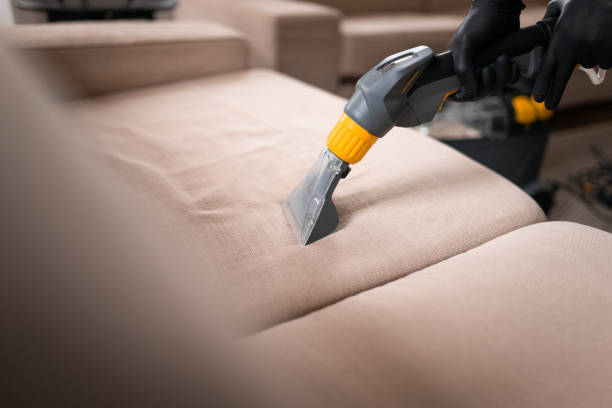
| Hot Water Extraction | High-pressure steam flushes out residue | Removes stain, bacteria, and cleaning agents |
| Drying and Finishing | Air movers speed up drying time | Prevents mould growth in Singapore’s humidity |
This structured process is what separates professional upholstery stain removal from anything available in a supermarket bottle. Each step is calibrated to the specific stain type and fabric, not a one-size-fits-all formula.
Can Every Old Stain Be Fully Removed?
Honest answer: not always. Success depends on several factors. The longer a stain sits, the more it bonds with the fabric. Some synthetic dyes in dark-coloured wines or heavily spiced sauces can cause permanent discolouration even after professional treatment. Certain fabrics — particularly untreated silk or antique upholstery — can also limit what is chemically possible without causing damage.
However, professional treatment significantly improves the outcome in most cases. Even if a stain cannot be fully eliminated, trained technicians can reduce its visibility substantially and sanitise the area to remove odour-causing bacteria. This matters especially in family homes where young children or pets come into contact with sofas daily.
When Should You Call a Professional Instead of DIY?
Not every stain requires professional intervention immediately. But there are clear signs that home remedies are no longer enough:

- The stain has been sitting for more than 48 hours
- Previous cleaning attempts have spread or lightened the stain unevenly
- The fabric is delicate (velvet, microfibre, linen, or leather)
- There is an odour even after surface cleaning
- The stain covers a large area or has soaked into the cushion beneath
- You are preparing a property for rental, sale, or a client visit
Offices in Singapore also benefit from scheduling periodic professional cleans, particularly for fabric chairs in meeting rooms or reception areas where food and drink spills are common. A part time cleaning service may handle regular maintenance, but targeted upholstery stain removal requires specialist equipment and training.
What to Do Before the Technician Arrives
A few simple steps can improve the results of your professional cleaning appointment:
- Do not scrub the stain further. Scrubbing pushes fibres apart and spreads the stain deeper. Blot gently if the stain is still wet.
- Avoid using heat. Never apply a hairdryer or iron to a stain. Heat permanently sets most organic stains into the fabric.
- Note the stain’s age and origin. Telling your technician when the stain occurred and what caused it allows them to select the right pre-treatment product.
- Clear the area around the furniture. Make it easy for the technician to access all angles of the piece.
- Check the fabric label. Look for the cleaning code (W, S, WS, or X) and share it with your cleaner. This gives them a starting point for safe treatment.
Why Singapore’s Climate Makes Professional Cleaning More Important
Singapore’s high humidity — averaging around 84% year-round according to the Meteorological Service Singapore — creates conditions where moisture trapped in upholstery can quickly lead to mould and mildew growth. A stain that seems minor on the surface can harbour bacteria and fungal spores underneath, especially in sofas placed near air-conditioning units where condensation is a factor.
Professional hot water extraction systems remove moisture more effectively than DIY methods, which often leave fabric damp for extended periods. This is a practical consideration for Singapore households, not just an aesthetic one.
For families dealing with recurring spills or office managers maintaining a professional environment, the team at Carpet Cleaning Singapore offers targeted solutions for stubborn stains across a range of fabric types. Their approach addresses both the visible stain and the underlying hygiene concern — which is ultimately what matters most.
Frequently Asked Questions
Can professional cleaning remove a coffee stain that is several months old?
In many cases, yes. Professional technicians use enzyme-based pre-treatments specifically designed to break down tannins in aged coffee stains. Results depend on the fabric type and how deeply the stain has set, but significant improvement is achievable even on stains that are months old.
Is upholstery stain removal safe for all types of fabric?
Not all fabrics respond to the same treatment. Professionals assess the fabric code before selecting a cleaning method. Delicate materials like silk or antique upholstery may require dry-cleaning solvents rather than water-based extraction to avoid shrinkage or colour loss.
How long does it take for upholstery to dry after professional cleaning in Singapore?
Drying typically takes two to four hours with professional air movers in use. Singapore’s humidity can extend this slightly. Technicians often advise keeping windows open or air conditioning running to speed up the process and prevent moisture-related issues.
Can I use a part time cleaning service for sofa stain removal?
General cleaning staff handle routine maintenance well, but deep stain removal requires specialist equipment and chemical knowledge. A part time cleaning service is ideal for regular upkeep, while stubborn or old stains are better handled by a dedicated upholstery cleaning professional.
How often should sofas and office chairs be professionally cleaned in Singapore?
For family homes with children or pets, every six to twelve months is recommended. Office furniture in high-traffic areas benefits from cleaning every three to six months. Singapore’s humidity accelerates bacteria and dust mite build-up, making regular professional cleaning a hygiene necessity rather than a luxury.
Will professional upholstery cleaning completely eliminate stain odours?
Yes, in most cases. Hot water extraction removes the organic residue causing the odour, not just the visible stain. For severe cases involving mould or pet-related stains, technicians may apply antimicrobial treatments to fully neutralise odour-causing bacteria embedded deep in the fabric and cushion layers.