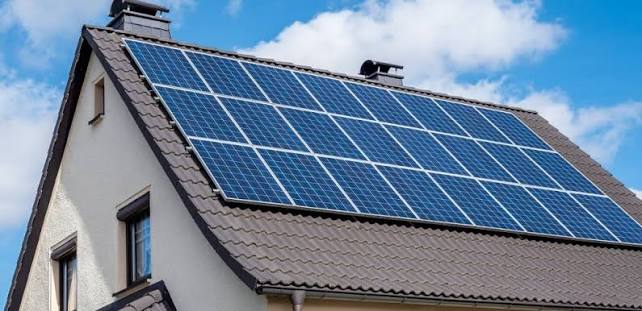
Installing solar panels at home can be a smart way to cut electricity bills and use cleaner energy. With energy costs still a concern for many UK households, more homeowners are looking for ways to make their homes cheaper to run.
But is solar power worth the money? How much does a typical system cost, and should you fit the panels yourself or hire an expert?
The answer depends on your roof, energy use and budget. A well-planned solar system can lower your bills for years. The trick is to choose the right setup and avoid paying for features you do not need.
This guide covers the cost of solar panels, their main benefits, and what to look for when choosing an installer in the UK.

How Much Does Solar Panel Installation Cost in the UK?
The cost of installing solar panels depends on the size of your system, the type of panels you choose and the work needed to fit them.
For most homes, a small system costs less than a larger setup. Adding a battery also increases the upfront price, although it can help you use more of your own solar power.
Here is a rough guide to typical costs:
| Solar System | Estimated Cost |
|---|---|
| 3kW system | £4,000–£5,500 |
| 4kW system | £5,000–£7,000 |
| 5kW system | £6,000–£8,500 |
| Home battery storage | £2,000–£5,000 extra |
These figures are general estimates, not fixed quotes. Actual prices can vary by installer, equipment, roof access and location. Ask for an itemised quote before making a decision.
What Affects the Installation Price?
Several factors can change the final cost of your solar project.
- System size: More panels usually mean a higher upfront cost, but they may generate more electricity.
- Panel quality: Different brands offer different levels of output, efficiency and warranty cover.
- Roof condition: Repairs or extra mounting work can add to the price.
- Battery storage: A battery lets you store spare electricity for later use.
- Scaffolding and labour: Difficult roof access can increase installation costs.
- Electrical upgrades: Some homes need extra work to support a new solar system.
The cheapest quote is not always the best deal. Check what each installer includes, so you can compare prices fairly.
The Main Benefits of Solar Panels for Your Home
Solar panels do more than generate electricity. They can help you manage household costs and make better use of the energy your home receives from the sun.
1. Lower Your Electricity Bills
Solar panels generate electricity during daylight hours. You can use this power to run appliances, lights and other household equipment instead of buying all your electricity from the grid.
You will usually save more when you use your appliances while your panels are producing power.
For example, running your washing machine or dishwasher during the day can help you use more of your own electricity. This is especially useful if someone is home during daylight hours.
2. Get More Control Over Energy Costs
Energy prices can change, making household budgets harder to manage. Solar panels give you another way to meet your electricity needs.
Your savings will depend on how much power you generate and use, along with your electricity tariff. Solar panels will not remove every energy bill, but they can reduce the amount of electricity you need to buy.
3. Reduce Your Carbon Footprint
Solar power generates electricity without burning fossil fuels at your home. This can help reduce the carbon emissions linked to your household energy use.
If you want to make your home greener without changing your daily routine, solar panels are worth considering.
4. Earn Money From Spare Electricity
Your solar panels may generate more electricity than you need at certain times. Under the UK’s Smart Export Guarantee (SEG), eligible households can receive payments for electricity exported to the grid through participating suppliers.
Rates and terms vary between suppliers. Check the current offers before choosing a tariff, as the best option will depend on your energy needs.
5. Make Better Use of Your Roof
A suitable roof can become a useful source of clean electricity for many years. Modern solar panels are designed for long-term use, and many come with performance warranties lasting 25 years or more.
Before installation, check your roof’s condition. Replacing damaged tiles after fitting the panels can be costly and inconvenient.
Why Professional Solar Panel Installation Matters
Solar panels may look simple from the ground, but fitting them safely takes proper planning and electrical knowledge.
A professional installer should assess your roof, estimate your home’s energy needs and recommend a suitable system. They should also explain the expected output and any limits that could affect performance.
Reliable Solar Panel Installation Services can help you choose the right equipment, arrange the installation and check that the system works as intended.

What Should a Good Installer Provide?
Before hiring a company, check that it offers:
- A home or remote assessment based on your roof and energy use.
- A clear quote covering panels, mounting equipment, labour and electrical work.
- Advice on battery storage and whether it suits your needs.
- Details of product, workmanship and performance warranties.
- Information about maintenance and aftercare.
- Support with relevant electrical and building requirements.
In the UK, it is sensible to look for an installer certified under the Microgeneration Certification Scheme (MCS) where applicable. Check the company’s current certification and whether the proposed system meets the requirements of any export tariff or grant you plan to use.
Do not feel pressured to sign up on the spot. A trustworthy installer should give you time to compare options and ask questions.
Are Roof-Mounted or Ground-Mounted Solar Panels Better?
Most UK homes use roof-mounted panels because they make use of existing space. However, a roof is not always the best place for a solar system.
If you have a large garden or suitable land, Ground Mounted Solar Panels may be worth exploring.
Ground-mounted systems can offer more freedom over panel angle and direction. They may also be easier to access for cleaning and maintenance.
However, they need suitable outdoor space and a secure mounting structure. Groundworks, cabling and planning restrictions can also increase the overall cost.
Before choosing either option, consider:
- Available space: Does your roof or garden have enough room?
- Sunlight: Will trees, buildings or other obstacles create shade?
- Installation costs: Will extra structural work or cabling be needed?
- Planning rules: Could your property or location have restrictions?
- Future needs: Might you want to expand the system later?
A professional assessment can help you decide which option offers better value for your property.
Should You Add a Solar Battery?
A solar battery stores extra electricity produced during the day. You can then use that stored power in the evening or at other times when your panels are not generating enough electricity.
For example, your panels may produce plenty of power while you are at work. A battery can store some of the surplus for use when you return home.
However, a battery is not essential for every household.
It may be worth considering if you use more electricity in the evening, want to increase your use of solar power or have a suitable tariff. If you use most of your electricity during the day, panels alone may offer better value.
Ask your installer to compare the likely savings with and without a battery. This will help you see whether the extra cost makes sense.
How to Get the Best Value From Solar Panels
A good solar system should match your home, not just your budget. Before choosing an installer, take a few simple steps.
- Check your electricity bills. Understand how much power your household uses and when you use it.
- Compare at least three quotes. Look at equipment, warranties, estimated output and total costs.
- Check your roof. Make sure it is in good condition and receives enough sunlight.
- Review export tariffs. Compare available SEG rates and payment terms.
- Ask about maintenance. Find out what checks are recommended and what support comes with the system.
- Check the payback estimate. Ask how long it could take for your savings to cover the upfront cost.
Be wary of sales pitches that promise guaranteed savings without checking your home. Solar performance depends on several factors, so estimates should be based on your actual circumstances.
Is Solar Panel Installation Worth It in 2026?
For many UK homeowners, solar panels can be a worthwhile long-term investment. They can reduce electricity bills, lower reliance on grid power and help cut household emissions.
However, the savings are not the same for everyone. Roof direction, shading, energy use, installation costs and export rates all play a part.
The best approach is to compare your options carefully and get advice from a qualified installer. A system that suits your home and daily routine is more likely to offer good value than one chosen on price alone.
If you are thinking about going solar, start by reviewing your energy use and getting a few detailed quotes. With the right setup, you could turn your roof into a useful source of electricity for years to come.
Frequently Asked Questions
1. How much does it cost to install solar panels on a UK home?
A typical residential system may cost around £4,000–£8,500, depending on its size and the work required. Adding a battery can increase the total cost. Get a tailored quote for an accurate figure.
2. How long do solar panels last?
Many solar panels are designed to work for 25 years or more. Their output may gradually decline over time, so check the manufacturer’s performance warranty before buying.
3. Do solar panels work on cloudy days in the UK?
Yes. Solar panels can generate electricity in cloudy weather, although they usually produce less than they do in strong sunlight. Output also changes with the season and the amount of daylight.
4. Do I need planning permission for solar panels?
Many domestic solar installations fall under permitted development rules in England, but exceptions apply. Listed buildings, conservation areas and certain installations may face extra restrictions. Check the rules for your property and local authority before work begins.
5. Are solar panels worth installing without a battery?
Yes. Panels can lower your electricity bills without battery storage. Whether a battery is worthwhile depends on your energy habits, available tariffs and the extra installation cost. Compare both options before deciding.