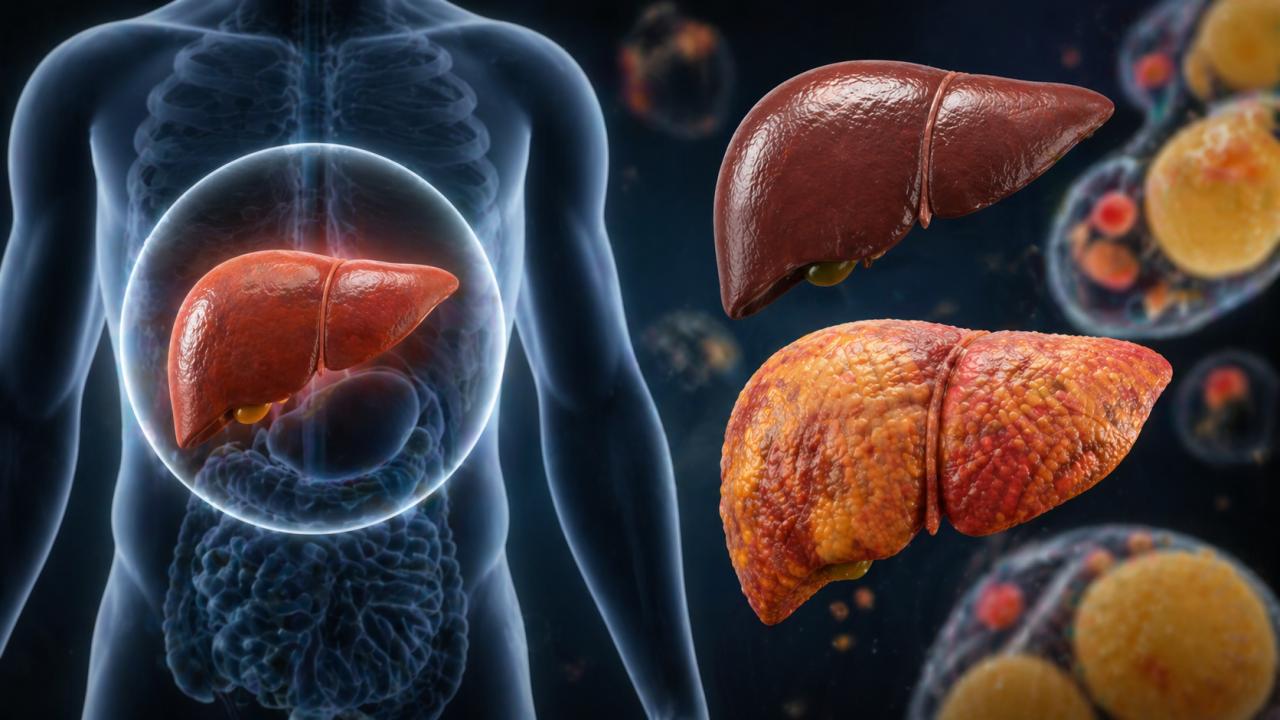
You may discover fatty liver during a routine blood test or ultrasound, even when you feel well and have no obvious symptoms. This can naturally raise questions about how serious the condition is and whether your liver has already been affected. Fatty liver can range from simple fat accumulation to inflammation or fibrosis, which makes proper assessment important.
Mumbai has a well-established healthcare network with access to liver specialists and diagnostic facilities. If you are looking for Fatty Liver Treatment in Mumbai, medical evaluation can help assess liver fat, fibrosis risk and related metabolic factors. Understanding these findings can help you explore suitable treatment options, lifestyle changes and follow-up needed to support long-term liver health.
What Is Fatty Liver Disease?
Fatty liver disease develops when excess fat accumulates within liver cells. Metabolic dysfunction-associated steatotic liver disease, or MASLD, is commonly linked with excess body weight, type 2 diabetes, high cholesterol, high blood pressure and other metabolic factors. The condition can vary in severity. Some people have fat accumulation without significant liver damage, while others may develop inflammation or fibrosis. Doctors consider metabolic health, alcohol intake, medical history and test findings when assessing the condition.
How Is Fatty Liver Diagnosed?
Fatty liver may be detected during routine testing or while investigating abnormal liver blood tests. Doctors may use several assessments to understand liver health, including:

- Medical History and Assessment: The doctor may review weight, diabetes, cholesterol, alcohol intake, medicines and other metabolic risk factors.
- Liver Blood Tests: Blood tests can check liver enzymes and provide information about conditions that may affect liver health.
- Imaging Tests: Ultrasound can identify fat accumulation in the liver. Additional imaging may be advised when more information is required.
- Liver Stiffness Assessment: Tests such as transient elastography can measure liver stiffness and help assess possible fibrosis.
These findings help doctors understand the extent of liver changes and determine whether monitoring, further investigation or treatment may be needed.
What Are the Treatment Options for Fatty Liver?
Treatment depends on the extent of liver changes, metabolic health and any related medical conditions. The approach may include:
- Weight Management: Gradual weight reduction may help decrease liver fat in people with excess body weight.
- Diabetes Management: Keeping blood glucose under control can help address an important metabolic factor linked with fatty liver.
- Cholesterol and Blood Pressure Management: Doctors may recommend appropriate treatment to manage high cholesterol and blood pressure.
- Specialist Care for Fibrosis or Inflammation: People with liver inflammation or fibrosis may need closer monitoring and further assessment.
- Regular Follow-Up: Blood tests, imaging and other assessments can help doctors monitor liver health and adjust the care plan when needed.
Treatment is planned according to the individual findings, so regular medical review remains important for long-term liver care.

Which Lifestyle Changes Can Help Manage Fatty Liver?
Lifestyle changes form an important part of fatty liver management. Recommendations should suit the person’s health, activity level and metabolic condition.
- Maintain a Healthy Weight: Gradual weight management can help reduce liver fat and support metabolic health.
- Choose Balanced Meals: Vegetables, fruits, whole grains, protein-rich foods and other nutrient-dense options can support healthy eating patterns.
- Stay Physically Active: Regular physical activity can support weight management, insulin sensitivity and overall metabolic health.
- Discuss Alcohol Intake: Alcohol recommendations depend on liver health and individual circumstances, so medical guidance is important.
- Manage Related Conditions: Keeping diabetes, cholesterol and blood pressure under control can support long-term liver health.
Consistent lifestyle changes can support treatment and long-term liver care. Regular medical follow-up can also help track progress and adjust recommendations when required.
When Should You Seek Fatty Liver Treatment in Mumbai?
Medical consultation is advisable when liver blood tests remain abnormal or imaging shows fat accumulation in the liver. People with diabetes, excess body weight, high cholesterol or other metabolic risk factors may also benefit from liver assessment, even when noticeable symptoms are absent.
When considering fatty liver treatment in Mumbai, access to gastroenterology or liver specialists, diagnostic facilities, and follow-up care can support appropriate management. Leading hospitals such as Nanavati Max Super Speciality Hospital provide gastroenterology and liver care services, where assessment may include blood tests, imaging, fibrosis evaluation and review of metabolic risk factors based on individual clinical needs.
Conclusion
Fatty liver care begins with understanding the extent of fat accumulation and identifying the metabolic factors that may be contributing to it. Blood tests, imaging and liver stiffness assessment can help doctors evaluate liver health and determine whether monitoring or treatment is required.
Weight management, balanced nutrition, regular physical activity and appropriate control of diabetes, cholesterol and blood pressure can support long-term liver health. Regular medical follow-up can help ensure that the treatment approach continues to reflect changes in liver health and overall metabolic condition.