The right lighting plan for a 4 room BTO does more than brighten a space — it shapes how large, warm, or functional each room feels. By layering ambient, task, and accent lighting across your flat, you can visually expand tight areas, improve daily usability, and set the right mood in every zone without relying solely on decorative ceiling fixtures.
If you are planning your 4 room BTO interior design, lighting is one of the highest-impact decisions you will make — and one of the most underplanned. Most homeowners focus on furniture and finishes, then treat lighting as an afterthought. That is a costly mistake. In a typical 4 room HDB flat ranging from 90 to 105 square metres, layered lighting is the single most effective non-structural tool to make rooms feel larger and more intentional.
Why Layered Lighting Works Better Than a Single Ceiling Light
A single BTO ceiling light centred in a room creates flat, even illumination. It removes shadows, which sounds ideal — but shadows are what give a space depth and dimension. Without contrast, a room looks smaller and less defined.

Layered lighting solves this by combining three types of light sources:
- Ambient lighting — the base layer, providing general illumination (e.g. recessed downlights or surface-mounted ceiling lights)
- Task lighting — focused light for specific activities like cooking, reading, or working
- Accent lighting — decorative or directional light that adds depth, highlights textures, and draws the eye across a room
When these three layers work together, the room feels fuller and more spacious — even in a compact HDB layout.
Living Room: Use Light to Define Zones
In a 4 room BTO, the living and dining areas often share an open-plan space. Using identical lighting throughout makes the two zones blur together. Instead, use lighting to separate them visually without building walls.
What to Do
- Install recessed downlights across the living area on a dimmable circuit. Dimming allows the space to shift from a bright daytime setting to a relaxed evening atmosphere.
- Add a pendant light or a cluster of hanging lights directly above the dining table. This anchors the dining zone and makes it feel intentional.
- Place a floor lamp or wall-mounted reading light near the sofa to create a reading nook without additional furniture.
Cove lighting along a false ceiling or feature wall is another popular technique in Singapore HDB living rooms. It bounces light off the ceiling, making the ceiling feel higher and the room feel wider. According to the Building and Construction Authority (BCA) of Singapore, energy-efficient LED systems are strongly recommended for residential use — and dimmable LEDs deliver both energy savings and lighting flexibility in one.
Kitchen Lighting: Functional First, Beautiful Second
Kitchen lighting in a BTO is often handled with a single fluorescent tube, which leaves countertops and prep zones in shadow — precisely where you need the most light. Proper kitchen lighting combines two distinct layers.
Step-by-Step Kitchen Lighting Plan
- Overhead ambient light: A flush or semi-flush ceiling light provides general illumination for the whole kitchen.
- Under-cabinet task lighting: LED strip lights mounted beneath wall cabinets shine directly onto the countertop. This is a critical safety and usability upgrade, especially when using knives or hot equipment.
- Above-cabinet accent strip: A subtle LED strip on top of wall cabinets bounces light off the ceiling, adding visual height and warmth to the kitchen without adding clutter.
This three-layer approach makes a narrow galley kitchen or L-shaped HDB kitchen look and function significantly better. It also reduces eye strain for daily cooking.
Bedroom Lighting: Set the Mood Without Overhead Glare
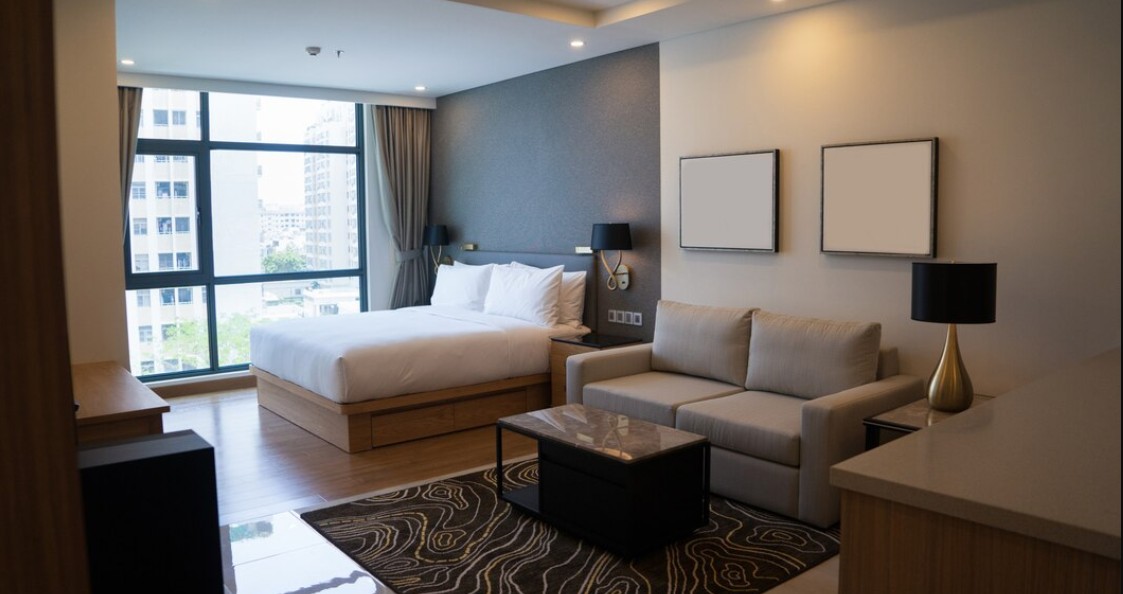
Overhead bedroom lighting is the most common mistake in Singapore BTOs. A bright, centred ceiling light makes the bedroom feel clinical and disrupts sleep quality. The goal of bedroom lighting is to offer flexibility — bright when you need it, warm and dim when you do not.
Bedroom Lighting Ideas That Work
- Recessed downlights on a dimmer: Position them away from directly above the bed to avoid shining light into your eyes when lying down.
- Bedside wall sconces or pendant lights: These replace bedside table lamps and free up surface space — a genuine advantage in compact BTO bedrooms.
- Warm white LEDs (2700K–3000K): Cooler light (above 4000K) is stimulating and best kept for kitchens and study rooms. Warm white tones promote relaxation and make bedroom walls feel softer.
- LED strip under the bed frame: A low-wattage strip creates a floating effect and provides soft navigational lighting at night.
Study and Home Office: Prioritise Task Lighting
With remote work now a regular part of life for many Singapore households, the study corner or dedicated study room in a 4 room HDB BTO interior design needs more thought than it typically gets.
Direct task lighting on the desk surface reduces eye strain during long working hours. A adjustable desk lamp with a colour temperature of 4000K–5000K (neutral to cool white) mimics natural daylight and keeps you alert. Pair it with a softly lit ambient layer from ceiling lights to avoid harsh contrast between the bright desk and a dark background — which is a common cause of screen fatigue.
How Colour Temperature Affects Perceived Space
| Colour Temperature | Appearance | Best Used In |
|---|---|---|
| 2700K – 3000K | Warm white / soft yellow | Bedroom, living room, dining area |
| 3500K – 4000K | Neutral white | Kitchen, bathrooms, study corners |
| 4000K – 5000K | Cool white / daylight | Home office, workbenches, utility areas |
Choosing consistent colour temperatures within the same zone matters more than the brand or style of the fixture. Mixing warm and cool lights in a single open-plan area creates visual inconsistency that makes the space feel disjointed.
Practical Tips Before Your Electrician Starts Work
Lighting decisions in a BTO need to happen during renovation planning — not after your walls are closed up. Here is what to lock in early:
- Plan your lighting points on a floor plan before finalising carpentry or false ceiling layouts.
- Request separate switches or dimmer circuits for ambient and accent zones so you can control layers independently.
- Choose LEDs throughout — they use up to 75% less energy than incandescent bulbs and last significantly longer, which matters in a country where electricity tariffs are regulated by the Energy Market Authority (EMA) of Singapore.
- Discuss recessed downlight spacing with your ID or electrician. A common guideline is to space downlights at roughly 1 to 1.2 times the ceiling height apart for even distribution.
- Avoid over-lighting. More light points do not always mean a better result. Thoughtful placement always outperforms quantity.
At Posh Living, the approach to 4 room BTO interior design integrates lighting planning as a core part of the design process — not a last-minute add-on. If you are mapping out your BTO renovation and want lighting that genuinely elevates your home, it is worth working with a team that thinks in layers from day one.
Frequently Asked Questions
What type of lighting is best for a 4 room BTO flat?
A layered approach works best — combining ambient ceiling lights, task lighting for functional areas like the kitchen and desk, and accent lights for depth. Using dimmable LED lights across all zones gives you the most flexibility to adjust mood and brightness throughout the day.
How many downlights do I need for a BTO living room?
A general rule is to space recessed downlights approximately 1 to 1.2 times the ceiling height apart. For a standard BTO living room with a 2.6-metre ceiling, downlights spaced around 1.2 to 1.5 metres apart typically provide even, comfortable illumination without over-lighting the space.
What colour temperature should I use in a BTO bedroom?
Use warm white LEDs between 2700K and 3000K in the bedroom. This range creates a relaxing atmosphere, reduces sleep disruption, and makes walls and soft furnishings appear warmer and more comfortable compared to cooler, bluish-white tones above 4000K.
Can lighting really make a small HDB room look bigger?
Yes. Strategic lighting — such as cove lighting to visually raise a ceiling, or wall-washing to widen a narrow room — creates the illusion of more space without structural changes. Avoiding a single central ceiling light and layering multiple light sources adds depth and dimension to compact rooms.
Should I install smart lighting in my BTO?
Smart lighting is worth considering if you want scene control, scheduling, or energy monitoring. Many Singapore homeowners opt for a basic dimmable LED setup with separate circuits as a cost-effective alternative. Smart systems add convenience but require proper planning of your electrical layout from the renovation stage.
What are HDB BTO lighting regulations I should know about?
All electrical works in Singapore HDB flats must be carried out by a Licensed Electrical Worker (LEW) registered with the Energy Market Authority (EMA). Homeowners should ensure their electrician or interior design firm complies with this requirement before any wiring or lighting installation work begins.