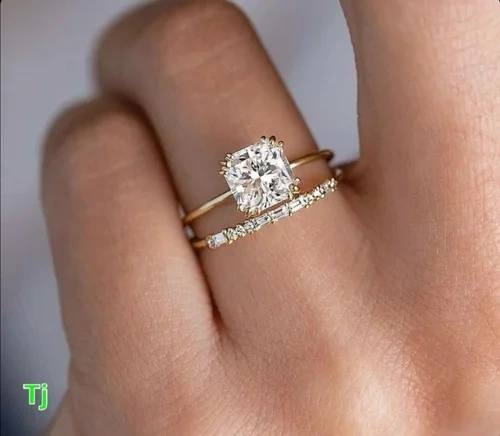
Most of us have a few bits of gold sitting around: a ring that no longer fits, a chain with a broken clasp, or a single earring whose partner vanished years ago. Selling them sounds simple, but a lot of people walk away feeling they were underpaid, rushed, or left guessing. If you want a straight answer on what your pieces are worth, start with a buyer who explains the process openly, like nz gold merchants, where valuations are done in front of you and nothing is hidden.
How to Tell a Good Gold Buyer from a Bad One
The first sign is how they talk about pricing. A reliable buyer tells you the gold price they’re working from, the weight of your item, and the purity they’ve tested. If someone gives you a vague number and says “that’s the best I can do” without showing any workings, walk away.
Second, look at how they handle your items. Your gold should be weighed and tested where you can see it. Nothing should disappear into a back room. Honest businesses don’t mind you watching, because they’ve got nothing to hide.
Third, check for a real shopfront or a clear business address, and read what past customers have said. A jeweller with a long local history, such as TJ Diamond, has a reputation to protect, which usually keeps the pricing fair. You’re also far less likely to run into pressure tactics than you would with a pop-up buyer who’s in town for a weekend.

Getting the Best Price for What You’re Selling
A little preparation goes a long way. Don’t clean your jewellery aggressively or try to fix it first. Buyers value gold by weight and purity, so a repair won’t add anything. Do check for hallmarks like 9ct, 14ct, 18ct or 375, 585, 750 stamped inside bands or on clasps. Knowing your carat gives you a rough idea of what to expect.
Gold prices move daily, so it pays to check the current spot rate before you go in. Whichever nz gold merchants you pick, ask what percentage of the spot value they pay out. That percentage is where the real difference between buyers shows up. One offering 70% and another offering 85% on the same ring can mean a gap of a few hundred dollars.
Get at least two quotes if you can, and bring ID, since legitimate buyers in New Zealand are required to verify who you are. If a buyer skips this step, treat it as a warning sign, not a convenience.

Finally, don’t feel obliged to accept the first offer. A good buyer will give you time to think it over and won’t make you feel guilty for asking questions.
Frequently Asked Questions
1. What should I look for in nz gold merchants?
Look for open testing, a clear explanation of how the price is calculated, proper ID checks, and genuine customer reviews. If they’re happy to explain every step, that’s a good sign.
2. Can I sell broken or damaged jewellery?
Yes. Gold is valued by weight and purity, so snapped chains, bent rings, and single earrings are all worth something. Condition matters far less than most people think.
3. How is the price of my gold worked out?
The buyer weighs your item, tests the carat, then multiplies the pure gold content by the current market rate. A fair buyer will show you each of these numbers.
4. Do I need to bring ID?
Yes. In New Zealand, buyers need to confirm your identity before they can purchase second-hand precious metals. Bring a passport or driver licence.
5. How quickly will I get paid?
It depends on the buyer and the amount, but many pay the same day once the valuation is agreed. Ask about payment method before you hand anything over so there are no surprises.