Dubai is a city built on trust, and trust increasingly depends on visibility. From waterfront towers in Dubai Marina and villas in Arabian Ranches to warehouses in Jebel Ali and boutiques in Downtown, property owners now expect security that does more than record footage. They want systems that detect, verify, and respond. The modern Security and Surveillance Systems in Dubai is no longer a set of cameras and a recorder. It is an integrated, network-based platform that combines video, access control, alarms, and automation under one managed environment.
What “Security and Surveillance” Means Today
The two terms overlap but are not identical. Surveillance refers to monitoring and recording, chiefly through CCTV and analytics. Security is the wider discipline: preventing, detecting, and responding to threats. A well-designed Dubai deployment typically draws on several layers:
- Video surveillance: IP cameras, recorders, and video management software.
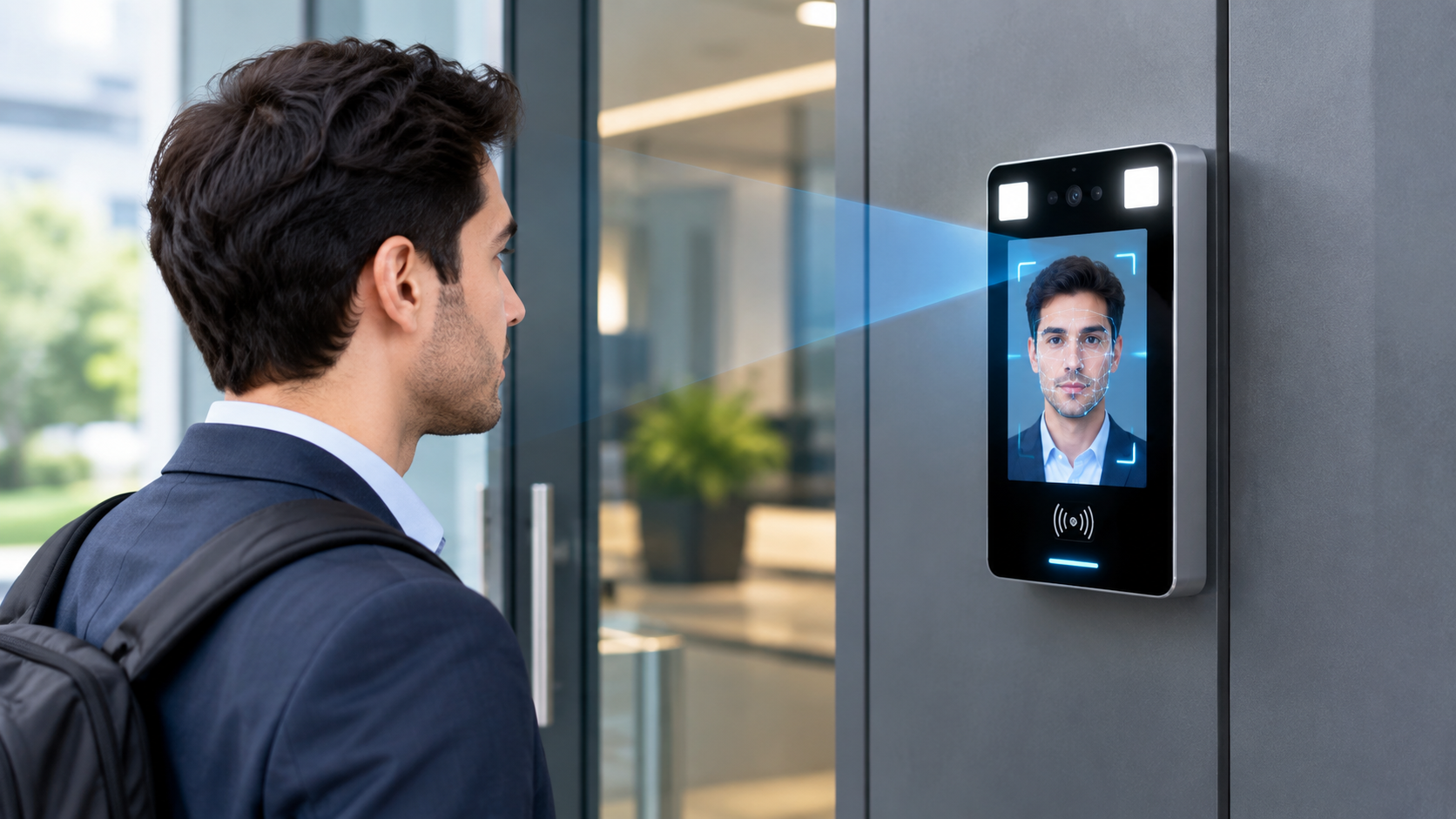
- Access control: Card, PIN, biometric, or mobile credentials governing who enters which areas.
- Intrusion detection: Door and window contacts, motion detectors, glass-break sensors, and perimeter beams.
- Video intercom and entry: Visual verification of visitors at gates and doors.
- Alarms and notifications: Local sirens, mobile alerts, and where appropriate, monitored response.
- Automation: Lighting, locks, and shutters that react to security events.
Each layer is useful alone. Together they reduce blind spots and cut false alarms, because one system can confirm what another detects.
Regulation and Privacy in Dubai
Surveillance in Dubai operates within a defined framework. The Security Industry Regulatory Agency (SIRA) regulates security systems and service providers across much of the emirate, and many commercial and public-facing premises must meet its requirements on equipment, installation, and recording. Federal data protection law also shapes how footage of identifiable individuals is stored, accessed, and shared.

In practice, this means cameras should not look into neighbouring private spaces, signage and retention policies deserve attention for businesses, and installations should be carried out by providers authorised for the work. Requirements differ by property type and are updated over time, so owners should confirm current obligations with their provider and the relevant authority before installation.
Designing for Dubai Conditions
Engineering quality matters more here than in milder climates. Summer heat, coastal humidity, and desert dust degrade poorly specified equipment quickly. Outdoor devices should carry suitable ingress protection (IP66 or higher is common), tolerate high operating temperatures, and use corrosion-resistant mounting. Cable runs outdoors belong in conduit, and exposed connections need proper sealing.
Scale introduces its own demands. A villa may need eight cameras and a handful of sensors. A mixed-use tower or logistics campus may need hundreds of endpoints, redundant servers, and centralised management across multiple buildings. Good design starts with a site survey and risk assessment, then selects equipment for each task, whether general awareness, facial identification, or number plate recognition.
The Network Is the Backbone
Almost every modern system relies on IP networking, so network engineering decides reliability. Key considerations include:
- PoE capacity: Switches must supply enough power for cameras, infrared illuminators, and PTZ motors, with headroom for growth.
- Bandwidth: High-resolution streams consume significant capacity, so uplinks and storage throughput need planning.
- Segmentation: Separating security devices onto their own VLAN limits congestion and contains risk if another device is compromised.
- Power resilience: Uninterruptible power supplies keep recorders, switches, and cameras running through short outages.
Cybersecurity: Protecting the Protectors
Connected security devices are targets in their own right. Default passwords, outdated firmware, and open remote-access ports remain common weaknesses. A professional installation changes default credentials, applies current firmware, disables unused services, and provides remote access through encrypted channels such as a VPN or secure vendor relay. Multi-factor authentication should be enabled wherever supported. Documenting these steps at handover gives owners a clear record of how their system is protected.

Analytics and Smart Integration
Analytics are changing how systems are used. Line crossing, intrusion zones, people and vehicle classification, and automatic number plate recognition help operators focus on genuine events. Efficient compression such as H.265 can reduce storage requirements compared with older codecs, though savings depend on scene activity.
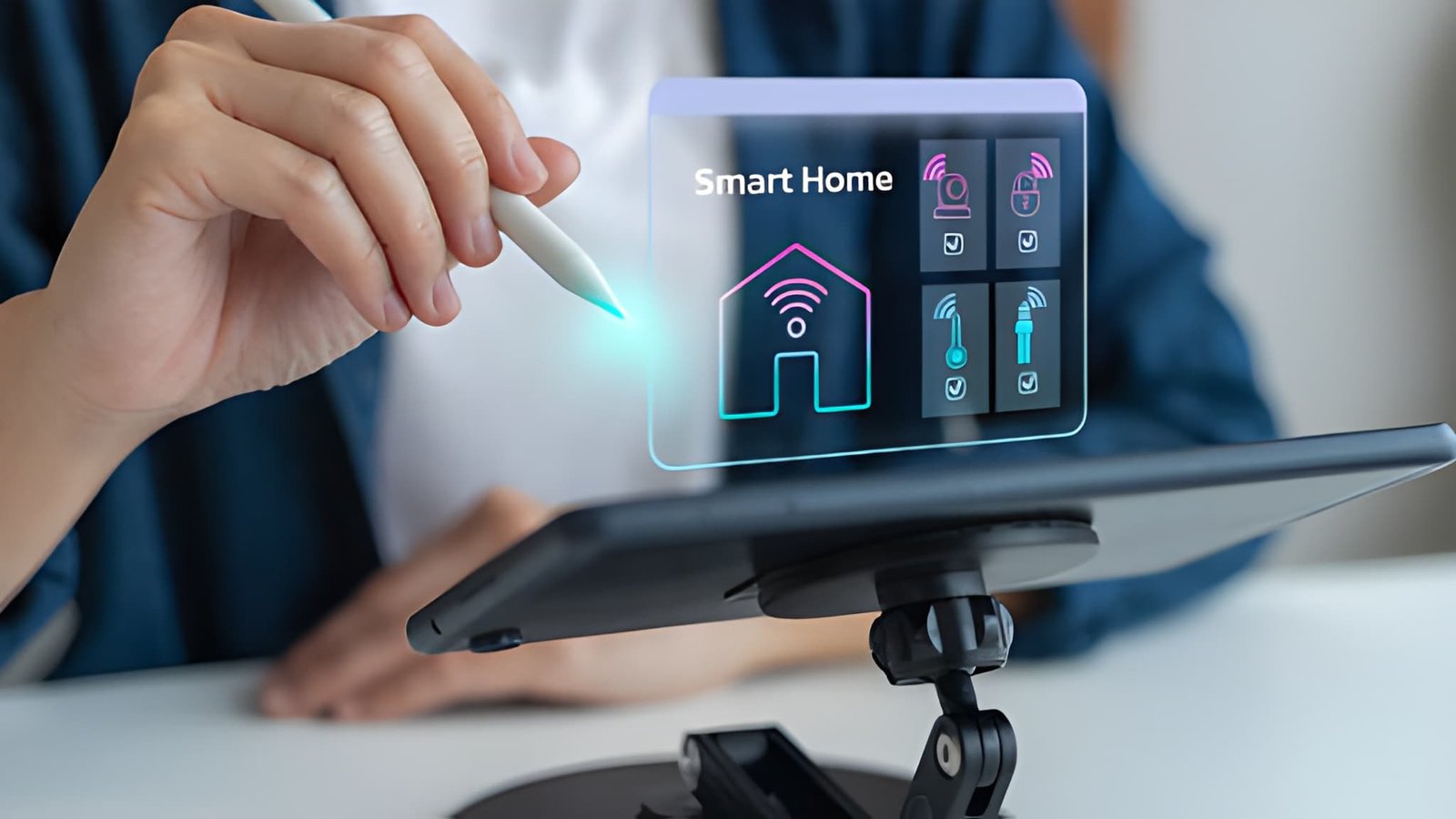
Integration is where security becomes active. For homes and businesses working with Smart Living Technology, camera events can trigger lighting, lock doors, notify residents, or bring a gate camera onto a video intercom screen. Combining surveillance with home and building automation turns a passive record into a coordinated response.
Choosing the Right Provider
Selecting a provider is as important as selecting equipment. Consider these checks:
- Authorisation and credentials appropriate to your property type and emirate.
- A documented survey and design process rather than a quote based on a phone call.
- A written scope listing camera models, cabling, storage capacity, and retention days.
- Clear warranty and support terms, including response times.
- Ownership of administrator credentials and full handover documentation.
- Comparison by specification, not price alone, since the cheapest quote often omits conduit, storage, or commissioning.
Conclusion
A security and surveillance system in Dubai should be judged by how well it detects, verifies, and supports a response, not by camera count. The strongest deployments combine careful design, climate-appropriate equipment, a hardened network, regulatory awareness, and dependable aftercare. As analytics, cloud management, and automation mature, systems built to scale will stay relevant well beyond the end of 2027. For homes and businesses seeking that standard, Smart Living Technology delivers integrated security, surveillance, and automation solutions designed for the demands of Dubai.
FAQs
How do I know which security and surveillance system suits my property?
Start with a site survey and risk assessment. The right system depends on property size, entry points, lighting, usage patterns, and what you need to detect or identify. A professional provider will translate those needs into a specified design.
What is included in a complete security and surveillance system?
Typically IP cameras, a recorder or server, PoE switching, cabling, and remote viewing software. Many systems add access control, video intercoms, intrusion sensors, alarms, and automation links.
Why is regulatory compliance important for surveillance in Dubai?
Rules on equipment, installation, and data handling help ensure systems are reliable and respect privacy. Non-compliant installations can face rework or penalties, so confirm current requirements before you begin.
How can I view my cameras remotely and safely?
Use a mobile app or client connected through encrypted remote access, ideally a VPN or secure relay rather than open port forwarding. Pair this with strong unique passwords and multi-factor authentication where available.
What maintenance does a surveillance system need?
Regular lens cleaning, firmware updates, hard drive health checks, and review of recording settings. A maintenance agreement helps catch faults early, before a gap in coverage appears.