The title “worth waiting for” made sense when the Yamaha XSR 155 was discussed mainly as a motorcycle Indian enthusiasts hoped would arrive. By September 2026, the situation has changed. Yamaha India now lists the XSR 155 in its official motorcycle e-shop, provides a dedicated product page and publishes an India-specification brochure. That means buyers should no longer evaluate it only as a future possibility; they can assess what the motorcycle actually brings to Yamaha’s Indian line-up.
The XSR 155 is particularly interesting because it combines retro styling with the same broad performance philosophy that made Yamaha’s 155cc liquid-cooled platform popular. It therefore sits in a different emotional space from a commuter-oriented motorcycle such as the Yamaha FZS Hybrid. One prioritises neo-retro design and stronger engine performance, while the other focuses more heavily on everyday efficiency, accessible torque and hybrid-assisted city usability.
Retro Styling Is Only Half the XSR 155 Story
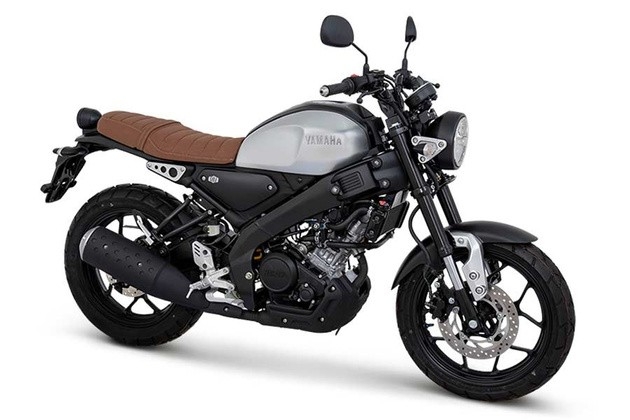
The Yamaha XSR 155 uses a classic-inspired round LED headlamp, compact fuel tank treatment, tuck-and-roll style seat and a simple round digital instrument display. The design intentionally references older Yamaha motorcycles without becoming a direct replica of one specific model.

That matters because many retro motorcycles rely heavily on appearance while using relatively modest mechanical packages. The XSR takes a different approach. Beneath its retro bodywork is a Deltabox frame, modern suspension, 17-inch alloy wheels and a liquid-cooled 155cc engine with Variable Valve Actuation. The visual language may be old-school, but the core engineering is contemporary.
For buyers who like classic proportions but do not want to give up the sharper performance associated with modern 150–160cc motorcycles, this combination is the XSR’s strongest argument.
The 155cc VVA Engine Gives It Genuine Performance Credibility
Yamaha’s official India specification lists a 155cc, liquid-cooled, four-stroke, SOHC four-valve engine producing 18.4 PS at 10,000 rpm and 14.2 Nm at 7,500 rpm. It uses fuel injection, Variable Valve Actuation and a six-speed transmission.
Those figures place the XSR 155 well above basic commuter motorcycles in specific output. The engine is designed to retain useful response at lower speeds while continuing to pull as revs rise. VVA helps broaden the usable power band, which is valuable when the same motorcycle has to negotiate urban traffic and open-road riding.
The six-speed gearbox also gives the rider more flexibility than the five-speed transmissions found on many everyday commuters. Lower gears can be used for acceleration, while the additional ratio helps the engine settle at cruising speeds.
Traction Control Adds a Modern Safety Layer
One of the notable India-spec features is traction control. The system is designed to reduce excessive rear-wheel spin when grip is limited, such as on wet or loose surfaces. Traction control is not a substitute for appropriate tyres or careful riding, but its presence adds electronic support that is still uncommon on many motorcycles in this displacement class.
Yamaha also lists smartphone connectivity through Y-Connect, a digital speedometer and tachometer, an LED headlamp and LED tail lamp. The equipment reinforces the idea that the XSR is not a basic motorcycle wearing retro bodywork.
The Chassis Should Appeal to Riders Who Value Agility
The Deltabox frame has long been associated with Yamaha’s performance-oriented small motorcycles. In the XSR 155, it provides a rigid central structure intended to support precise handling. The motorcycle’s 17-inch wheels and road-biased dimensions make it naturally suited to urban riding and winding roads rather than off-road use.
An upright handlebar and relatively neutral rider triangle distinguish the XSR from fully faired sport motorcycles. Riders can access strong 155cc performance without adopting an aggressive crouch. This may broaden its appeal to commuters who want performance but spend significant time in traffic.
Yamaha XSR 155 Versus Yamaha FZS Hybrid
The Yamaha FZS Hybrid serves a very different brief. It uses a 149cc air-cooled, two-valve engine producing 12.4 PS and 13.3 Nm. Its Smart Motor Generator system supports features such as power assist and stop-start functionality, with the goal of improving smoothness and efficiency in everyday riding.
| Feature | Yamaha XSR 155 | Yamaha FZS Hybrid |
| Engine | 155cc liquid-cooled, 4-valve | 149cc air-cooled, 2-valve |
| Peak power | 18.4 PS | 12.4 PS |
| Peak torque | 14.2 Nm | 13.3 Nm |
| Transmission | 6-speed | 5-speed |
| Key technology | VVA, traction control, Y-Connect | SMG assist, stop-start, TFT connectivity |
| Primary character | Retro sport | Efficient urban street bike |
The comparison shows that the XSR is the stronger choice for riders who prioritise engine performance and premium chassis feel. The FZS Hybrid is likely to be more appealing to buyers focused on commuting efficiency, simplicity and urban convenience.
The XSR 155 Has Strong Customisation Potential
Neo-retro motorcycles often attract owners who want to personalise their machines. Yamaha’s India material highlights accessory options such as a fly screen, headlight cowl, number-plate-related components, seat alternatives and other styling parts. The clean base design makes the motorcycle suitable for café-inspired or scrambler-inspired visual changes without requiring major modification.
This gives the XSR additional appeal as a lifestyle motorcycle. Buyers are not restricted to the factory appearance and can shape the bike around their preferred visual theme while retaining the standard chassis and engine package.
What Buyers Should Verify Before Booking
Yamaha’s e-shop currently shows the XSR 155 with a ₹2,000 booking amount, but city-level availability can vary. The page itself notes that delivery depends on stock availability and dealership selection. Buyers should therefore confirm the actual ex-showroom price, on-road cost, colour availability and delivery timeline with an authorised dealer before treating an online listing as a final quotation.
This is especially important for a newer addition to the Indian line-up. Early availability can differ between cities, and insurance or registration charges may change the final on-road figure substantially.
Who Should Consider the XSR 155?
The motorcycle suits riders who want three things together: a retro design, modern performance and manageable displacement. It can serve as a daily urban bike, but its appeal extends beyond commuting because the engine and chassis encourage spirited weekend riding.
It is less likely to suit buyers whose first priority is maximum mileage or the lowest possible maintenance cost. An air-cooled commuter-oriented motorcycle will generally be simpler and less performance-focused. The XSR instead targets riders willing to pay for stronger output, a six-speed gearbox, liquid cooling and premium equipment.
Why the XSR 155 Was Worth the Wait
For Indian riders who had followed the motorcycle for years, the XSR 155’s official appearance in Yamaha India’s current range answers the biggest earlier uncertainty. The product now has a defined India specification rather than depending on international-market assumptions.
Its value comes from a combination that remains relatively rare: classic styling without deliberately old-fashioned performance. The 18.4 PS VVA engine, six-speed transmission, traction control, Deltabox frame and modern connectivity give it mechanical depth, while the round lamp and minimalist bodywork keep the visual character distinctive. Compared with the Yamaha FZS Hybrid, it is a more performance-oriented and expressive choice. For riders who had been waiting for a small-capacity neo-retro Yamaha with serious engineering underneath, the important question in 2026 is no longer whether it will arrive, but whether its pricing and local availability fit their budget.