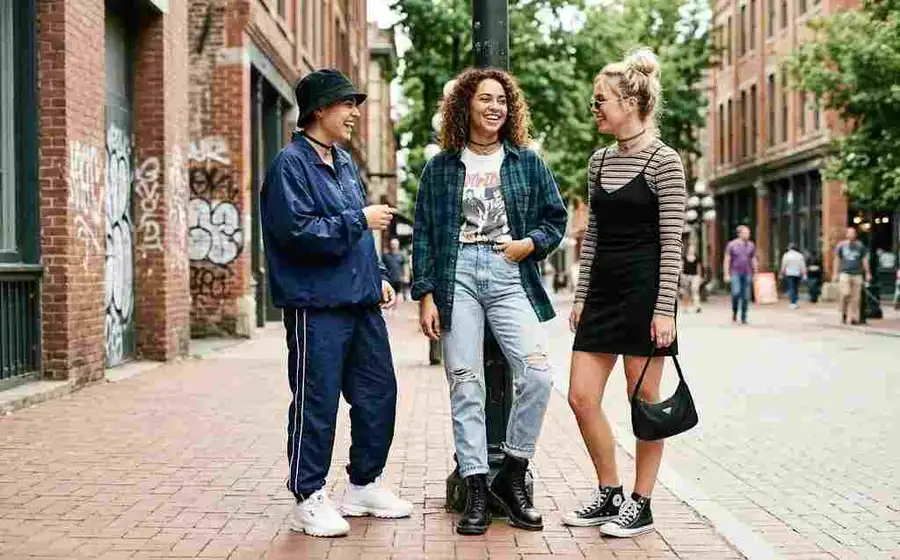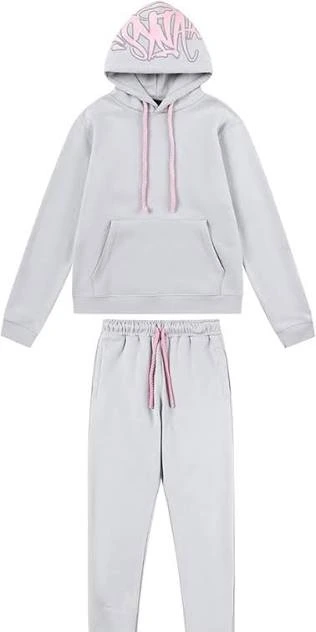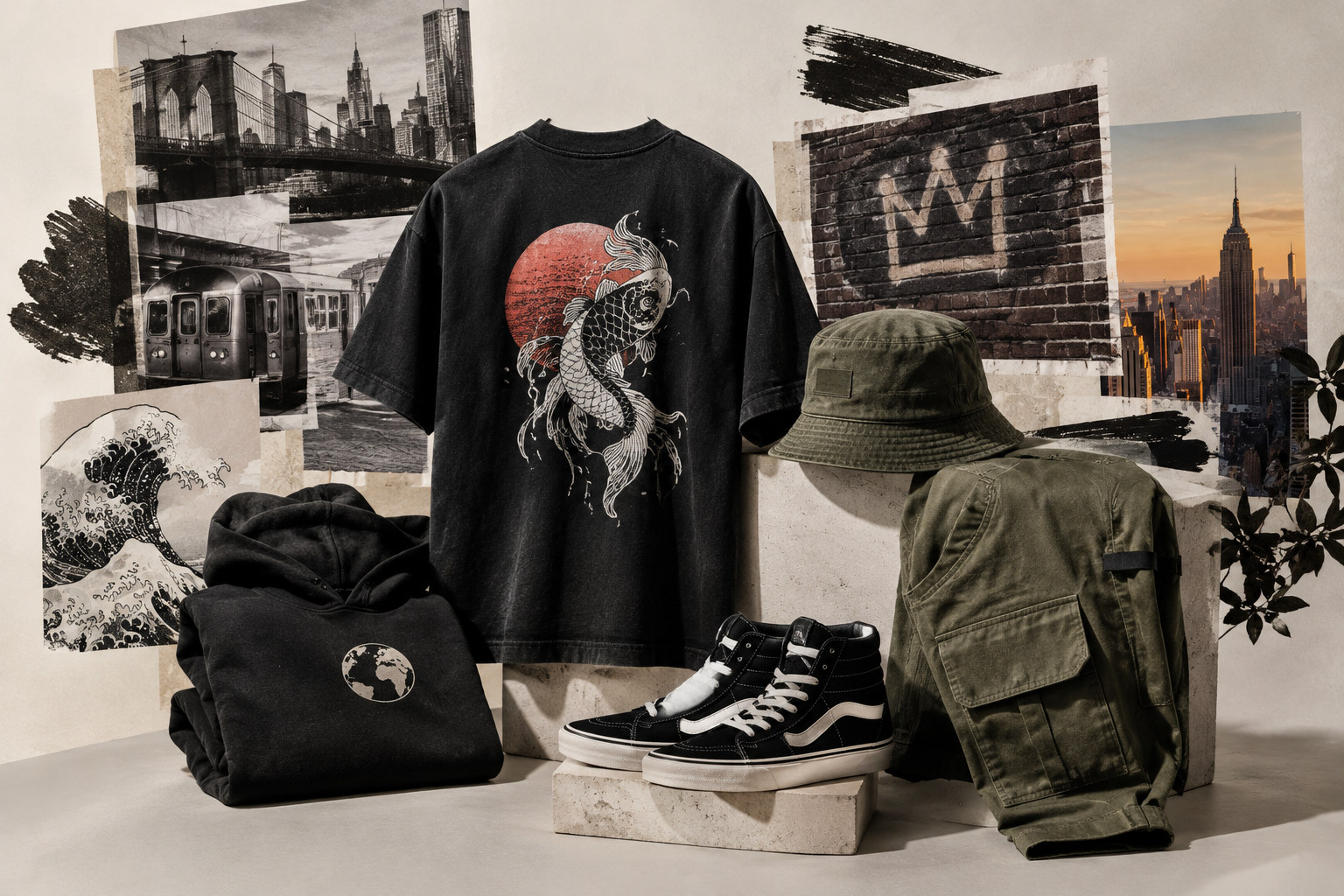
Streetwear brands now lead with cultural stories because product quality has become similar across the market, and shoppers use clothing to signal identity and belonging. A clear origin, a named community, or a credited collaborator gives a brand something a competitor cannot copy.
What Is Streetwear, and Where Did It Come From?
Streetwear is casual clothing that grew out of skate, surf, punk, and hip-hop subcultures. Its main features are relaxed silhouettes, graphic-led design, and limited releases.
The category started in communities, not in fashion houses. Stüssy grew out of the Southern California surf scene in the early 1980s. Supreme opened in 1994 as a skate shop in downtown New York. Harajuku in Tokyo developed its own street style in parallel. In each case, the clothes marked who belonged to the scene.
Academic researchers have documented this link. In 2006, Cornell’s Costume and Textile Collection opened an exhibit on street fashion and youth subculture, based on a three-year ethnographic study of street style in Ithaca. Its curator described street style as individualized fashion created by the wearer and tied to the subculture they identify with.
Why Product Alone Is No Longer Enough
Heavyweight cotton, oversized fits, and graphic prints are now common. A good tee is the minimum, not a point of difference. Three factors push brands toward storytelling:
- Similar products. Many brands use comparable fabric weights, cuts, and print methods.
- Identity-driven buying. Shoppers choose clothing partly for what it says about them.
- Social sharing. A garment with a traceable origin gives people something to talk about, not just a photo to post.
| Factor | Product-led brand | Story-led brand |
|---|---|---|
| Main reason to buy | Fit, price, trend | Meaning, origin, community |
| What shoppers compare | Specs and price | Values and point of view |
| What gets shared | The item | The item and its context |
| Why people return | New styles | Connection to the brand |
Story-led does not replace product quality. It sits on top of it.
How Streetwear Brands Build Cultural Stories
Heritage and language
Many founders build around their own background, such as a language, a family name, or a neighborhood. JŪN, a New York label, takes its name from the Chinese character 君 (jūn), connected to the founders’ family. The name sets the design direction before any product detail is read.
Artist collaborations
Working with illustrators, photographers, and designers brings outside perspectives into a collection. Collaborations also span the industry. The 2017 Louis Vuitton and Supreme collection showed how far street labels had moved into luxury fashion.
Place and local scenes
A city shapes how its residents dress. New York, Tokyo, and London each have a recognizable street style. Brands that reference their home scene give shoppers a sense of a specific place.

Limited releases
Small production runs turn a purchase into a dated event. The release becomes part of the brand’s history, not just inventory.
Transparent product details
A story holds up when the product backs it. Some brands state fabric weight directly in product names. JŪN, for example, lists 260gsm on its Gameboy tee. Specific details like this let shoppers check that quality matches the message.
Story vs. Marketing Copy: How to Tell the Difference
A real cultural story usually has these traits:
- Specific. It names people, places, or languages instead of using vague phrases like “inspired by the streets.”
- Traceable. The founders or collaborators can be identified.
- Consistent. The name, graphics, and release style all point to the same idea.
- Credited. Collaborators are named, and any borrowed cultural reference has a real connection behind it.
- Backed by the product. Fabric, construction, and fit match the claims.
How to Evaluate a Streetwear Brand’s Story
- Read the About page and look for who, where, and why.
- Check whether the designs connect to that story.
- Compare product details such as GSM, fit, and construction against the claims.
- Look at who the brand collaborates with and whether it makes sense.
FAQ
What is streetwear culture?
Streetwear culture is the set of values, music, art, and style that came from skate, surf, punk, and hip-hop communities. It values self-expression, community, and independence from mainstream fashion.
Why do streetwear brands collaborate with artists?
Collaborations add a new creative voice, give each release a distinct identity, and connect the brand to the artist’s audience.
What does GSM mean on a streetwear tee?
GSM means grams per square meter, a measure of fabric weight. Heavyweight streetwear tees commonly start around 200 GSM, while lightweight basics are often lower.
Why are limited drops common in streetwear?
Small runs tie a product to a specific moment, which adds collectible value and keeps each release distinct.
How can I tell if a brand’s story is authentic?
Look for named founders, specific cultural references, credited collaborators, and product details that match the story.
Conclusion
Streetwear started as a way for communities to show where they came from. Brands that tell cultural stories are returning to that idea, and the strongest ones keep the story specific, consistent, and supported by the product.