Herbs have been part of human life for centuries, valued for their distinctive aromas, flavors, and traditional uses. Long before modern products filled kitchen shelves and bathroom cabinets, people relied on leaves, roots, seeds, flowers, and natural extracts as part of their daily routines.
Today, interest in herbal ingredients continues to grow. Many people are becoming more interested in understanding what goes into the products they use and are looking for simple ways to include plant-based ingredients in their lifestyles.
What Makes Herbal Ingredients Special?
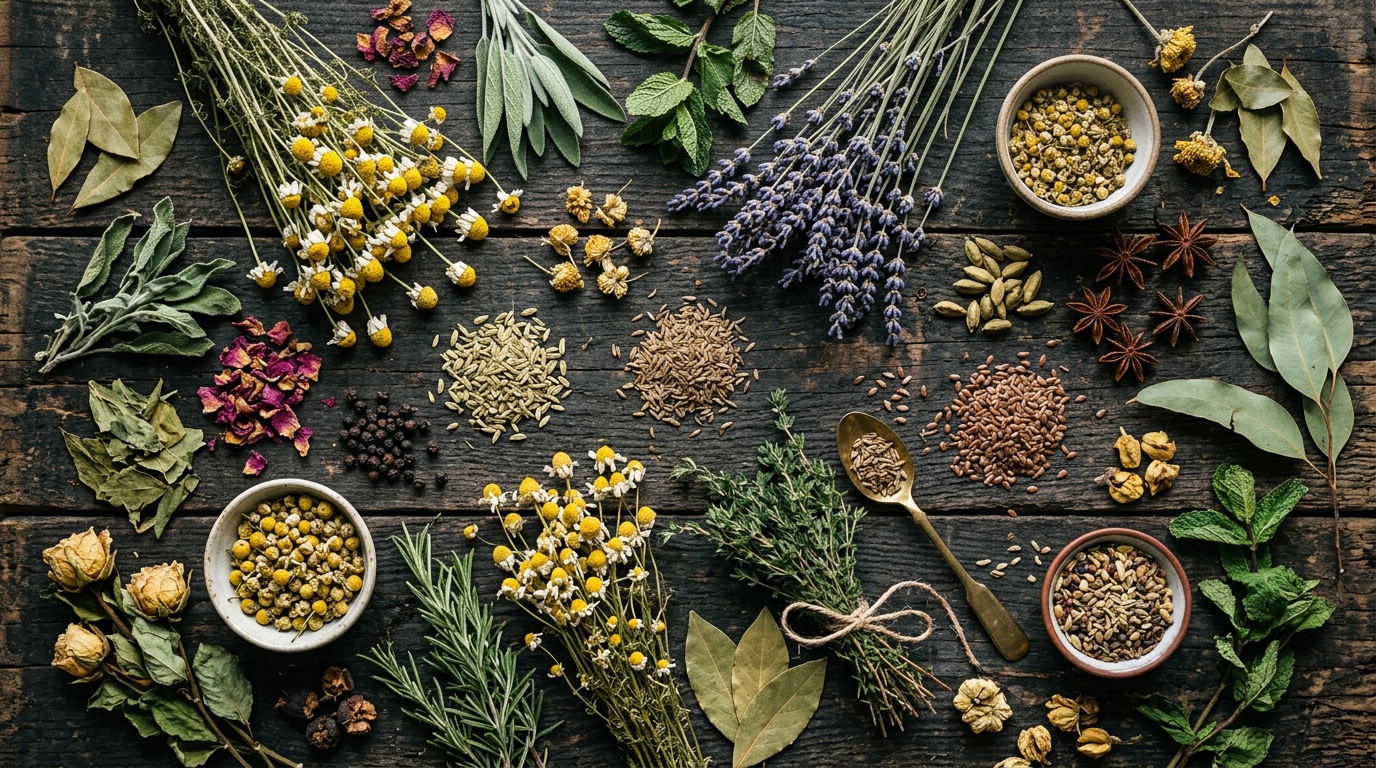
Herbal ingredients come from different parts of plants, and each plant has its own characteristics. Leaves may provide fresh aromas, roots can contain naturally occurring compounds, while seeds and flowers are often appreciated for their fragrance and traditional applications.
The appeal of herbs is not limited to one category. They can be used in food preparation, personal care, traditional practices, fragrances, and household routines. Their versatility is one reason they have remained relevant across generations.

Herbs in Traditional Practices
Different cultures have developed their own traditions around herbs. Knowledge about plants was often passed from one generation to another, with families learning how particular herbs were prepared and incorporated into everyday routines.
This traditional knowledge remains an important part of herbal culture today. However, traditional use should not automatically be considered medical evidence. The properties and appropriate uses of individual herbs can vary considerably, making responsible selection and proper information important.
Growing Interest in Natural Ingredients
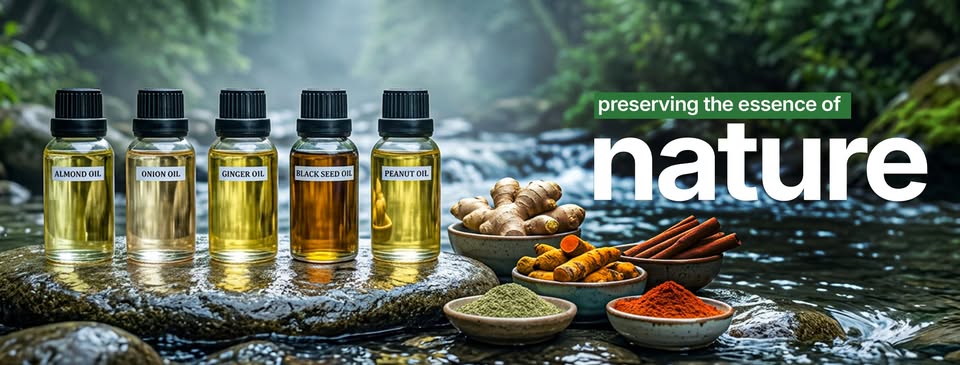
Modern consumers are increasingly curious about ingredients rather than simply the finished product. This has encouraged greater attention toward botanical extracts, dried herbs, essential oils, and other plant-derived materials.
The interest is partly connected to a desire for straightforward ingredients and a closer connection with nature. At the same time, natural does not always mean risk-free. Herbals materials can interact with medications, cause sensitivities, or be unsuitable for certain individuals.
For this reason, quality, correct identification, proper storage, and appropriate usage matter.

Choosing Herbal Products Carefully
When selecting an herbal ingredient, appearance alone should not be the only consideration. The source, processing method, packaging, storage conditions, and labeling can all influence the overall quality of the material.
Freshness is also important for many herbs. Exposure to moisture, heat, sunlight, or air can affect their aroma and characteristics over time. Properly sealed packaging and suitable storage can help maintain their condition.
Consumers should also avoid assuming that a product is suitable simply because it is labeled herbal. Checking the ingredient information and following recommended directions is a sensible approach.
Herbs Beyond the Kitchen
Herbs are commonly associated with cooking, but their uses extend much further. Certain botanicals are valued for their natural fragrance and are incorporated into personal-care preparations, aromatic products, and traditional household practices.
This broader use has helped create renewed interest in individual plants and their unique characteristics. From familiar culinary herbs to less common botanicals, each plant offers a different combination of aroma, texture, appearance, and naturally occurring compounds.
A Balanced Approach to Herbal Living
Herbal ingredients can be an interesting part of an everyday lifestyle when used thoughtfully. Rather than treating herbs as a solution for every problem, it is better to understand their traditional roles, practical applications, and limitations.
Good herbal practices begin with reliable information. Identifying the correct plant, using appropriate quantities, storing materials properly, and understanding potential sensitivities can make the experience safer and more enjoyable.
Final Thoughts
Herbs represent a connection between nature, tradition, and modern everyday life. Their long history and wide range of applications continue to inspire curiosity among people interested in plant-based ingredients.
Whether used for culinary purposes, natural aromas, personal-care preparations, or traditional routines, herbs offer remarkable variety. The key is to approach them with knowledge, care, and realistic expectations rather than relying on exaggerated claims.