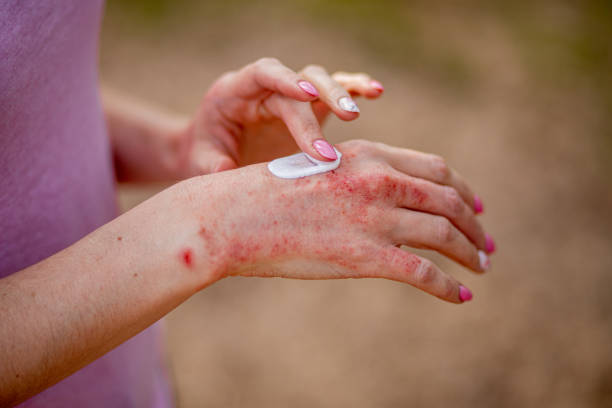
Yes, you can use eczema cream on your face — but not all formulas are safe for facial skin. The face is significantly more sensitive than other body areas, absorbs ingredients faster, and is more prone to reactions. Choosing the wrong product can worsen inflammation or trigger new flare-ups. Always opt for fragrance-free, dermatologically tested formulas designed for sensitive facial skin.
If you are dealing with redness, dryness, or persistent irritation on your face, finding the right eczema cream in Singapore can make a real difference. But before you apply anything, it helps to understand why facial eczema behaves differently — and what to look for in a product that actually helps.
Why Facial Skin Needs a Different Approach
The skin on your face is thinner than the skin on your arms, legs, or torso. It has a higher density of pores and sebaceous glands, which means it absorbs topical products more quickly and more deeply. This increases the risk of irritation from certain preservatives, fragrances, or active ingredients that might be well-tolerated elsewhere on the body.

Facial skin also experiences constant environmental exposure — sun, wind, pollution, temperature changes — all of which can weaken the skin barrier further. For someone already managing eczema, this combination makes the face one of the most challenging areas to treat.
What Makes an Eczema Cream Safe for Facial Use?
Not every eczema cream is formulated with facial application in mind. Here is what to check before applying anything to your face:
- Fragrance-free: Fragrance is one of the most common contact allergens. Even natural-sounding botanical fragrances can trigger reactions on sensitive facial skin.
- Steroid-free options: Long-term use of topical corticosteroids on the face can cause skin thinning, perioral dermatitis, or rosacea-like flares. Non-steroidal alternatives are often recommended for the face.
- Lightweight texture: Heavy, occlusive creams designed for the body can clog pores on the face and worsen conditions like acne or milia alongside eczema.
- Hypoallergenic, dermatologically tested formulas: Look for products tested on sensitive or eczema-prone skin, not just general skin types.
- pH-balanced: The skin’s natural pH is slightly acidic. Products that disrupt this can impair the barrier and trigger inflammation.
Eczema Around the Eyes: Extra Caution Required
Eczema around the eyes is one of the more uncomfortable presentations of facial eczema. The eyelid skin is among the thinnest on the entire body — roughly 0.5mm thick — which makes it highly reactive. Even products labelled “gentle” or “natural” can cause stinging, puffiness, or allergic contact dermatitis in this area.
If you experience eczema around your eyes, avoid applying any cream directly to the eyelids unless it has been specifically cleared for periocular use. Instead, apply the product to the orbital bone area and let it migrate gently. Also avoid rubbing the eye area, which can break down the skin barrier further and worsen the cycle of itch and inflammation.
Signs That a Product Is Aggravating Your Facial Eczema
Watch out for these reactions within 24–48 hours of applying a new cream to your face:
- Increased redness or warmth
- Stinging or burning that doesn’t subside
- New itching not present before application
- Swelling, especially around the eyes or cheeks
- Small bumps or pustules forming
If any of these occur, discontinue use immediately and consult a dermatologist. A reaction does not mean all eczema creams are off-limits — it means that specific formula is not right for your skin.
Can You Use Sunblock for Sensitive Skin Over an Eczema Cream?
Yes — and you should. Sun exposure can trigger or worsen eczema flare-ups, and UV damage compromises an already fragile skin barrier. Using a sunblock for sensitive skin over your moisturising eczema cream is an important step in your daily routine, especially in Singapore’s year-round UV environment.
Choose mineral-based sunscreens (zinc oxide or titanium dioxide) rather than chemical filters, which are more likely to irritate sensitive facial skin. Apply your eczema cream first and allow it to absorb for at least five minutes before layering sunscreen on top. Avoid sunscreens with added fragrances, alcohol, or octocrylene if your skin is reactive.
Building a Safe Routine for Sensitive Facial Skin
Managing facial eczema is less about finding a single miracle product and more about maintaining a consistent, minimal routine that supports the skin barrier over time. Here is a straightforward approach:
- Cleanse gently: Use a soap-free, fragrance-free cleanser with lukewarm water. Hot water strips the skin barrier.
- Pat dry: Never rub. Pat gently with a soft towel and leave skin slightly damp before moisturising.
- Apply facial eczema cream: Use your chosen eczema moisturiser while the skin is still slightly moist to lock in hydration.
- Layer sunscreen (daytime): Apply mineral sunscreen over the cream. Do not skip this step — UV exposure is a documented trigger for eczema flares.
- Avoid overwashing: Washing more than twice daily can strip natural oils and worsen dryness on sensitive facial skin.
What Ingredients Actually Help Facial Eczema?
Some ingredients are particularly well-suited for managing eczema on the face:
| Ingredient | Why It Helps | Caution |
|---|---|---|
| Ceramides | Restores the skin’s lipid barrier | Generally well-tolerated |
| Colloidal oatmeal | Anti-inflammatory, soothes itching | Avoid if oat-allergic |
| Niacinamide | Reduces redness, strengthens barrier | Start at low concentrations |
| Aloe vera | Calms irritation, lightweight hydration | Some experience sensitivity |
| Glycerin | Humectant, draws moisture into skin | Generally very safe for facial use |
Avoid ingredients like sodium lauryl sulphate, artificial dyes, strong essential oils (including peppermint, eucalyptus, and lavender in high concentrations), and alcohol-based toners, which are common triggers for facial flares.
When to See a Dermatologist
Facial eczema that does not respond to over-the-counter moisturisers within two to four weeks deserves professional attention. A dermatologist can distinguish between atopic dermatitis, seborrhoeic dermatitis, contact dermatitis, and rosacea — conditions that can look similar but require different treatments. In Singapore, dermatological consultations are available at public restructured hospitals, polyclinics, and private skin clinics island-wide.
Prescription options such as topical calcineurin inhibitors (tacrolimus or pimecrolimus) are often preferred for the face over corticosteroids because they do not carry the same risk of skin thinning.
Choosing the Right Product for Your Face
When evaluating any facial eczema cream, test it first on a small patch of skin on your inner arm for two to three days before applying it to your face. This simple step can save you from a painful reaction on far more visible and sensitive skin.
For those looking for gentle, plant-based formulations developed with skin sensitivity in mind, Dr. Hauschka offers a range of skincare options designed to support the skin’s natural balance — a considered choice for adults managing eczema-prone or reactive facial skin.
Frequently Asked Questions
Can I use body eczema cream on my face?
Not always. Body eczema creams are often thicker and may contain ingredients that are too heavy or irritating for the face. Always check that the product is suitable for facial use and has been tested on sensitive skin before applying it to your face.
Is it safe to use eczema cream around the eyes?
The eyelid skin is extremely thin and reactive. Only use products specifically cleared for periocular use around the eyes. If unsure, consult a dermatologist before applying any cream to the eyelid area to avoid triggering a reaction.
How often should I apply facial eczema cream?
Most dermatologists recommend applying a fragrance-free moisturiser at least twice daily — morning and night. Apply it while the skin is still slightly damp after cleansing to seal in moisture and support the skin barrier throughout the day.
Can I wear sunscreen if I have facial eczema?
Yes, and it is strongly recommended. UV exposure can worsen eczema flares. Use a mineral-based sunblock for sensitive skin with zinc oxide or titanium dioxide, applied over your eczema cream. Avoid sunscreens with fragrances or chemical UV filters that can irritate reactive skin.
What triggers facial eczema flare-ups in Singapore’s climate?
Singapore’s heat and humidity can increase sweating, which irritates eczema-prone skin. Air-conditioned environments can cause dryness that weakens the skin barrier. Common triggers include sweat, dust mites, certain skincare ingredients, stress, and sudden temperature changes between indoor and outdoor environments.
Are natural or organic eczema creams better for sensitive facial skin?
Not necessarily. Natural does not always mean hypoallergenic. Some botanical extracts and essential oils are among the most common contact allergens. What matters most is whether the formula is fragrance-free, dermatologically tested, and formulated specifically for eczema-prone or sensitive facial skin.