Small dents and dings can make a vehicle look older than it really is. Whether a shopping cart hits the door, a minor parking accident leaves a dent, or hail causes several shallow marks, repairing the damage quickly can help maintain your vehicle’s appearance and value. Fortunately, not every dent requires traditional bodywork or expensive repainting.
Mobile Paintless Dent Repair offers a practical solution for many minor dents. Instead of taking your vehicle to a traditional repair shop, a trained technician can often come to your home, workplace, or another convenient location. The repair process focuses on carefully restoring the damaged metal while preserving the vehicle’s original paint.
For busy vehicle owners, this approach can save time and reduce the inconvenience associated with conventional repairs. Understanding how the process works, what types of damage it can handle, and when it may be appropriate can help you make a more informed repair decision.

What Is Mobile Paintless Dent Repair?
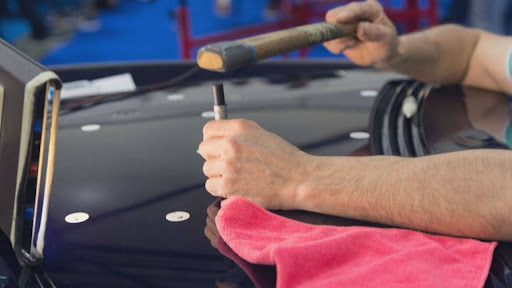
Mobile Paintless Dent Repair, commonly called PDR, is a specialized technique used to remove certain dents without sanding, filling, or repainting the damaged area. A qualified technician uses specialized tools to access the back of the panel and gradually massage the metal back into its original position.
The “mobile” aspect means the technician travels to the customer rather than requiring the vehicle to be transported to a repair facility. Depending on the location and severity of the damage, repairs may be completed at a home, office, parking area, or other suitable location.
One of the biggest advantages of this method is that it can preserve the vehicle’s factory paint. Original paint is often preferable to a new paint layer because it maintains the vehicle’s existing finish and can help avoid visible color differences.
How Does the PDR Process Work?
Inspecting the Damage
The first step is a detailed inspection. The technician examines the dent’s size, depth, location, and access points. Lighting and reflection techniques can make small imperfections easier to identify.
Next, the technician determines whether the damage is suitable for paintless repair. A dent that has stretched the metal severely or damaged the paint may require a different repair method.
Carefully Reshaping the Panel
Once the repair approach is established, specialized tools are positioned behind or around the damaged panel. The technician applies controlled pressure to gradually move the metal back toward its original shape.
This process requires patience and precision. Applying too much pressure too quickly can create additional imperfections, so experienced technicians generally work in small stages.
Checking the Final Finish
After the dent has been corrected, the panel is inspected from different angles to ensure the surface is smooth and consistent. The goal is not simply to make the dent less noticeable but to restore the panel as closely as possible to its original appearance.
What Types of Dents Can PDR Repair?
Paintless dent repair works particularly well for certain types of minor vehicle damage. Small door dings, shallow dents, minor creases, and many hail-related dents may be suitable for PDR when the paint remains intact.
For example, imagine a vehicle receiving several shallow dents during a hailstorm. If the factory paint has not cracked or peeled, a technician may be able to carefully reshape the affected panels without repainting them.
However, not every dent qualifies. Deep damage, sharp creases, severely stretched metal, or areas with broken paint can make PDR more difficult or unsuitable. The location of the dent also matters because technicians need appropriate access to the damaged area.
A professional inspection is therefore important before deciding on a repair method.
Why Choose Mobile Paintless Dent Repair?
Convenience is one of the strongest reasons vehicle owners choose a mobile service. Instead of arranging transportation to a body shop and waiting for the vehicle to be repaired, customers may be able to have the technician perform the work at a convenient location.
Another benefit is the potential preservation of factory paint. Since PDR generally does not involve repainting, there may be less concern about paint matching or blending.
The repair can also be less invasive than conventional bodywork for suitable dents. There is typically no need for extensive sanding, body filler, or repainting when the original paint and metal are suitable for the technique.
For busy professionals, families, and vehicle owners dealing with minor damage, having a technician come to them can make the repair experience considerably simpler.
How Much Does Paintless Dent Repair Cost?
Factors That Affect the Price
The cost of paintless dent repair varies depending on several factors. Dent size is important, but it is not the only consideration. Technicians also evaluate the dent’s depth, location, number of dents, accessibility, and the type of vehicle panel involved.
A small dent on an easily accessible door may require considerably less work than a similar-sized dent located near a structural edge or behind a difficult-to-access area.
The number of dents also affects the total cost. For example, a vehicle with multiple hail dents may require a broader repair assessment rather than a simple single-dent price.
Instead of choosing a repair service based only on the lowest advertised price, vehicle owners should consider the technician’s experience, repair process, and ability to properly assess the damage.
When Should You Consider Mobile Dent Repair?
It is generally worth considering paintless dent repair when the vehicle has minor cosmetic damage and the original paint remains intact. Addressing dents sooner can also prevent them from becoming a larger cosmetic concern.
Mobile service can be particularly useful when the vehicle is still safe to drive but has visible damage that affects its appearance. For example, a driver who notices a parking-lot dent before an important event may prefer having a technician visit their home or workplace.
It is also useful for people preparing to sell or return a vehicle. Removing minor dents can improve the overall appearance and may help present the vehicle in better condition.
However, structural damage or serious collision damage should be assessed by an appropriate automotive repair professional rather than assuming PDR is sufficient.
Tips for Choosing a PDR Technician
Choosing the right technician can make a significant difference in the quality of the repair. Start by looking for a professional with relevant experience and a history of working on similar types of dents.
Ask how the technician evaluates damage and whether they will inspect the vehicle before providing a final recommendation. A trustworthy professional should be willing to explain whether PDR is appropriate rather than promising that every dent can be repaired using the same method.
It is also useful to review examples of previous work when available. Before-and-after photos can provide insight into the technician’s attention to detail.
Finally, ask about the estimated repair time, service area, and what happens if the damage turns out to be more extensive than initially expected. Clear communication can prevent misunderstandings and help you choose a service that fits your needs.
Conclusion
Vehicle dents and dings do not always require extensive bodywork or repainting. Mobile Paintless Dent Repair provides a convenient option for many minor dents while allowing technicians to preserve the vehicle’s original paint and appearance.
The technique is particularly useful for shallow dents, door dings, and certain hail-related damage where the paint remains intact. Its mobile nature also makes the process more convenient for vehicle owners who prefer not to spend hours arranging transportation to a repair facility.
Before scheduling a repair, have the damage professionally assessed. The right technician can determine whether PDR is suitable and explain the expected repair process. With proper evaluation and skilled workmanship, minor dents can often be corrected efficiently while maintaining the vehicle’s original finish.
Frequently Asked Questions
1. What is Mobile Paintless Dent Repair?
Mobile Paintless Dent Repair is a dent-removal service where a technician travels to the customer’s location and repairs suitable dents without conventional sanding, filling, or repainting.
2. Can PDR remove hail dents?
Yes, many shallow hail dents can be repaired using PDR when the original paint remains intact and the metal has not been excessively stretched or damaged.
3. Does paintless dent repair damage the original paint?
When performed correctly on suitable damage, PDR is designed to preserve the vehicle’s original factory paint rather than replacing it with new paint.
4. How long does a mobile dent repair take?
Repair time depends on the dent’s size, location, severity, and the number of affected areas. Small dents may require considerably less time than extensive hail damage.
5. Is every dent suitable for paintless dent repair?
No. Deep dents, severely stretched metal, broken paint, and certain panel locations may require conventional repair methods. A professional inspection can determine the most appropriate approach.