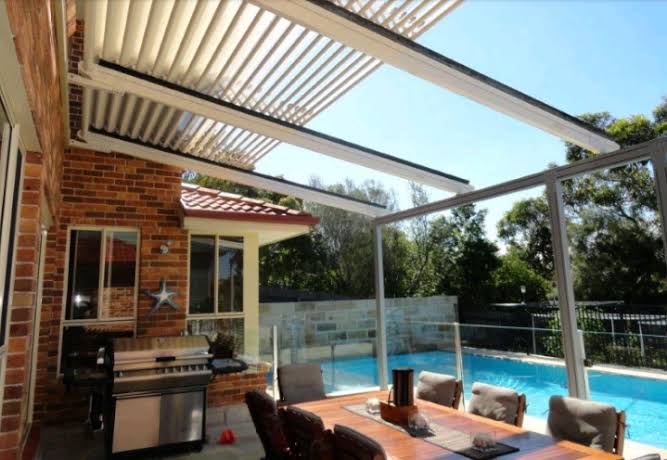
When planning a patio upgrade, understanding the costs involved is essential for setting a realistic budget. Homeowners researching louvre roof cost in Australia may find considerable differences between supplier quotes. These variations depend on roof dimensions, materials, installation requirements and optional features. A larger roof with motorised controls and custom finishes will generally cost more than a simpler design. Site conditions and local building approvals can also influence the final expense. Understanding these factors helps homeowners compare quotations, plan budgets, and make informed decisions before installation.
Why One Price Never Fits Every Patio
Most louvre roofs are built for one specific site. The supplier measures your area, checks the structure and designs the system around both. Two patios that look alike on paper can need very different work. Some suppliers quote by the square metre, but that rate only makes sense once the site details are known. Published price guides also differ because suppliers use different materials and inclusions. A fair price starts with the facts about your space, and space size is the first factor to consider.
How Size and Layout Shape the Total
Bigger roofs need more aluminium, more labour and more installation time. Total cost rises with area, but larger roofs often cost less per square metre than small ones. Longer blade spans also need stronger frames and beams, which raises the cost. Layout matters just as much as size:
- Simple rectangular roofs cost less than irregular or multi-bay designs
- A roof attached to the house needs different fixings from a freestanding one
- The number of posts, beams and gutters affects how much material you need
- Custom shapes take more design and fabrication time
Once you plan the frame, the next question is how the roof will operate.
What Motors and Sensors Add
Automation can add more to the price than many buyers expect. A manual roof usually costs less than a motorised one, and each extra feature adds to the total:
- Motorised blades with a remote control
- Rain sensors that close the roof automatically
- Integrated drainage and gutters
- Lighting, fans and heaters
- Smart home or app controls
- Electrical work to connect the motor and extras
A quick comparison makes these factors easier to weigh.
Louvre Roof Cost Factors at a Glance
This table shows how each factor affects the final price.

| Factor | What Changes | Effect on Price |
| Size | Roof area and span | Larger roofs cost more overall |
| Layout | Shape, bays and attachment | Complex layouts cost more |
| Operation | Manual or motorised | Motorised costs more |
| Features | Sensors, lighting and drainage | Each extra adds cost |
| Materials | Blade and frame quality | Higher grades cost more |
| Site | Access, footings and power | Difficult sites cost more |
Materials deserve a closer look, because they decide how long the roof performs.
Why Blade Quality Changes the Price
Not all aluminium louvres are built to the same standard. Look closely at what sits behind the price:
- Blade thickness and profile affect strength and wind performance
- Frame size and post gauge decide how well the structure carries its load
- Quality joints and seals help keep water out when the roof closes
- Powder-coated finishes protect against weather and fading
- Aluminium resists corrosion, which matters near the coast
Better materials cost more upfront, but they often last longer and need fewer repairs.
Site Work, Approvals and Installation
The site itself can add cost. Sloping ground, tight access and new footings all add labour. Removing an old patio roof or levelling the ground adds more. Good access lets installers work faster, which keeps labour costs down. Electrical work for the motor is a separate cost in many projects. Approval rules vary by state and council, so ask your local council early. Fees and paperwork can add time and money to the project. Knowing these costs upfront avoids surprises when the quote arrives.
How to Compare Quotes Fairly
Two quotes for the same area can differ for good reasons. Ask each supplier to list what the price includes:
- Blade and frame materials, with the finish named
- Motor, remote and any sensors
- Footings, drainage and electrical work
- Council paperwork and installation
- Warranty terms and after-sales support
- Timeframes for fabrication and installation
An itemised quote shows where your money goes and flags gaps before you sign.
Conclusion
Searching louvre roof cost Australia gives you ranges, but only a site quote gives you a real number. Weigh size, features, site work and materials together, and use those factors as your checklist when new quotes arrive. Suppliers such as Louvre House design and install adjustable aluminium roofs in Victoria and South Australia. Well-made aluminium louvres cost more at the start, yet they often hold up for many years.