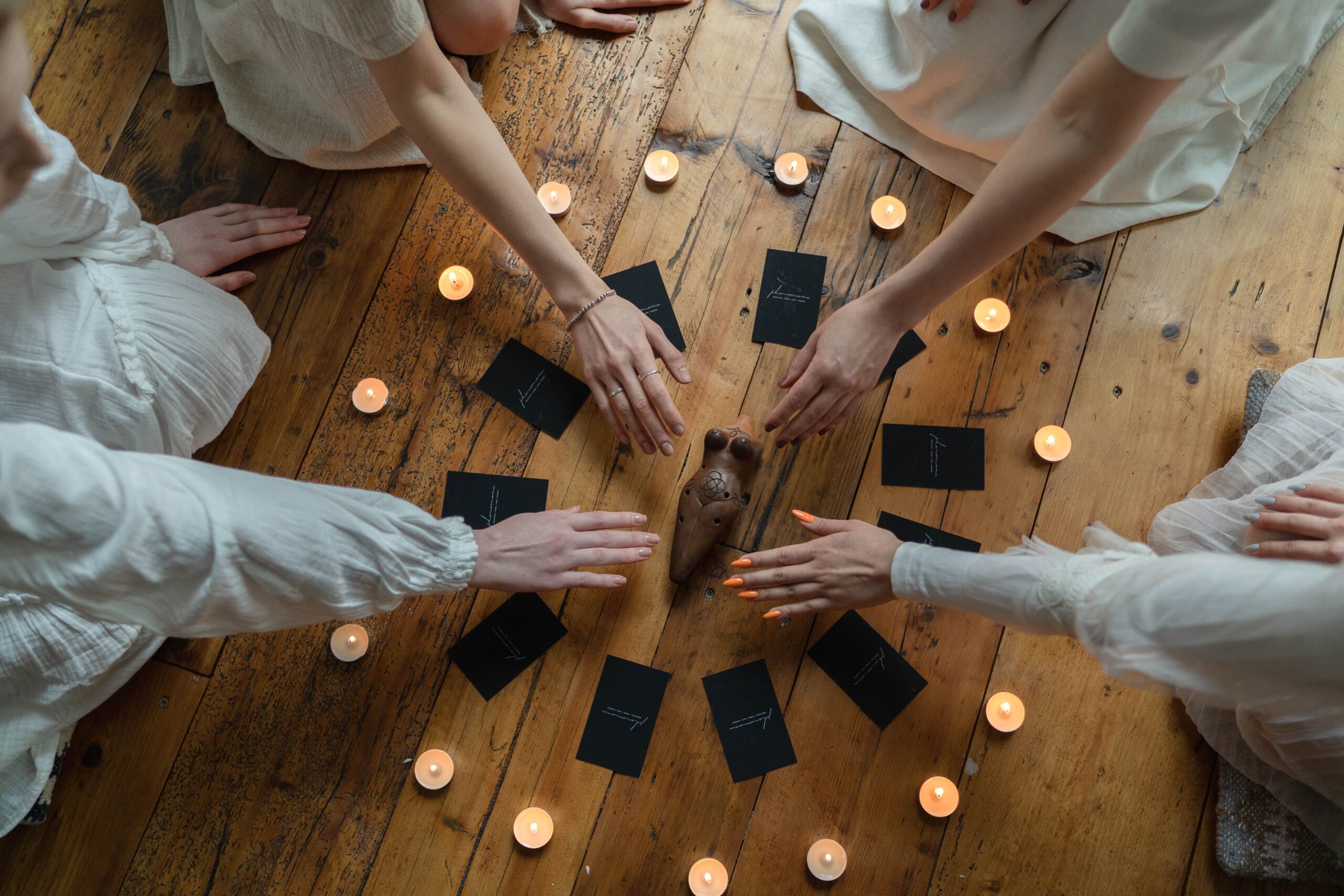
Fear is usually something people avoid. In fiction, however, it becomes something readers seek out. Author Johnathan P. Blackwell understands this contradiction well. His dark fantasy and supernatural stories invite readers into shadowed places, then give them a reason to stay. Instead of using fear only to shock, he uses it to open a door to deeper feelings such as longing, loss, and love that refuses to fade.
Why Readers Are Drawn to the Dark
Humans have always told stories about the unknown. Around fires, in old villages, and now on the page, people explore what frightens them from a safe distance. A haunted house cannot hurt a reader, so the reader can lean in and feel every creak and whisper without real danger.
This safe distance explains why horror and supernatural fiction remain popular. Fear raises the heartbeat, sharpens attention, and makes ordinary details feel important. When the story ends well, readers also feel relief, curiosity, and sometimes a strange sense of comfort.
Blackwell builds on this experience. His stories do not rely on fear alone. Instead, they connect it to emotion, so the reader cares about what lurks in the dark.

The Heart Inside the Horror
Many horror stories focus on what threatens the living. Blackwell asks a gentler and more unsettling question. What if the presence in the shadows is not only frightening, but also heartbroken?
This approach changes the entire reading experience. A ghost becomes more than a threat, and a haunted place becomes more than a setting. Each one carries history, desire, and sorrow. As a result, readers feel two things at once: unease and sympathy.
His own words about his work reflect this balance. He writes to give readers access to alternate realities, where imagination becomes refuge and emotion becomes truth. That purpose gives his darker themes a human center. The fear is real, but so is the tenderness beneath it.
Inside Miller’s Mansion
The clearest example of this balance appears in Miller’s Mansion, a gothic tale of a mysterious house and the ghostly presence that lingers inside it. The story follows Charles as he steps into a world where every shadow seems to hold meaning. From the first pages, the setting does more than frame the action. It reacts, watches, and shapes what happens next.
Readers often describe the mansion as a character in its own right. They talk about the chill of an unseen presence, the sense of being observed, and the strange beauty of a ghost who follows Charles through the story. This kind of response shows how well atmosphere can work. When a place feels alive, readers stop reading about fear and start feeling it.
At the same time, the book offers more than suspense. The ghostly romance gives the story a pulse, and that pulse makes the fear memorable. Readers do not simply close the book and move on. Many keep thinking about the mansion long after the final page.
How Atmosphere Creates Fascination
Atmosphere is one of the most powerful tools in gothic fiction. A single description can make a room feel cold, a corridor feel endless, or a quiet moment feel dangerous. Blackwell uses this tool with care.

Good atmosphere depends on a few key elements:
- Sensory detail. Readers can almost smell perfume in an empty room or hear wind moving through trees.
- Slow tension. Instead of rushing to the next scare, the story lets dread build gradually.
- Emotional stakes. Fear matters more when the reader cares about the people involved.
- Mystery. Unanswered questions keep the mind working long after the page turns.
Together, these elements turn fear into fascination. The reader no longer wants to escape the story. Instead, they want to understand it.
When Love Meets the Supernatural
Love and fear may seem like opposites, yet they share a surprising amount of ground. Both are intense, both change how people behave, and both can feel larger than reason. Blackwell recognizes this overlap, and his stories return to it often.
His work explores the idea that forbidden love can conquer even death. This theme gives his supernatural settings an emotional purpose. Ghosts and curses are not there just for decoration. They represent what people carry with them, including regret, devotion, and the wish to be remembered.
This is also why his fiction appeals to readers who do not consider themselves horror fans. Someone who normally avoids haunted house stories may still be drawn in by the romance, the mystery, and the emotional honesty. Fear opens the door, but feeling keeps the reader inside.
What Modern Readers Value in Supernatural Fiction
Today’s readers have many choices, so they look for stories that offer something more than a quick thrill. They want strong atmosphere, believable emotion, and characters who feel real. They also appreciate authors who respect the genre while bringing a personal voice to it.
Blackwell’s writing fits these expectations. His supernatural fiction blends classic gothic elements with a romantic and reflective tone. Readers who enjoy dark fantasy, ghost stories, and emotional suspense will find a rich world to explore. Meanwhile, those new to the genre can enter through the human story first and discover the darker corners as they go.
His wider catalogue extends this approach. The books move through cursed mansions, demonic legacies, and ghostly love, and each one invites readers to cross into the unknown and stay awhile. That invitation sums up his style well. He does not push readers into fear. He gives them a reason to walk toward it.
Final Thoughts
Fear and fascination are closer than they appear. Both start with a pause, a held breath, and the feeling that something important is about to be revealed. Johnathan P. Blackwell captures that moment and stretches it across an entire story.
Through haunted places, ghostly longing, and love that outlasts death, his fiction shows why readers return to the dark again and again. The shadows are not only frightening. They also hold stories worth hearing.
For anyone who enjoys atmospheric supernatural fiction with real emotional weight, his work offers an experience that lingers. It starts with fear, but it ends with something deeper, and that is what makes it unforgettable.