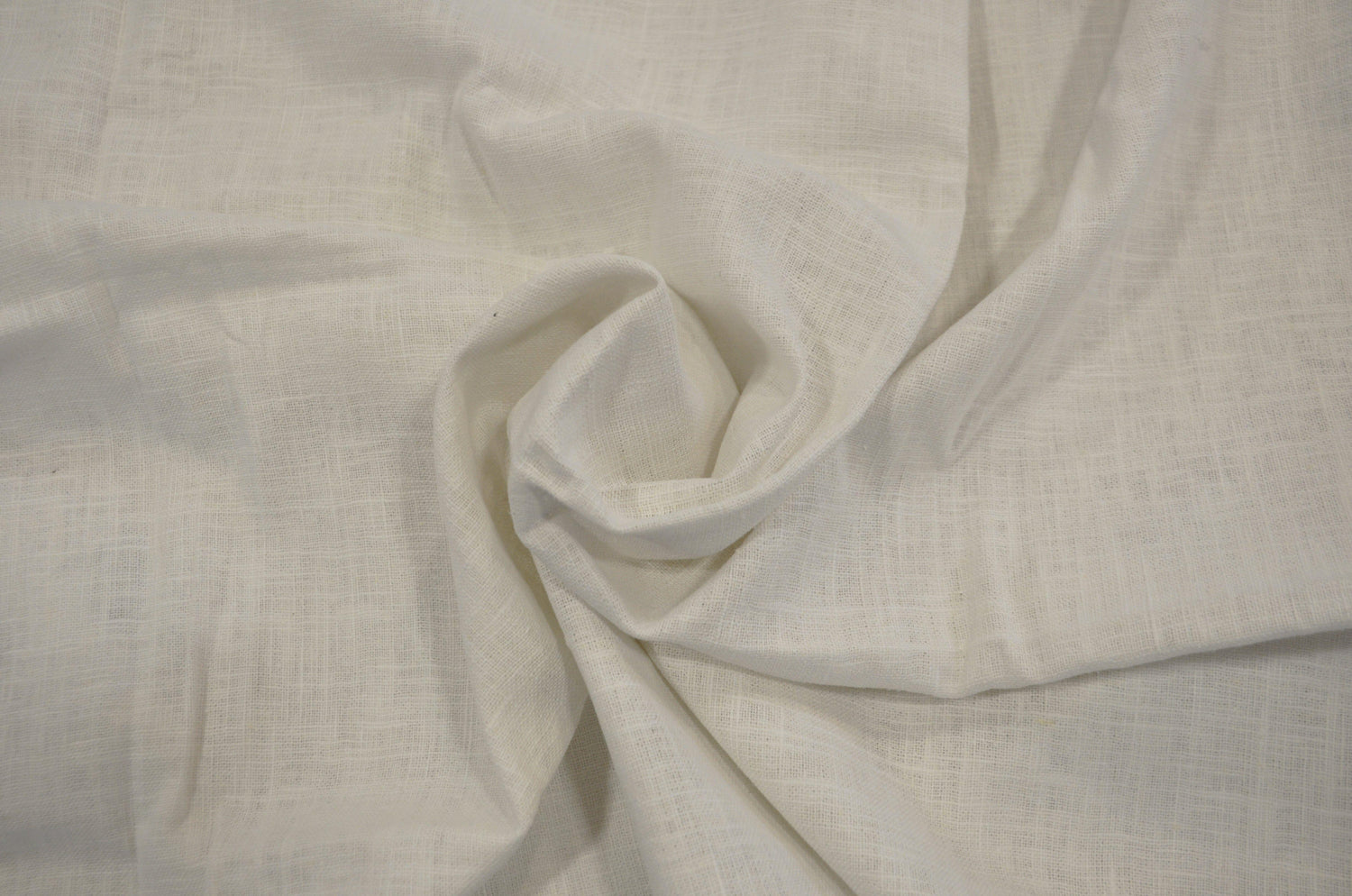
A well-designed event space feels connected from one area to another. The tables, chairs, stage, and backdrop should look like parts of the same design rather than separate pieces. Using bulk fabric material can make that coordination much easier. Event planners and decorators can select one fabric or a small group of fabrics and use them across different décor elements. This approach helps create a polished look while also making large-scale event production more organized.
Why Does Fabric Coordination Matter at Events?
Fabric can tie an entire venue together. A color used on table runners can appear again on chair accents and stage draping. As a result, the space feels more planned and visually balanced.
This is especially useful for weddings, galas, conferences, award ceremonies, and corporate celebrations. These events often involve several décor areas that need to work together.
Instead of choosing fabric separately for every part of the venue, planners can start with a central color palette. From there, they can decide where the material will have the biggest visual impact.

How Can Fabric Coordinate Table Décor?
Tables usually take up a large part of an event space. Therefore, even small fabric details can influence the overall look.
Table runners, overlays, napkins, and decorative accents can introduce the main event colors without making the tables feel too busy. For example, a soft neutral fabric can create a refined base, while a richer accent color can add contrast.
Planners can also use different textures while keeping a similar color scheme. A smooth fabric on the table can be paired with textured chair accents or flowing stage drapes. This keeps the design interesting without making everything look exactly the same.
When purchasing bulk cloth material, event decorators can also have enough fabric for multiple tables and future projects. That consistency can be handy when working on large venues.
Can Chair Accents Match the Table Design?
Chairs are another opportunity to carry the event theme throughout the venue. Simple chair covers, sashes, bows, and fabric ties can change the appearance of standard seating.
For a wedding, for instance, chair accents can repeat the colors found in the table runners. At a corporate event, a branded color can be used more subtly through chair bands or decorative ties.
The key is balance. Using the exact same fabric everywhere may look flat. Instead, decorators can use the same color in different ways. A table runner might have a clean, structured appearance, while a chair sash can have a softer finish.
This creates visual consistency while still giving each area its own character.
How Does Stage Draping Complete the Look?
The stage is often the main focal point of an event. Because of that, stage draping can play a major role in tying the décor together.
Large fabric panels can frame a stage, cover plain walls, or create a backdrop behind a speaker or performance area. When the stage uses colors already seen on the tables and chairs, the entire venue feels more cohesive.
For example, a wedding might use ivory table décor with dusty rose chair accents. Those same tones can appear in layered stage draping. Meanwhile, a corporate event could use brand colors across table runners, chair details, and a large stage backdrop.
Using bulk fabric material makes this kind of coordination more practical, especially when decorators need long lengths for large draping installations.
Can One Fabric Work in Different Ways?
Yes, and that is where creative planning comes into play.

A single fabric can be cut into table runners, chair sashes, backdrop panels, or smaller decorative pieces. However, decorators do not always need to use it in exactly the same form.
A lightweight material may look elegant when gathered across a table but more dramatic when hung in long stage panels. Similarly, a textured fabric may work well as a chair accent while adding depth to a backdrop.
This gives planners more freedom. They can create a unified theme without making every décor element look like a copy of another.
How Can Fabric Support Different Event Themes?
The same approach can work across many event styles. The difference usually comes down to color, texture, layering, and placement.
For a formal gala, rich tones and luxurious textures can create a sophisticated setting. For a garden wedding, lighter colors and flowing fabrics may feel more natural. Corporate events often benefit from simple color combinations that reflect a company’s branding.
Even themed celebrations can use coordinated fabric. A vintage event might rely on muted shades, while a modern event could use bold contrasts and clean lines.
The important thing is to choose fabrics that suit the venue and the event’s purpose.
Does Buying in Bulk Help With Large Events?
Large events require a lot of material. Buying fabric separately for every table, chair section, and stage area can make planning harder. It can also lead to differences in color or texture between purchases.
Buying bulk cloth material can help decorators maintain consistency across a larger installation. It also gives them more freedom to make adjustments during setup.
Having extra fabric on hand can be useful, too. Event layouts can change at the last minute. A few additional yards may help cover an unexpected need without forcing the team to search for a matching material.
What Should Event Decorators Check Before Ordering?
Before ordering fabric in large quantities, decorators should consider the fabric width, weight, color consistency, texture, care requirements, and intended use.
They should also estimate how much material is needed for each area. Stage draping may require significantly more fabric than table décor, especially when gathering or layered effects are part of the design.
Ordering a sample first is a smart step. It allows the team to check how the material looks under venue lighting and how well it works with other décor pieces.
For large productions, these small checks can prevent major headaches later.
Can Coordinated Fabric Make an Event Feel More Complete?
Coordinated fabric can bring separate parts of an event together. Tables can introduce the color palette, chairs can reinforce it, and stage draping can make it the visual centerpiece.
With thoughtful planning, bulk fabric material can support all three areas without making the décor feel repetitive. The trick is to vary how the fabric is used while keeping the colors and overall style connected.
For event planners and decorators, this approach offers both creative freedom and practical value. A well-chosen fabric can move from table to chair to stage, helping create an event space that feels intentional from every angle.