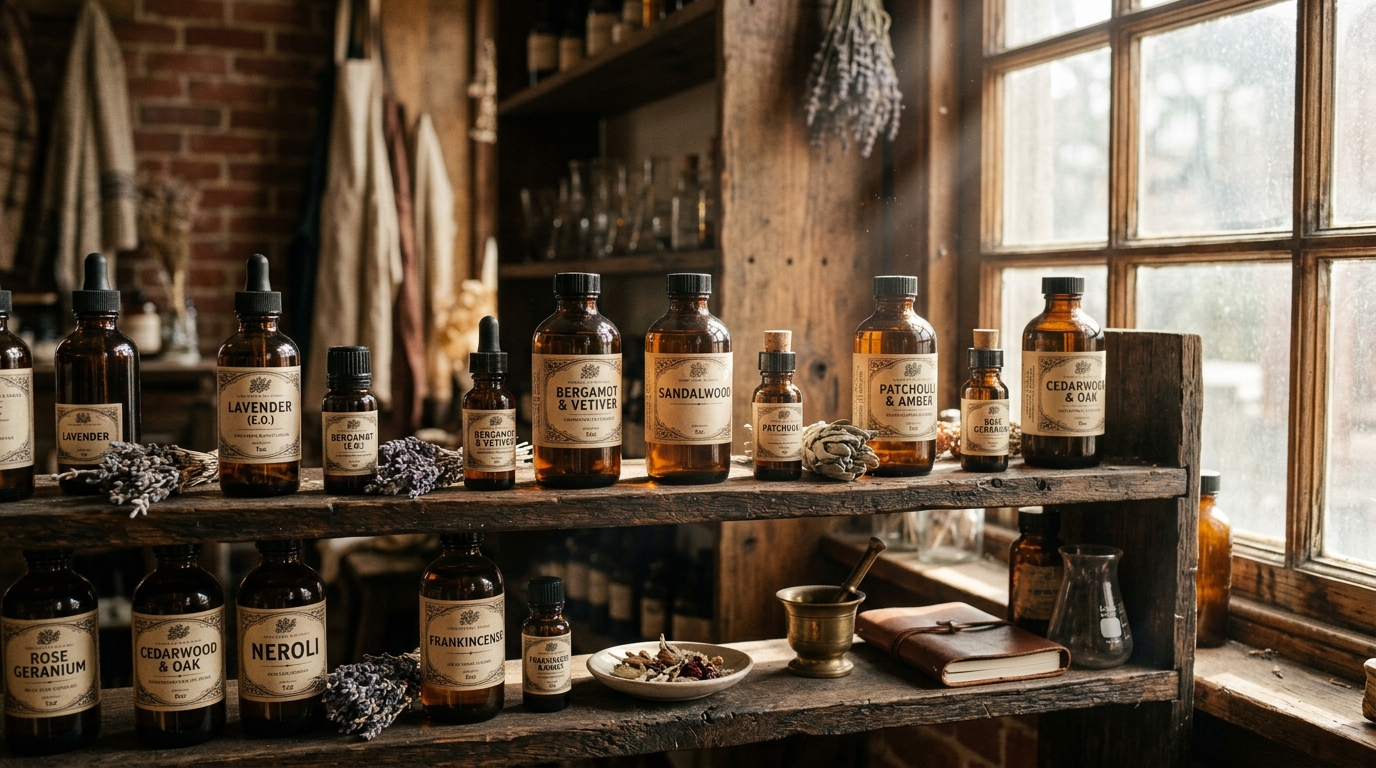
Fragrance Oil is a popular way to add a pleasant and lasting scent to everyday products. It can be used in candles, soaps, wax melts, room fresheners, personal care products, and many other scented creations. Because fragrance oils come in a wide range of scent profiles, they give makers plenty of freedom to create products with a distinctive character.
What Is Fragrance Oil?
Fragrance oil is a scented formulation created to provide a particular aroma. Depending on its intended application, it may contain a blend of aromatic ingredients designed to produce a specific fragrance profile.
Unlike essential oils, which are extracted from natural plant materials, fragrance oils can be formulated using a combination of aromatic materials. This allows manufacturers to create familiar, complex, and consistent scents that may be difficult to obtain from a single natural source.
Why Fragrance Oil Is Popular
One of the main reasons people choose fragrance oil is variety. There are countless scent directions available, ranging from floral and fruity to woody, fresh, sweet, spicy, and earthy.

Fragrance oils can also provide consistency. When a particular fragrance is used repeatedly in a product, maintaining a similar scent profile can help create a recognizable experience.
Another advantage is versatility. The same general fragrance concept can inspire different products, although the oil should always be suitable for the specific application.
Common Uses of Fragrance Oil
Fragrance oil is used across many creative and commercial applications.
Candles
Scented candles rely on fragrance to create a particular atmosphere. Floral, vanilla, citrus, wood, and seasonal profiles are commonly used to give candles their character.
Wax Melts
Wax melts are another popular application. A concentrated fragrance can help create a noticeable aroma when the wax is gently heated.
Soaps and Body Products
Some fragrance oils are formulated for use in personal care products. When selecting an oil for soap or another body product, it is important to make sure it is specifically approved or suitable for that application.
Room Fragrance
Fragrance oils can also be used in products designed to scent indoor spaces. Different fragrance profiles can create impressions ranging from clean and refreshing to warm and relaxing.
Craft Projects
Home fragrance projects often use fragrance oil to give handmade creations a more distinctive scent. This makes fragrance oil useful for hobbyists as well as small product makers.
Understanding Fragrance Notes
A fragrance can contain several layers of scent. These are often described as top, middle, and base notes.
Top notes are usually noticed first and tend to create the initial impression. Citrus and some fresh aromas often fall into this category.
Middle notes become more noticeable as the initial scent settles. Floral and herbal characteristics are commonly associated with this part of a fragrance.
Base notes generally provide depth and staying power. Woods, musk, amber, and other rich aromas can contribute to the foundation of a fragrance.
The combination of these layers gives a fragrance its overall personality.

How to Choose a Fragrance Oil
Choosing the right fragrance oil starts with understanding how it will be used. An oil intended for candles may not automatically be appropriate for skin or other applications.
Consider the following factors before making a choice:
Intended use: Check whether the fragrance is suitable for your specific product.
Scent profile: Think about whether you want something fresh, floral, sweet, woody, fruity, spicy, or a combination.
Strength: Consider how noticeable you want the finished fragrance to be.
Compatibility: The fragrance should work properly with the base material used in your product.
Usage guidelines: Follow the supplier’s recommended usage rate and safety information.
Fragrance Oil vs Essential Oil
Fragrance oil and essential oil are not the same thing.
Essential oils are generally obtained from plants through processes such as steam distillation or pressing. Their aroma comes from naturally occurring aromatic compounds found in the source material.
Fragrance oils are formulated to create a specific scent and can contain different aromatic components. Some may include natural ingredients, while others may rely more heavily on synthetic fragrance materials.
Neither option is automatically better for every purpose. The right choice depends on the desired scent, product type, performance, and formulation requirements.
Getting the Best Results
Using too much fragrance does not necessarily produce a better result. The correct amount depends on the product and the specific fragrance formulation.
It is also useful to test a small batch before producing a larger quantity. A fragrance can behave differently when combined with wax, soap bases, oils, or other materials. Testing allows you to evaluate the final scent and make adjustments when necessary.
Proper storage also matters. Fragrance oils should generally be kept tightly closed and stored according to the supplier’s recommendations. Exposure to excessive heat, light, or unsuitable conditions can affect the quality of some formulations.
Final Thoughts
Fragrance oil offers a flexible way to introduce distinctive aromas into a wide variety of products. From candles and wax melts to room fragrance and suitable personal care products, its versatility makes it useful for both creative projects and product development.
The key is choosing an oil designed for the intended application, understanding its scent profile, following recommended usage guidelines, and testing the finished product before moving to larger quantities. With the right approach, fragrance oil can become an important part of creating products with a memorable and enjoyable scent.