A strong concrete slab provides the foundation for many successful commercial projects. From warehouses and retail spaces to workshops and storage facilities, a properly constructed slab supports daily operations and helps businesses maintain safe, functional spaces. Choosing a reliable Concrete Slab Contractor Galveston TX property owners can trust is an important step toward achieving lasting results. Local conditions, soil characteristics, moisture exposure, and heavy traffic all influence how concrete performs over time. Understanding these factors helps business owners make informed decisions before construction begins.
Why Quality Concrete Slabs Matter for Commercial Properties
Strength and Structural Stability
Commercial concrete slabs must support the demands of their intended use. A warehouse may accommodate forklifts and heavy equipment, while a retail building needs a stable floor for customers, shelving, and merchandise. Each application requires careful planning and suitable materials.
Professional concrete installation begins with evaluating the site, preparing the ground, and determining the appropriate slab thickness. Reinforcement may also be incorporated according to the project’s structural requirements.
These steps help distribute loads and reduce the likelihood of premature cracking caused by inadequate preparation or excessive stress. Working with an experienced contractor allows property owners to select a solution that suits their building and operational needs.

Long Term Value
Quality construction can reduce ongoing maintenance demands and protect a property’s usability. Although initial material and preparation costs deserve attention, choosing a slab based solely on the lowest price may create additional expenses later.
How Galveston Weather Influences Concrete Construction
Managing Moisture and Coastal Conditions
Galveston’s coastal environment presents specific construction challenges. Humidity, heavy rainfall, salt exposure, and occasional flooding can affect concrete and the materials surrounding it.
A knowledgeable contractor evaluates drainage patterns and ground conditions before pouring. Proper site grading helps direct water away from important structural areas, while suitable concrete specifications support the intended service environment.
Moisture management is particularly important for commercial facilities that store equipment, merchandise, or sensitive materials. Standing water near a slab can create operational problems and increase concerns about the surrounding structure.
Preparing for Temperature Changes
Concrete naturally expands and contracts as temperatures change. Appropriate joint placement and curing practices help manage these movements and support a more durable finished surface.
What to Expect During Commercial Slab Installation
Site Evaluation and Ground Preparation
The installation process generally begins with measurements, soil evaluation, excavation when necessary, and grading. The contractor establishes the required elevations and prepares a stable base before concrete placement.
Depending on the project, reinforcement, vapor barriers, and other supporting components may be necessary. These decisions should reflect building plans, soil conditions, and the expected loads.
Pouring and Finishing
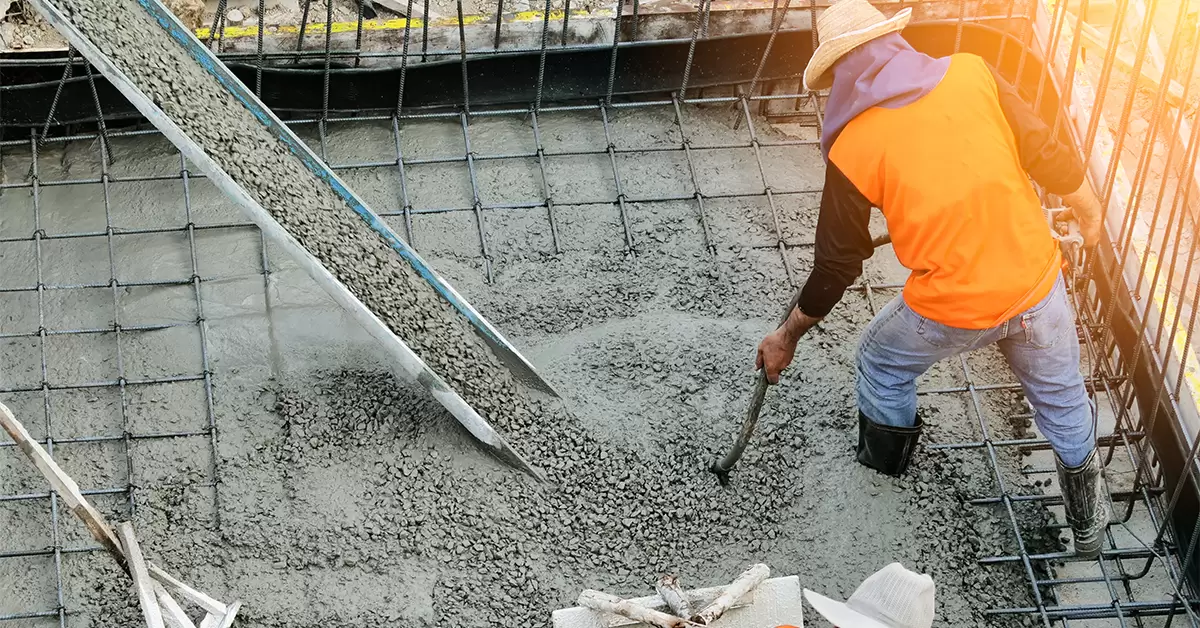
Once preparation is complete, concrete is placed, leveled, and finished to meet the project’s requirements. The surface finish may vary depending on whether the area will accommodate machinery, pedestrians, or storage activities.
Proper curing is equally important. Concrete needs adequate time and suitable conditions to develop its intended strength. Following the contractor’s recommendations before introducing heavy loads helps protect the new slab.
Choosing the Right Concrete Contractor
Experience, communication, and attention to detail are essential when selecting a commercial concrete professional. Ask about previous projects, construction methods, scheduling, and the materials proposed for your site.

A dependable contractor should explain the installation process clearly and identify important considerations before work begins. Written estimates also help business owners understand labor, materials, site preparation, and other project expenses.
Choosing a contractor familiar with coastal construction can make planning easier because local drainage and environmental conditions receive appropriate attention.
Frequently Asked Questions
How thick should a commercial concrete slab be?
Thickness depends on structural requirements, soil conditions, and expected loads. Building plans and engineering recommendations should determine the appropriate dimensions.
How long does concrete take to cure?
Concrete continues gaining strength over time. Approximately 28 days is a common reference point for specified concrete strength, although actual performance depends on the mixture and curing conditions.
Does Galveston weather affect concrete installation?
Yes. Rainfall, humidity, temperature, and coastal exposure can influence placement, curing, and long term performance.
Can concrete slabs support heavy equipment?
Yes, when they are properly designed for the equipment’s weight, operating loads, and ground conditions.
Why hire a professional concrete contractor?
Professional installation helps ensure appropriate site preparation, material selection, finishing, and curing.
Conclusion
A durable commercial slab begins with careful planning, suitable materials, and experienced workmanship. Galveston property owners should consider soil stability, moisture management, structural requirements, and long term operating needs before construction starts. Whether you are developing a warehouse, expanding a business facility, or constructing a retail property, choosing the right contractor can make a meaningful difference. Mouton Concrete Services for Your Next Project to discuss your commercial concrete needs and plan a strong, dependable surface for your property.