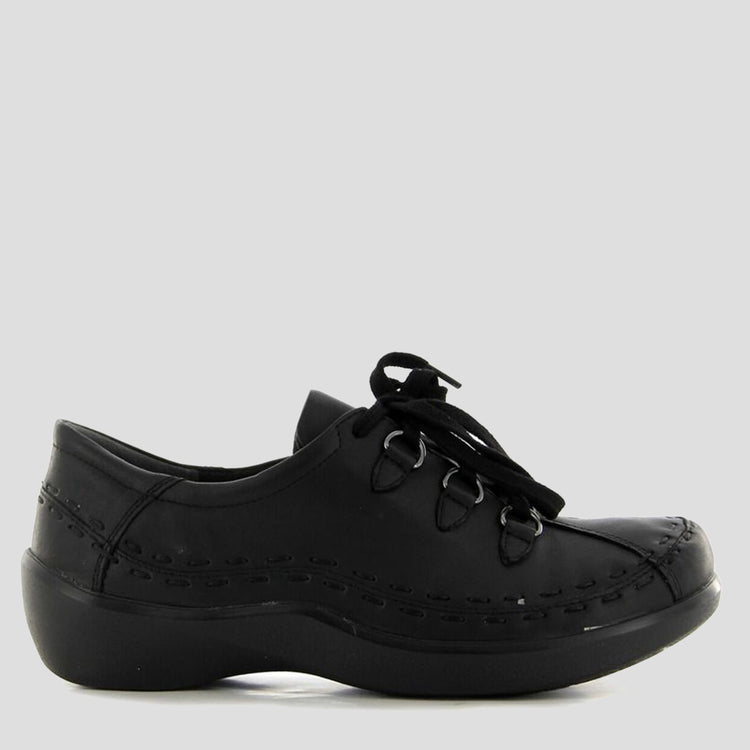
Nursing shifts often involve hours of standing, walking and moving between patients. Uncomfortable footwear can make these demanding days harder. The best shoes for nurses in Australia should offer a secure fit, supportive cushioning, and reliable grip. Choose the right pair by considering your workplace conditions, daily responsibilities, and individual foot shape, rather than focusing on appearance alone.
Choose a Comfortable Fit
Poorly fitting shoes can cause rubbing, pressure and discomfort during long shifts. Your footwear should feel secure without squeezing your feet.
Check these features when trying on nursing shoes:
- Toe Space: Allow enough room for your toes to move naturally.
- Width: Choose a width that accommodates your foot shape without unnecessary pressure.
- Heel Fit: Ensure your heel stays securely positioned while walking.
- Overall Comfort: Walk around in both shoes to check for rubbing or slipping.
A comfortable fit should feel right from the beginning. Avoid shoes that need considerable stretching before they become wearable.

Look for Support and Cushioning
Nurses often spend much of their shifts on their feet. Supportive footwear can help improve comfort during prolonged standing and walking. Look for shoes with cushioning beneath the heel and forefoot. A supportive footbed may also help distribute pressure more evenly. Removable insoles can be useful if you wear prescribed orthotics. Choose features that suit your feet rather than assuming thicker cushioning always provides better support.
Check Grip and Sole Design
Hospital corridors and clinical areas may have wet or slippery surfaces. Footwear with suitable grip can help reduce the risk of slipping.

Pay attention to these sole features:
- Slip Resistance: Choose outsoles designed to provide traction on workplace surfaces.
- Stability: Look for a secure base that supports confident movement.
- Flexibility: Select soles that bend comfortably during normal walking.
- Durability: Check that the outsole can handle frequent workplace use.
Inspect the soles regularly for signs of wear. Worn tread may reduce grip, particularly on wet surfaces.
Consider Materials and Easy Maintenance
Nursing footwear should meet your workplace’s cleaning and hygiene requirements. Smooth, easy-to-clean uppers can help if shoes may come into contact with spills. Breathable linings may also help manage moisture during long shifts. Check for rough seams, stiff edges and other areas that could cause irritation.
Match Your Shoes to Your Nursing Role
Nursing duties vary between hospitals, clinics and aged care settings. Some roles involve frequent walking, while others require extended periods of standing. When comparing footwear for women check your employer’s dress code and safety requirements. Depending on your workplace, closed-toe designs, secure fastenings, and appropriate slip resistance may be necessary.
Conclusion
Choosing nursing shoes involves more than finding a comfortable pair. Fit, cushioning, grip and easy maintenance all matter during demanding shifts. Consider your usual duties and workplace requirements before purchasing. Try different styles and walk in them to assess comfort and stability. Suitable footwear can help you move confidently throughout your shift while meeting your workplace’s practical needs.