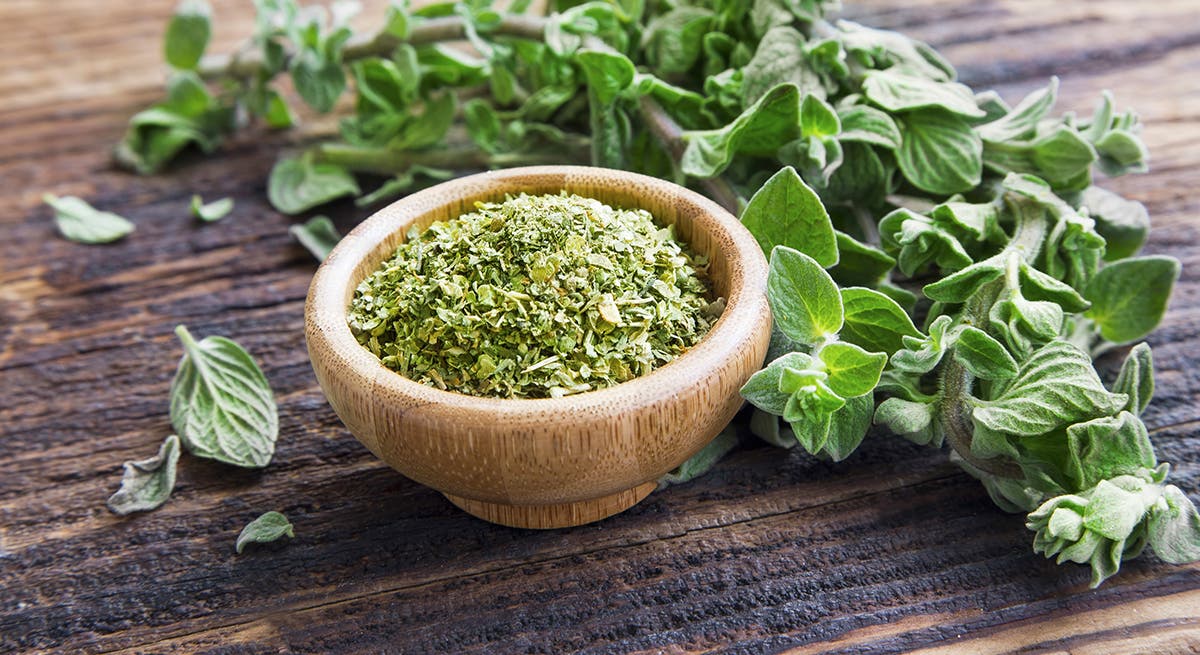
Oregano is one of the most popular aromatic herbs used in kitchens worldwide. Known for its strong fragrance, slightly peppery taste, and earthy flavour, oregano is commonly added to pizza, pasta, soups, salads, and grilled foods. However, oregano is more than just a seasoning. It contains antioxidants, vitamins, minerals, and natural plant compounds that may offer several health benefits.
In Pakistan, oregano has become increasingly popular because of the growing interest in homemade pizza, Italian food, healthy recipes, and natural ingredients. Both fresh and dried oregano can add delicious flavour to everyday meals.
In this guide, we will explore 15 potential oregano benefits, its nutritional value, different uses, possible side effects, and simple ways to include it in your daily diet.
What Is Oregano?
Oregano (Origanum vulgare) is a fragrant herb belonging to the mint family, Lamiaceae. It originally comes from the Mediterranean region but is now cultivated in different parts of the world.

Oregano is available in several forms:
- Fresh oregano: Green leaves with a fresh herbal aroma.
- Dried oregano: Leaves that are dried and crushed for cooking.
- Oregano powder: Finely ground oregano used as a seasoning.
- Oregano oil: A concentrated essential oil used in certain traditional and commercial applications.
Dried oregano is particularly popular because it has a strong flavour and can be stored for a long time.
Nutritional Value of Oregano
Oregano contains several nutrients and beneficial plant compounds. Its nutritional content includes:
- Vitamin K
- Vitamin E
- Calcium
- Iron
- Manganese
- Dietary fibre
- Polyphenols
- Flavonoids
- Carvacrol
- Thymol
Carvacrol and thymol are two important natural compounds found in oregano. They have been studied for their antioxidant and antimicrobial properties.
However, oregano is usually consumed in small quantities, so it should be considered a flavourful addition to a balanced diet rather than a primary source of essential nutrients.
15 Amazing Health Benefits of Oregano
1. Rich in Antioxidants
One of the most recognised oregano benefits is its antioxidant content. Antioxidants help protect the body’s cells against oxidative stress caused by unstable molecules known as free radicals.
Oregano contains natural compounds such as rosmarinic acid, thymol, and carvacrol.
Including antioxidant-rich herbs, vegetables, and fruits in your diet can support overall health.
2. Supports Digestive Health
Oregano has traditionally been used as a digestive herb in different cultures.
Its aromatic compounds may influence digestive secretions, although strong clinical evidence in humans is limited.
Adding dried oregano to soups, vegetables, chicken, and other meals is an easy way to enjoy its traditional culinary uses.
3. Contains Natural Antimicrobial Compounds
Oregano contains carvacrol and thymol, which have demonstrated antimicrobial activity in laboratory studies.
Researchers have investigated these compounds for their potential effects against certain bacteria and fungi.
However, eating oregano does not treat bacterial or fungal infections and should never replace prescribed medication.
4. May Support Immune Function
Oregano contains antioxidants and plant compounds that are being researched for their potential role in supporting normal immune function.
A healthy immune system also depends on proper nutrition, sufficient sleep, hydration, and regular physical activity.
Adding oregano to a varied diet is one simple way to include more plant-based ingredients in everyday meals.
5. Supports a Healthy Inflammatory Response
Some compounds in oregano, including carvacrol and rosmarinic acid, have demonstrated anti-inflammatory potential in experimental research.
These compounds are being studied because inflammation plays a role in several health conditions.
However, more human studies are required to confirm whether eating oregano provides meaningful anti-inflammatory benefits.
6. May Support Heart Health
Oregano contains antioxidants that may help protect cells from oxidative damage.
A heart-friendly diet includes vegetables, fruits, whole grains, legumes, nuts, and healthy fats.
Oregano can improve the flavour of these foods without requiring excessive salt.
There is currently insufficient clinical evidence to establish oregano as a treatment or prevention method for heart disease.
7. Contains Vitamin K for Bone Health
Vitamin K is an essential nutrient involved in normal blood clotting and bone health.
Oregano contains vitamin K, although the amount you consume depends on the serving size and whether you use fresh or dried leaves.
People taking warfarin should maintain a consistent vitamin K intake and consult their healthcare professional before making significant dietary changes.
8. May Support Healthy Blood Sugar Levels
Certain compounds found in oregano have been investigated for their potential effects on glucose metabolism.
Some laboratory and animal studies have produced interesting findings, but reliable human evidence remains limited.
Oregano should not replace diabetes medication, medical advice, or a balanced eating plan.
9. Provides Minerals for Bone Health
Oregano contains small amounts of minerals such as calcium and manganese.
Calcium is important for strong bones and teeth, while manganese contributes to normal bone formation.
Although oregano can contribute small amounts of these nutrients, it should be combined with other nutritious foods such as milk, yoghurt, nuts, and leafy green vegetables.
10. Traditionally Used for Respiratory Comfort
Oregano has a history of traditional use in herbal preparations for respiratory comfort.
Its aromatic flavour makes it a popular ingredient in herbal teas and home remedies.
However, there is insufficient clinical evidence to recommend oregano as a treatment for coughs, asthma, bronchitis, or respiratory infections.
11. Contains Compounds Studied for Antifungal Properties
Carvacrol and thymol have demonstrated antifungal activity in laboratory research.
Scientists continue to investigate these compounds for possible applications in food preservation and other areas.
However, oregano seasoning cannot replace medical treatment for fungal infections.
12. May Support Skin Health
Oregano contains antioxidants that are being studied for their potential role in protecting cells against oxidative stress.
Oregano extracts and essential oils have also attracted interest in skincare research.
However, concentrated oregano oil can cause skin irritation. It should not be applied directly to the skin without appropriate professional guidance and dilution.

13. Adds Flavour Without Extra Salt
One practical benefit of oregano is that it improves the taste of food without requiring additional salt.
It works particularly well in:
- Homemade pizza
- Pasta sauces
- Grilled chicken
- Roasted vegetables
- Sandwiches
- Soups and salads
Using herbs and spices to flavour meals can make it easier to reduce excessive salt consumption.
14. May Have Potential Oral Health Applications
Oregano’s natural antimicrobial compounds have attracted interest in oral health research.
Some laboratory studies have examined their activity against microorganisms associated with dental problems.
However, oregano cannot replace brushing, flossing, regular dental check-ups, or professional dental treatment.
15. Encourages Healthier Home Cooking
Perhaps the most practical benefit of oregano is how easily it fits into everyday meals.
It can improve the taste of homemade dishes, encourage cooking with vegetables, and add variety to regular recipes.
For Pakistani households that enjoy pizza, pasta, sandwiches, grilled chicken, and homemade snacks, oregano is a convenient kitchen ingredient.
How to Use Oregano in Daily Cooking
Oregano is easy to use and pairs well with different ingredients. Here are some simple ideas:
1. Pizza: Sprinkle dried oregano over homemade pizza before or after baking.
2. Pasta: Add oregano to tomato sauce, white sauce, or vegetable pasta.
3. Grilled Chicken: Mix oregano with black pepper, garlic, lemon juice, and olive oil to prepare a flavourful marinade.
4. Salads: Combine oregano with lemon juice, olive oil, and black pepper to make a simple salad dressing.
5. Soups: Add a pinch of oregano to chicken soup, vegetable soup, or tomato soup.
6. Sandwiches: Sprinkle oregano over sandwiches, wraps, and homemade burgers.
7. Roasted Vegetables: Mix oregano with olive oil and your favourite vegetables before roasting.
How to Make Oregano Tea at Home
Oregano tea is a simple herbal beverage prepared using fresh or dried oregano leaves.
Ingredients:
- 1 teaspoon dried oregano
- 1 cup hot water
- 1 teaspoon honey (optional)
- A little lemon juice (optional)
Preparation:
- Heat one cup of water until hot.
- Add dried oregano leaves.
- Cover and allow them to steep for 5–10 minutes.
- Strain the leaves.
- Add honey or lemon juice if desired.
Enjoy oregano tea as an occasional herbal drink. It should not be considered a treatment for infections or other medical conditions.
Fresh Oregano vs Dried Oregano: Which Is Better?
Both fresh and dried oregano are useful in cooking, but they have some differences.
| Feature | Fresh Oregano | Dried Oregano |
|---|---|---|
| Texture | Soft green leaves | Dry, crushed leaves |
| Flavour | Fresh and herbal | Strong and concentrated |
| Shelf life | Shorter | Longer |
| Best for | Salads and fresh dishes | Pizza, pasta and sauces |
| Storage | Refrigerated | Airtight container |
Dried oregano is often more convenient for Pakistani households because it has a longer shelf life when stored properly.
Possible Side Effects of Oregano
Oregano is generally considered safe when consumed in normal culinary quantities. However, certain precautions are important.
- Allergic reactions: People allergic to mint-family plants may also react to oregano.
- Digestive discomfort: Excessive consumption may cause stomach discomfort in some individuals.
- Pregnancy: Avoid medicinal amounts or concentrated oregano products during pregnancy unless advised by a healthcare professional.
- Essential oil: Never drink undiluted oregano essential oil because it is highly concentrated.
- Medication interactions: Consult a healthcare professional before using concentrated oregano supplements, particularly if you take regular medication.
For everyday cooking, moderate amounts of dried or fresh oregano are usually sufficient.
How to Store Dried Oregano Properly
Proper storage helps maintain oregano’s flavour, aroma, and quality.
Follow these simple tips:
- Store oregano in an airtight glass jar.
- Keep it in a cool and dry place.
- Avoid direct sunlight and excessive heat.
- Always use a dry spoon.
- Keep the container away from steam and moisture.
Dried oregano generally maintains its best flavour for several months when stored correctly.
Conclusion
Oregano is more than just a popular pizza seasoning. It is an aromatic herb containing antioxidants, vitamins, minerals, and naturally occurring compounds such as carvacrol and thymol.
Its potential benefits include antioxidant activity, traditional digestive uses, and antimicrobial properties demonstrated in laboratory studies. Although more human research is needed to confirm many of its health-related claims, oregano remains a useful ingredient in a balanced diet.
For Pakistani households, dried oregano is an easy way to improve homemade pizza, pasta, grilled chicken, soups, salads, and vegetables. Add it to your everyday cooking in moderate quantities and enjoy its distinctive flavour as part of a healthy lifestyle.
Frequently Asked Questions
What are the main benefits of oregano?
Oregano contains antioxidants and natural plant compounds that have been studied for antimicrobial and anti-inflammatory properties. It also adds flavour to healthy homemade meals.
Can I use oregano daily?
Yes. Most people can safely use moderate amounts of oregano as a seasoning in everyday cooking.
Is oregano good for digestion?
Oregano has traditionally been used as a digestive herb, but strong scientific evidence supporting specific digestive benefits in humans is limited.
Is dried oregano as good as fresh oregano?
Both are useful. Dried oregano has a more concentrated flavour and longer shelf life, while fresh oregano provides a lighter herbal taste.
Can oregano help with weight loss?
Oregano is not a proven weight-loss ingredient. However, using herbs and spices instead of excessive sauces and salt can support healthier eating habits.
Can I drink oregano tea every day?
Occasional oregano tea is generally fine for most healthy adults, but evidence about the safety of long-term daily medicinal use is limited.
What is the difference between oregano and thyme?
Both belong to the mint family, but they have different flavours. Oregano has a stronger, slightly peppery taste, while thyme is generally more subtle and earthy.