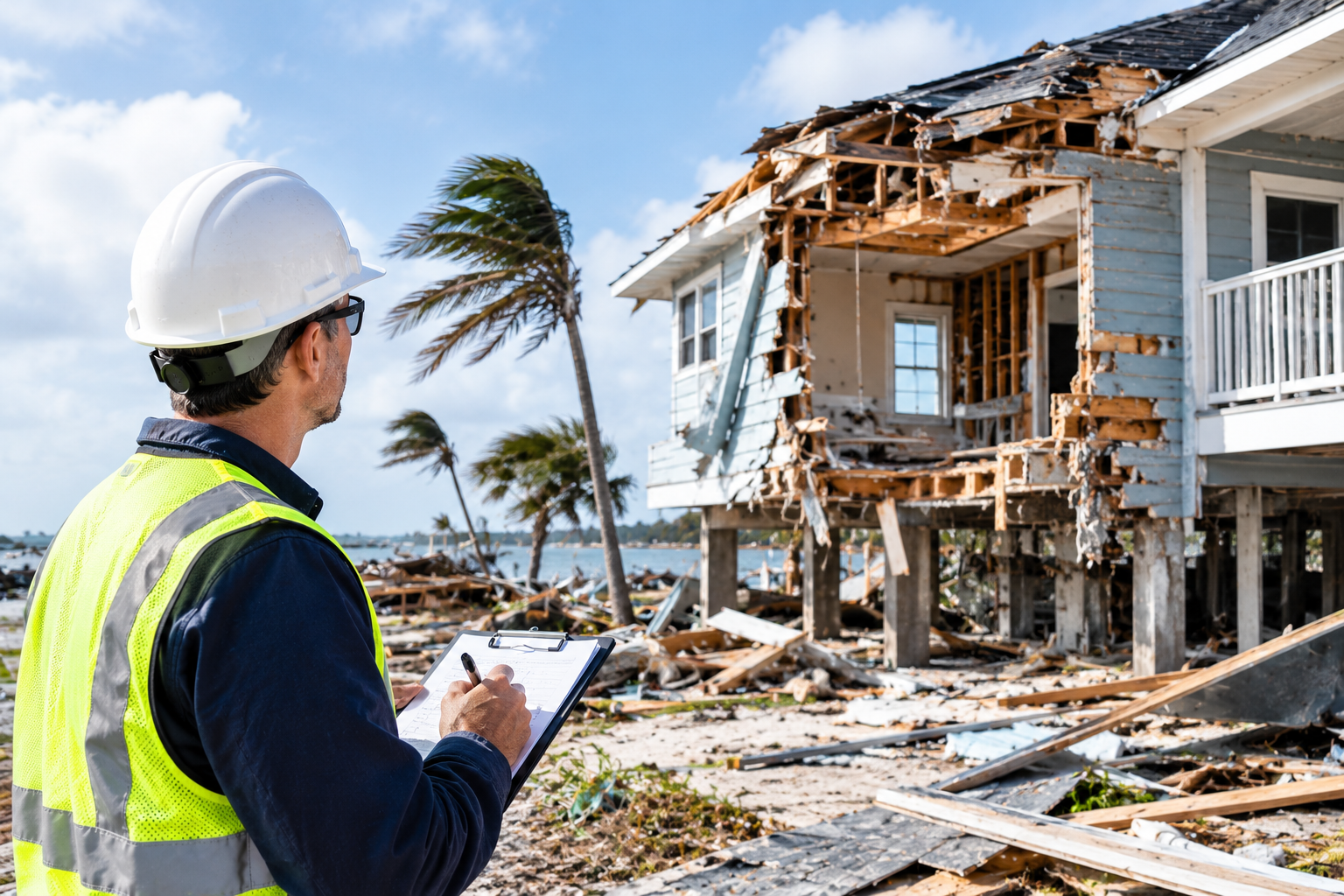
Hurricanes can weaken buildings through powerful winds, flying debris, heavy rainfall, and flooding, sometimes leaving damage that is not immediately visible. A Hurricane Damage Structural Engineer examines affected structures to determine the extent of the damage, identify possible causes, and recommend appropriate repairs. Understanding this assessment process helps property owners, insurers, contractors, and legal professionals make informed decisions after a major storm.
What Does a Hurricane Damage Structural Engineer Do?
A hurricane damage structural engineer evaluates buildings and structural components affected by severe weather. The goal is to understand whether the structure remains safe, which components have been damaged, and what repairs may be necessary.
The assessment can cover residential homes, commercial buildings, industrial facilities, and other engineered structures. Depending on the damage, the engineer may inspect foundations, roof framing, exterior walls, structural connections, concrete elements, and steel supports.
An engineer also considers whether the observed damage is consistent with hurricane conditions or may involve pre-existing deterioration, construction defects, or inadequate maintenance. This distinction can be important when planning repairs or documenting an insurance claim.

PS Engineering Inc. provides forensic investigations, structural evaluations, and disaster-related damage assessment services. Its engineering services include investigating hurricane damage and evaluating structural failures to help clients understand the cause and scope of problems.
How Do Engineers Assess Hurricane Damage?
A structural assessment follows a planned process. The exact steps depend on the building’s condition, accessibility, and the seriousness of the reported damage.
1. Conduct an Initial Safety Assessment
The first priority is determining whether the building or affected area presents an immediate safety risk. Engineers look for major cracks, leaning walls, damaged columns, roof instability, partial collapse, and other signs of structural distress.
If the building may be unsafe, access should be restricted until the appropriate professionals determine what can be inspected safely. Engineers may recommend temporary supports, restricted access, or other protective measures where appropriate.
An initial assessment helps establish priorities for further investigation. It does not always provide a complete picture of hidden damage.
2. Inspect the Roof and Building Envelope
Hurricane winds can lift roof coverings, damage roof edges, break windows, detach exterior cladding, and force rainwater into a building. These failures may expose interior components to further moisture damage.
Engineers examine roof framing, fasteners, connections, exterior walls, and openings to identify damaged components and possible entry points for water. They may compare the observed conditions with available construction documents and details showing how the building was designed.
A damaged roof covering does not automatically mean the entire roof structure has failed. The engineer evaluates the supporting system to determine whether additional structural repairs are needed.
3. Examine Structural Connections
Connections between roof framing, walls, columns, and foundations help transfer forces through a building. If these connections fail, parts of the structure may shift or separate under strong winds.
The engineer checks for missing or displaced fasteners, damaged anchors, separated joints, bent steel components, and other signs of connection failure. Where necessary, additional measurements or testing may be used to assess the extent of the problem.
These findings can help explain why one section of a building sustained more damage than another.
4. Assess Foundations and Load-Bearing Components
Flooding, erosion, debris impact, and changing soil conditions can affect foundations and supporting structures. Engineers inspect foundation walls, slabs, columns, beams, and other load-bearing components for cracking, displacement, settlement, and material deterioration.
They also consider whether floodwater or storm surge has affected the building differently from wind pressure. Distinguishing between possible causes can be important when determining an appropriate repair scope.
5. Document Damage and Review Available Records
Photographs, measurements, inspection notes, and construction documents help establish a clear record of the building’s condition. Engineers may also review maintenance records, previous inspection reports, repair invoices, and photographs taken before the hurricane.
This information helps identify changes that occurred during the storm and separates new damage from conditions that may have existed beforehand. A detailed record can also support repair planning, insurance discussions, and legal proceedings.
6. Prepare Findings and Repair Recommendations
After the investigation, the engineer explains the observed damage, likely causes, structural implications, and recommended next steps. Depending on the project, the report may include photographs, calculations, material testing results, and repair details.
Recommendations could involve replacing damaged components, strengthening connections, repairing concrete, stabilizing foundations, or developing a more extensive rehabilitation plan.

A structural engineer provides technical findings, but does not determine insurance coverage. Coverage decisions depend on the policy terms and the insurer’s claim review.
Common Types of Structural Damage Caused by Hurricanes
Understanding common failure patterns helps property owners recognize why a professional inspection may be necessary.
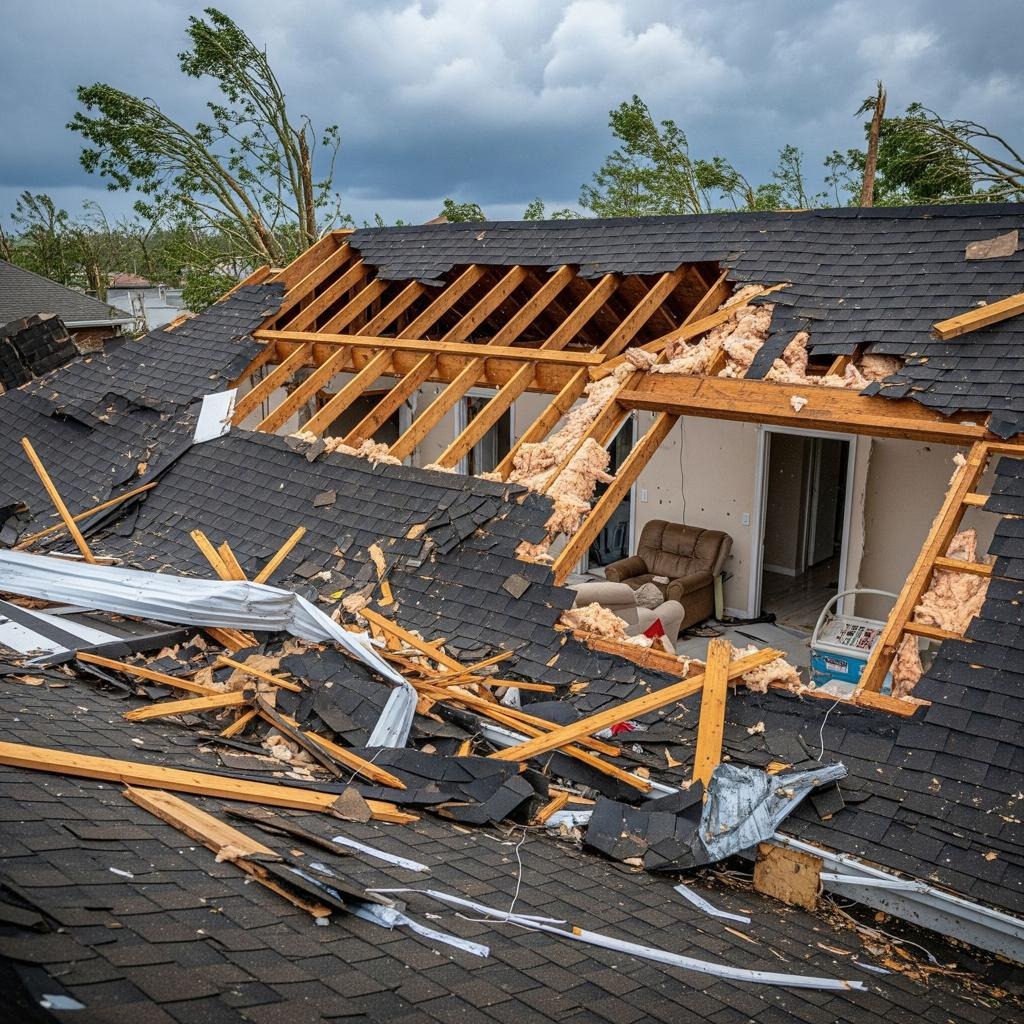
Roof and framing damage
High winds can remove roofing materials, damage trusses, and weaken connections. Engineers assess whether damage is limited to the roof covering or extends into the supporting structure.
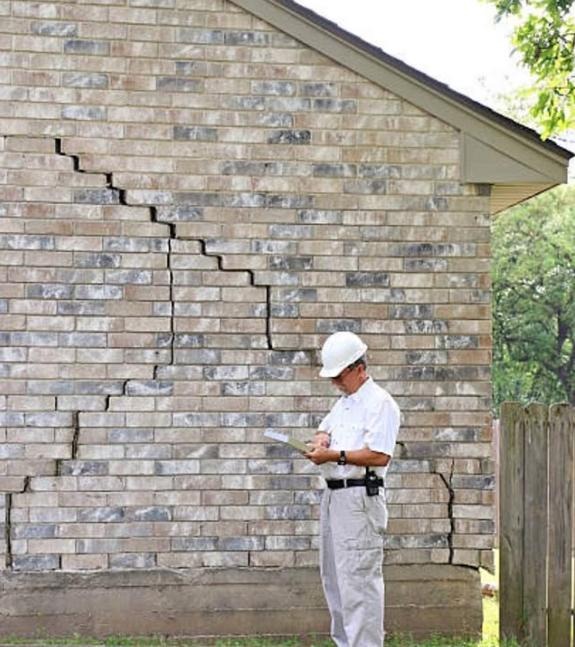
Wall cracking and displacement
Wind pressure, debris impact, and structural movement can crack or displace walls. The location and pattern of the damage help engineers evaluate its likely cause.
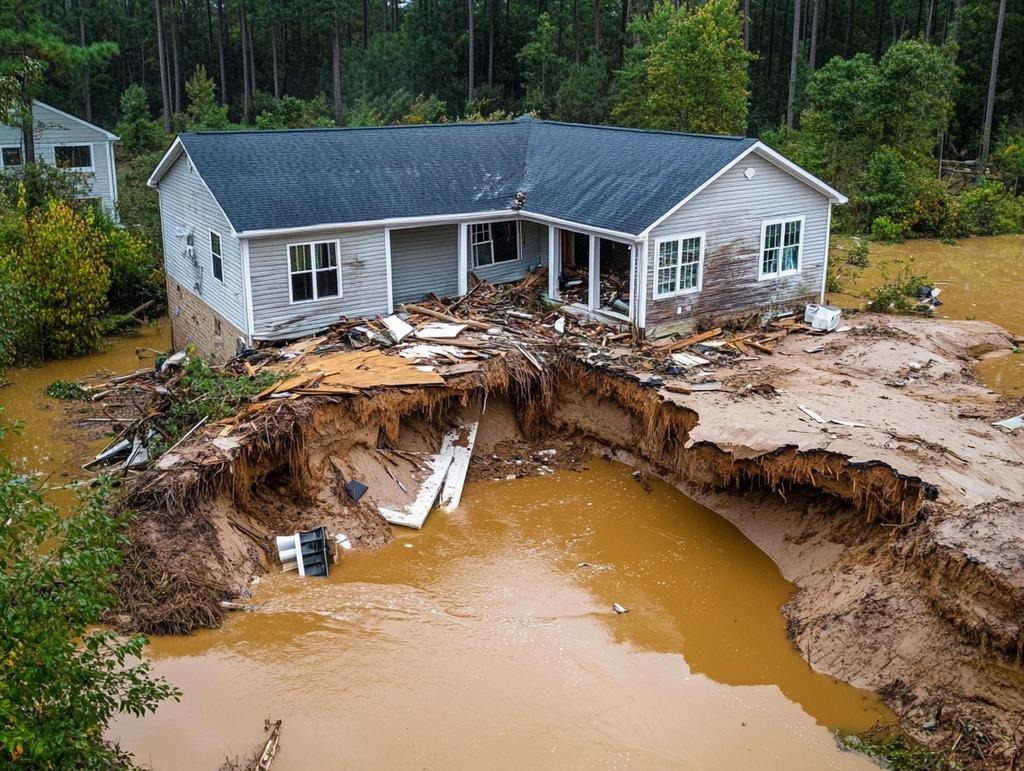
Foundation and soil damage
Flooding and erosion may remove supporting soil, expose foundations, or contribute to settlement. Engineers investigate the foundation and surrounding conditions to assess stability.
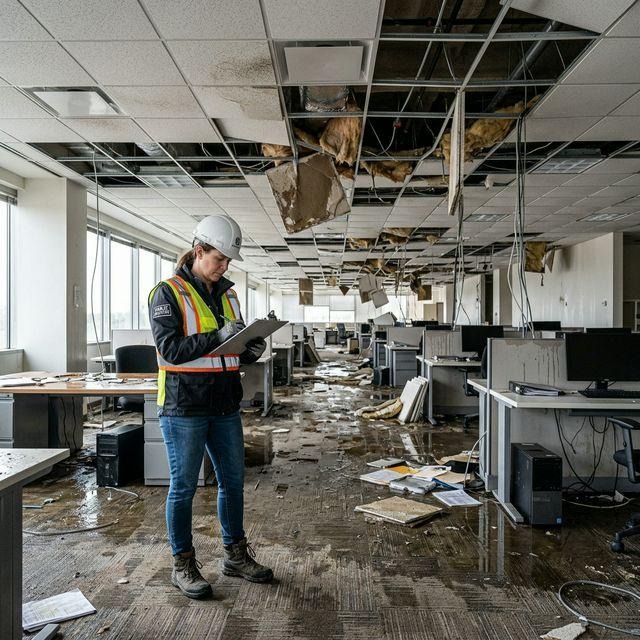
Water intrusion and material deterioration
Broken windows, damaged roofs, and failed exterior seals can allow water to enter. Moisture may damage materials and contribute to corrosion or decay if repairs are delayed.
Why Forensic Engineering Matters After a Hurricane
A Forensic Engineer investigates the causes of structural damage using physical evidence, technical analysis, and available records. After a hurricane, this work can help determine whether damage resulted from wind forces, flooding, debris impact, construction deficiencies, or a combination of factors.
Forensic engineering is especially useful when the cause of damage is disputed. For example, a property owner may believe that a roof failure occurred during a hurricane, while another party argues that the roof had deteriorated or was improperly installed before the storm.
The engineer examines the available evidence and evaluates competing explanations. This may involve reviewing construction plans, assessing damaged connections, conducting material tests, and comparing the observed failure pattern with the expected behavior of the structure.
An Emergency Response Structural Engineer may also help assess immediate hazards following a storm. This work can support decisions about restricted access, temporary stabilization, emergency repairs, and the next steps toward recovery. PS Engineering Inc. describes emergency response and catastrophe response services focused on structural evaluation, hazard assessment, and recovery planning.
Special Considerations for Different Structures
Not all buildings respond to hurricanes in the same way. Their materials, design, age, location, and intended use influence how engineers investigate damage.
Historic Buildings
Older buildings may contain traditional masonry, timber framing, aging connections, or materials that require specialized repair methods. Structural Engineering for Historic Restoration involves evaluating these existing systems while considering the need to preserve significant architectural features.
Engineers determine which components can be repaired, where reinforcement may be necessary, and how restoration work can improve structural performance without removing more historic material than necessary.
Aviation and Industrial Facilities
Hangars, airport buildings, and industrial facilities may have long roof spans, large doors, specialized equipment, and structural systems that behave differently from ordinary residential buildings.
An Aviation Structure and Forensic Engineer with relevant experience can assess storm damage to these facilities, including roof framing, structural connections, and supporting systems. The investigation should account for the facility’s design and operational requirements.
Buildings With Possible Design or Construction Defects
Sometimes, hurricane damage raises questions about whether a building was adequately designed or constructed. For example, insufficient roof connections or incorrectly installed structural components may have contributed to a failure.
A Design Defect Expert Witness and Structural Engineer may evaluate the engineering design, construction records, and physical evidence when such questions become part of a legal dispute. The expert can explain whether the evidence supports an alleged defect and whether it contributed to the damage.
When Should You Hire a Structural Engineer?
Consider arranging an assessment if you notice:
- Significant roof damage or visible deformation.
- New or widening cracks in walls, columns, or foundations.
- Leaning walls, uneven floors, or displaced structural components.
- Flooding or erosion around foundation supports.
- Damaged connections or exposed structural framing.
- Repeated water intrusion after storm damage.
- Disagreement about the cause or extent of structural damage.
If the building shows signs of possible collapse or serious instability, keep people away from the affected area and contact emergency services or the appropriate building authority. Do not enter a potentially unsafe building to collect photographs or personal belongings.
When choosing an engineer, verify professional licensing, relevant hurricane damage experience, and familiarity with the type of structure being assessed. Ask what the inspection includes, whether testing may be needed, and what documentation will be provided.
Final Thought
Hurricane damage can create difficult decisions for property owners, particularly when the extent of structural problems is unclear. A qualified Construction Defect Structural Engineer can help identify underlying issues, evaluate possible causes, and recommend practical repairs based on the available evidence. A careful engineering assessment provides a clearer path toward restoring safety, protecting property value, and planning long-term improvements.