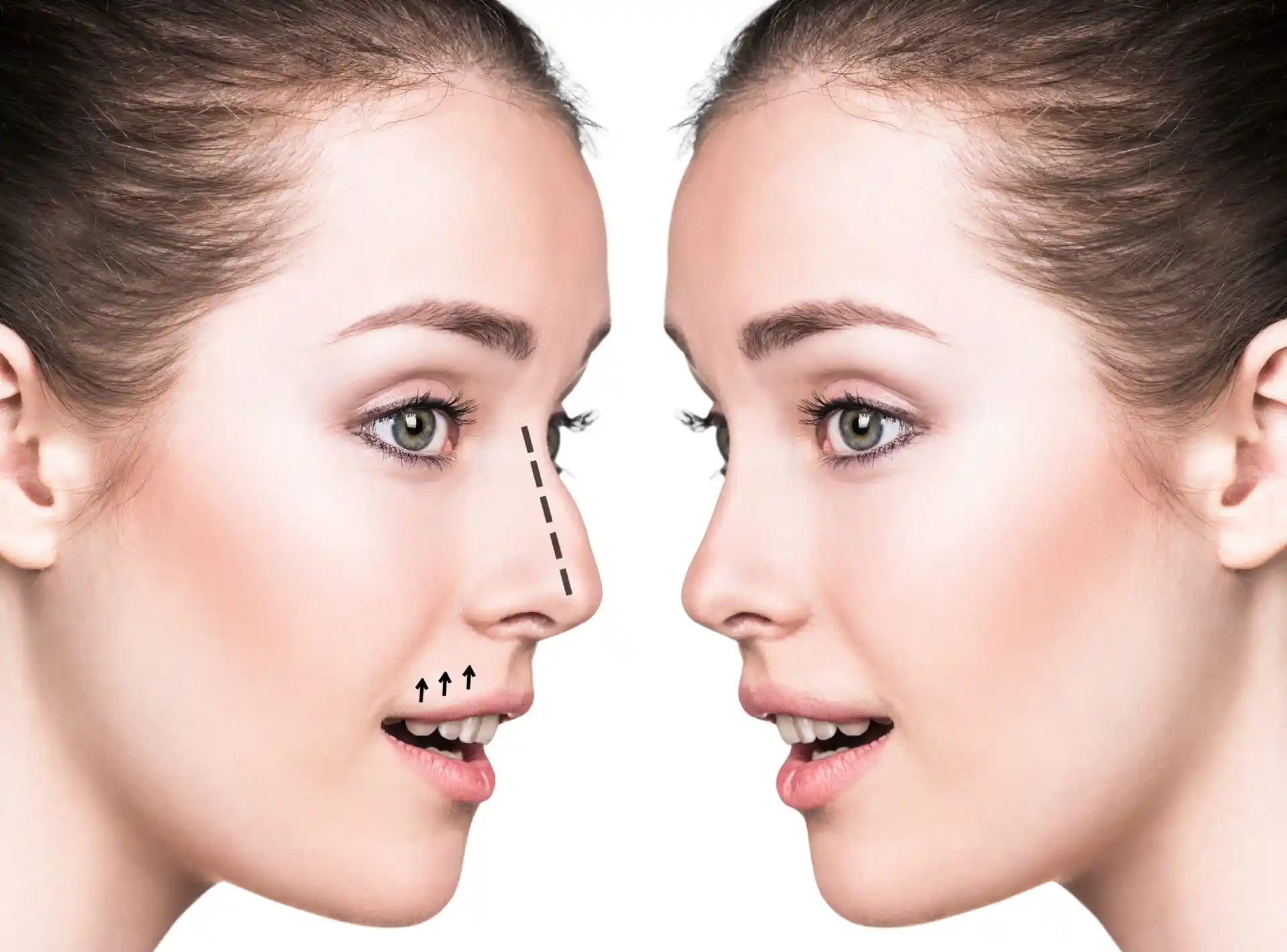
1. Understand What Your Skin Actually Needs
A good cosmetic facial treatment starts with understanding your skin, not guessing. Dullness, dryness, or unevenness can have many causes, like dehydration, the environment, hormones, or a weakened skin barrier. Before your treatment, talk about any sensitivities, products you use, recent treatments, medications, or ongoing skin issues. This helps your provider choose the right steps, whether that’s cleansing, exfoliating, massage, hydration, or something else.
2. Preparation Matters More Than You Think
Don’t use new acids, retinoids, or strong exfoliants right before your appointment unless a professional tells you to. Overdoing it can make your skin more sensitive during the facial. It’s also a good idea to come in with little or no makeup and let your provider know about any recent sun exposure, waxing, laser treatments, or injectables.
If your skin is mature or sensitive, gentle care is usually better than intense treatments. The goal is to protect your skin barrier and improve how your skin feels and looks, instead of chasing quick, dramatic results.
3. Ask About Hygiene and Individualisation
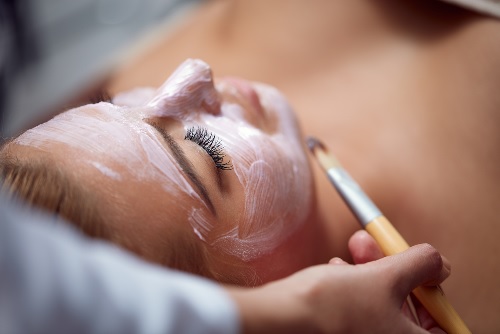
Facials should match your skin’s needs and what it can handle. A full treatment might include cleansing, analysis, exfoliation, deep cleaning, eyebrow shaping, massage, serum, a mask, and moisturiser. But not every step is right for everyone.

Cleanliness matters just as much. Keep tools, towels, hands, and surfaces clean, especially when extractions or close contact are involved. If you have redness, swelling, or sensitive skin, ask if gentler options like facial lymphatic drainage might work for you.
4. Know What Happens After Treatment
How you care for your skin after a facial affects how it feels. You might notice some redness, sensitivity, or tightness, depending on what was done. Follow your provider’s advice for cleansing and moisturising, and use sunscreen. Don’t pile on lots of active products just because your skin feels extra clean.

A facial is just one part of taking care of yourself. Drinking enough water, eating well, sleeping enough, managing stress, and protecting your skin from the sun are all key to keeping your skin healthy between visits.
5. Consider Your Wider Wellness Routine
Skin is closely connected with broader physiological health, although no facial can substitute for medical care. People exploring therapeutic fasting, for example, should distinguish cosmetic skincare from interventions intended to influence metabolism or other aspects of health. A well-supervised medical fasting program may involve screening, monitoring, tailored nutrition and professional oversight rather than simply abstaining from food.
This distinction matters because fasting is not universally appropriate, particularly for people with certain medical conditions or nutritional requirements. When considering therapeutic fasting, medical assessment should come first. Exercise can also form part of a carefully supervised wellness routine, with activities such as walking, Nordic walking, swimming or mobility work selected according to individual capacity.
If you do a medical fasting program, it should focus on careful planning, proper monitoring, and slowly returning to regular eating. Facials can be part of your self-care, but they aren’t a treatment for medical conditions.
An Integrated Approach at Schloss Warnsdorf
Schloss Warnsdorf blends the charm of an English country manor with personalised care, medical know-how, and a peaceful setting. Their approach goes beyond beauty, offering a long tradition of medically supervised Buchinger fasting. The all-inclusive program includes medical check-ups, lab tests, monitoring, special fasting meals, rest, and a wide range of exercise and relaxation options. Guests can join activities like walking, aqua gymnastics, and fitness classes, all with support from medical experts and trainers. The centre also offers wellness facilities, educational talks, and structured recovery, making it a place where prevention, healing, and healthy habits come together.
Conclusion
Choosing the right cosmetic facial treatment means considering your skin’s needs, getting professional advice, and keeping realistic expectations. Consistency gives better results than overdoing it. When you combine skincare with good sleep, nutrition, exercise, stress management, and healthy habits, you’re taking a smarter approach to long-term health and ageing. Instead of always looking for quick fixes, focus on treatments that respect your skin, health, and comfort over time.