Fashion as an Extension of Everyday Life
Personal style does not begin and end with the clothes someone wears outside. It can also reflect the way people organize their homes, choose everyday objects, and create comfortable spaces for relaxation. Clothing and interior design share several creative principles, including color coordination, balance, texture, and individual expression. Someone who enjoys relaxed streetwear might also appreciate a home environment that feels practical, welcoming, and visually distinctive. These connections do not mean that every room must match a wardrobe. Instead, they show how personal preferences can influence different parts of daily life while leaving room for variety and change.
Creating Comfort Through Everyday Choices
Comfort is important when selecting clothing and arranging a living space. Soft fabrics, practical layers, supportive seating, and useful storage can make ordinary routines feel easier. People often discover their preferences through experience, gradually identifying the textures, shapes, and arrangements that suit their lifestyle. Exploring Supreme Clothing can fit into this broader idea of choosing items that combine visual character with practical use. The same thoughtful approach can guide decisions about furniture, lighting, and everyday accessories. When comfort and appearance work together, personal choices feel more natural and remain useful beyond a single occasion.
Color Coordination Between Clothing and Interiors
Color can influence the overall mood of an outfit or a room. Neutral shades often create a calm foundation, while brighter colors and graphic patterns introduce energy and personality. Someone who frequently wears black, grey, cream, or navy might enjoy using similar shades in a home office or bedroom, although contrast can be equally appealing. The aim is not to create an identical color scheme everywhere but to understand which combinations feel balanced. Experimenting with color swatches, clothing combinations, and small decorative accents can help people discover preferences without making expensive or permanent changes.
The Role of Texture in Personal Style
Texture adds depth to clothing and interior spaces. Denim, cotton, knitwear, leather, wood, and woven materials each create a different visual and physical impression. Combining contrasting textures can make a simple outfit more interesting, just as pairing smooth surfaces with textured fabrics can give a room greater character. A Supreme Hoodie may provide a relaxed layer for an everyday outfit, while a knitted throw or textured cushion can bring a similar sense of softness to a living space. These examples demonstrate how material choices influence the experience of everyday objects as well as their appearance.

Building a Practical Everyday Wardrobe
A useful wardrobe should reflect the activities that fill a person’s day. Some people need comfortable clothing for working from home, while others prefer layers that transition easily between errands, social plans, and outdoor activities. Versatile pieces reduce the effort involved in putting together an outfit and can help prevent unnecessary purchases. Reviewing existing clothes before buying anything new is a practical way to identify genuine needs. The same principle applies to home organization: keeping frequently used items accessible and storing occasional belongings appropriately can make everyday routines more efficient.
Designing a Space That Supports Creativity
A home can provide an environment for reading, drawing, listening to music, studying, or developing personal projects. The best setup depends on available space and individual habits rather than expensive furniture or elaborate decoration. A clear desk, comfortable chair, useful lighting, and accessible storage may be enough to create a productive corner. Clothing can also support creative routines by allowing people to feel relaxed while working on personal interests. When a space and its everyday essentials reflect the user’s needs, it becomes easier to focus, experiment, and enjoy activities without unnecessary distractions.
Streetwear and the Influence of Urban Living
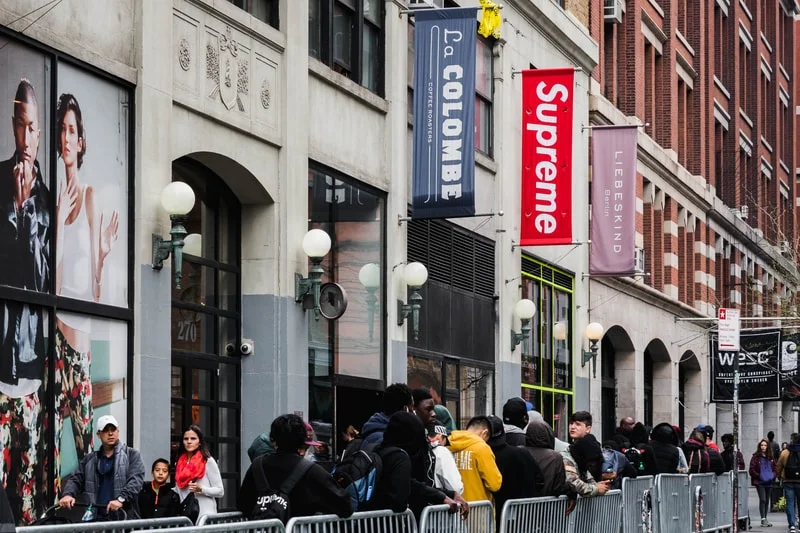
Urban environments often influence how people approach both clothing and their surroundings. Apartments, shared houses, compact rooms, and busy schedules encourage practical decisions about storage, comfort, and versatility. Streetwear responds to a similar need for adaptable clothing that can work across different settings. The idea of Supreme London can be explored within this wider relationship between urban culture, everyday style, and personal environments. City life brings together different aesthetic influences, giving people opportunities to interpret clothing and interiors in ways that suit their own routines rather than following a single prescribed look.
Making Small Spaces Feel Personal
Limited space does not prevent someone from developing a distinctive home environment. Thoughtful storage, multifunctional furniture, wall art, and carefully chosen accessories can add character without making a room feel crowded. Keeping everyday essentials organized also helps make smaller spaces more comfortable to use. Personal objects such as books, photographs, or artwork can introduce meaningful details without requiring a complete redesign. A similar approach works with clothing: a few well-chosen garments can provide numerous outfit combinations. In both cases, creativity comes from making effective use of what is available rather than constantly adding more possessions.

Balancing Visual Appeal With Function
An attractive object is most useful when it also serves a purpose. Clothing should fit comfortably and suit its intended use, while furniture and household accessories should support the activities for which they are chosen. Before purchasing something new, it helps to consider its dimensions, materials, maintenance requirements, and compatibility with existing belongings. A Supreme Hooded Sweatshirt can be considered for its appearance and how it works with other wardrobe pieces, just as a chair can be evaluated for its comfort and suitability for a particular room. Looking beyond first impressions often leads to more satisfying decisions.
Creating Better Routines at Home
Daily routines can become easier when clothing and personal belongings are arranged with intention. Preparing an outfit in advance, keeping frequently worn items together, and returning accessories to consistent locations can reduce the time spent searching for things. Similar habits can help with meal preparation, work sessions, and relaxation. These routines do not need to be rigid or complicated. The objective is to remove small obstacles that interrupt the day and make important activities easier to manage. A well-organized environment supports flexibility because people can spend less time dealing with clutter and more time doing what they enjoy.
Personal Expression Without Following Every Trend
Trends can provide inspiration, but personal preferences should guide the final decision. Someone may enjoy graphic streetwear while preferring a quiet, minimal home, or they may choose colorful clothing and equally expressive interiors. Neither combination is more authentic than the other. Personal style develops through exploration and the willingness to keep what feels right while leaving behind what does not. Buying fewer, more suitable items can also reduce clutter and unnecessary expense. The most satisfying choices are often those that support real habits and reflect individual character instead of trying to reproduce a perfect image seen online.
Caring for Clothing and Home Belongings
Maintenance helps clothing and household items remain useful for longer. Following garment care labels, cleaning surfaces appropriately, storing materials away from damaging conditions, and repairing minor issues can extend the life of everyday possessions. Different fabrics and materials require different methods, so it is important to follow relevant instructions rather than using one approach for everything. Organizing belongings also makes it easier to notice what needs attention. These habits can save money over time and encourage a more considered relationship with possessions. Care does not have to be complicated; consistency is often more valuable than elaborate routines.
Making Thoughtful Purchases for a Changing Lifestyle
Personal needs can change as people move, begin new activities, work different hours, or share their living spaces with others. A wardrobe or home setup that once worked perfectly may eventually need adjustments. Rather than replacing everything at once, people can make gradual changes based on their current priorities. Adding a useful clothing layer, reorganizing storage, or changing the lighting in a work area may provide a noticeable improvement. Considering how each purchase will be used helps keep decisions grounded in everyday reality. Flexibility makes it possible to adapt without turning every lifestyle change into a major expense.
Bringing Personal Style and Home Living Together
Clothing and home environments offer different opportunities for creative expression, yet both benefit from comfort, thoughtful organization, and an understanding of personal preferences. A wardrobe can be versatile without being large, and a living space can feel distinctive without being filled with decorative objects. By paying attention to color, texture, function, and maintenance, people can make choices that work together naturally. Streetwear provides one source of inspiration, but the final result should reflect the individual’s needs and interests. Personal style becomes more meaningful when it supports everyday life rather than creating additional pressure.
Making Everyday Life Feel More Personal
A satisfying lifestyle is built from many small decisions rather than one perfect purchase. Comfortable clothing, an organized room, meaningful accessories, and practical routines can all contribute to a better everyday experience. There is no single formula for combining fashion with home design because everyone’s circumstances and preferences are different. What matters is choosing things that feel useful, express individuality, and remain appropriate for real life. When personal style and home living are approached with the same thoughtful mindset, both can become more flexible, comfortable, and enjoyable without requiring constant change.