The right hat can make a big difference when you spend time outdoors. Whether you work on a job site, maintain a property, go hiking, or enjoy weekend activities, a suitable hat can improve comfort and help protect you from the elements.
However, not every hat works for every situation. Weather, material, fit, and intended use all matter when choosing the right style. By understanding these factors, you can find a hat that suits both your daily routine and your outdoor plans.
1. Consider Where You Will Wear Your Hat
First, think about how you plan to use your hat. Outdoor work often requires practical features, while weekend activities may call for a more casual style.
For example, people working outdoors may prefer durable caps that stay comfortable throughout a long shift. Hikers and campers may benefit from hats that provide shade and pack easily. Meanwhile, a classic Western hat can complement casual outfits and outdoor gatherings.

Consider your most common activities before making a choice. This helps you focus on useful features rather than appearance alone.
2. Choose the Right Material
A hat’s material affects its comfort, durability, and suitability for different weather conditions.
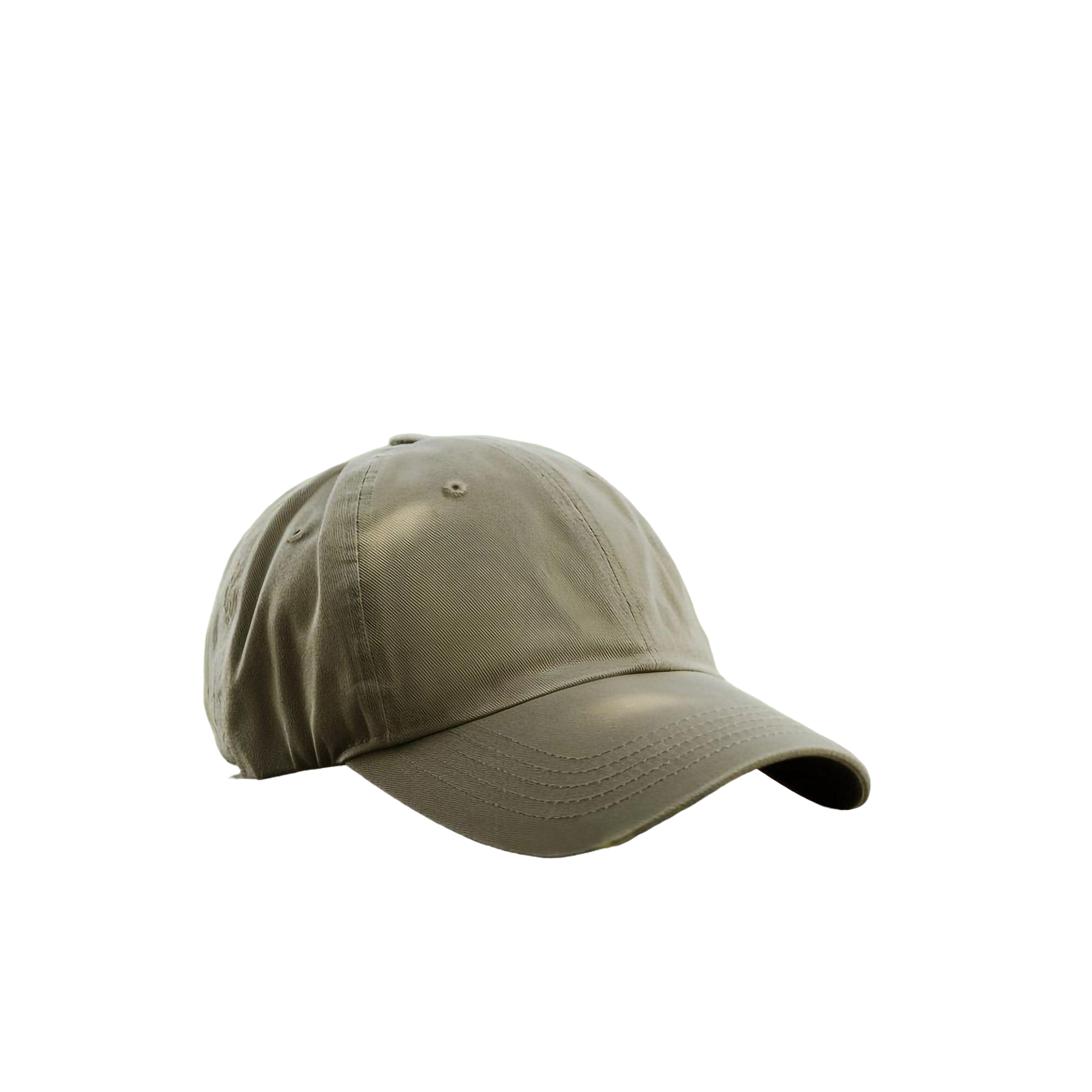
Cotton is a popular choice for everyday caps. It feels comfortable and works well for many casual activities. However, cotton can hold moisture, so it may not be ideal for every demanding outdoor task.
Polyester and performance fabrics can be useful for active days. Depending on their construction, these materials may dry quickly and help manage moisture.
Wool and felt are often associated with colder weather and traditional Western styles. They can provide warmth, although their suitability depends on the design and conditions.
Before buying, check the care instructions and material details. The best option is one that suits your activity level and the weather you expect.
3. Look for Weather Protection
Outdoor conditions can change quickly. Therefore, consider how much protection your hat provides against sun, wind, and light rain.
For sunny days, a cap or wide-brimmed hat can help shade your face. A wider brim may also protect your ears and neck, depending on the design.
If you spend time outdoors during cooler months, look for hats made from materials suited to lower temperatures. Some styles offer additional warmth, while others work better for mild weather.
However, a regular hat should not replace required protective equipment. If your workplace requires a hard hat or another certified safety helmet, follow those safety rules. A standard cap or Western hat is not a substitute for protective headgear.

4. Find a Comfortable and Secure Fit
A hat should feel comfortable from the moment you put it on. If it is too tight, it may cause discomfort during extended wear. If it is too loose, it may shift or fall off when you move.
Adjustable caps are useful because they allow you to change the fit. Fitted hats, on the other hand, require more careful sizing.
When choosing a Western hat, check the size and shape of the crown and brim. The hat should sit securely without creating pressure points.
Also, consider your hairstyle and whether you will wear the hat for a few minutes or several hours. A comfortable fit makes a noticeable difference during long outdoor days.
5. Balance Practicality with Personal Style
A good outdoor hat should match your activities and personal style. Fortunately, you do not always have to choose between the two.
Baseball caps offer a casual look for everyday errands and outdoor tasks. Western hats provide a distinctive style that pairs well with cowboy boots, jeans, and Western clothing. Meanwhile, outdoor hats with wider brims can be useful for hiking, camping, and other activities where shade matters.
Brands such as Ariat and Wrangler are associated with Western and casual apparel. Their styles may be worth exploring when building a coordinated outdoor wardrobe. Check current product availability and specifications before choosing a particular hat.
6. Care for Your Hat Properly
Regular care helps your hat maintain its shape and appearance. However, cleaning methods vary by material.
For fabric caps, follow the manufacturer’s washing instructions. Avoid harsh cleaning methods that could damage the fabric or alter the fit.
For felt or structured Western hats, use a suitable brush and follow the manufacturer’s care guidance. Store the hat in a clean, dry place where the brim and crown will not become crushed.
After outdoor use, remove dirt and allow the hat to dry properly before storing it. These simple steps can help extend its useful life.
Find a Hat That Fits Your Outdoor Lifestyle
Choosing the right hat starts with understanding your needs. Consider where you will wear it, the weather you face, and how much comfort and protection you require.
Next, compare materials, fit, and design. A practical cap may suit everyday work, while a Western hat may be a better choice for casual outings and traditional Western style.
By focusing on function first and style second, you can find a hat that works for your outdoor routine. Explore the available accessories at Chuck’s Boots to discover options that complement your workwear, footwear, and everyday style.