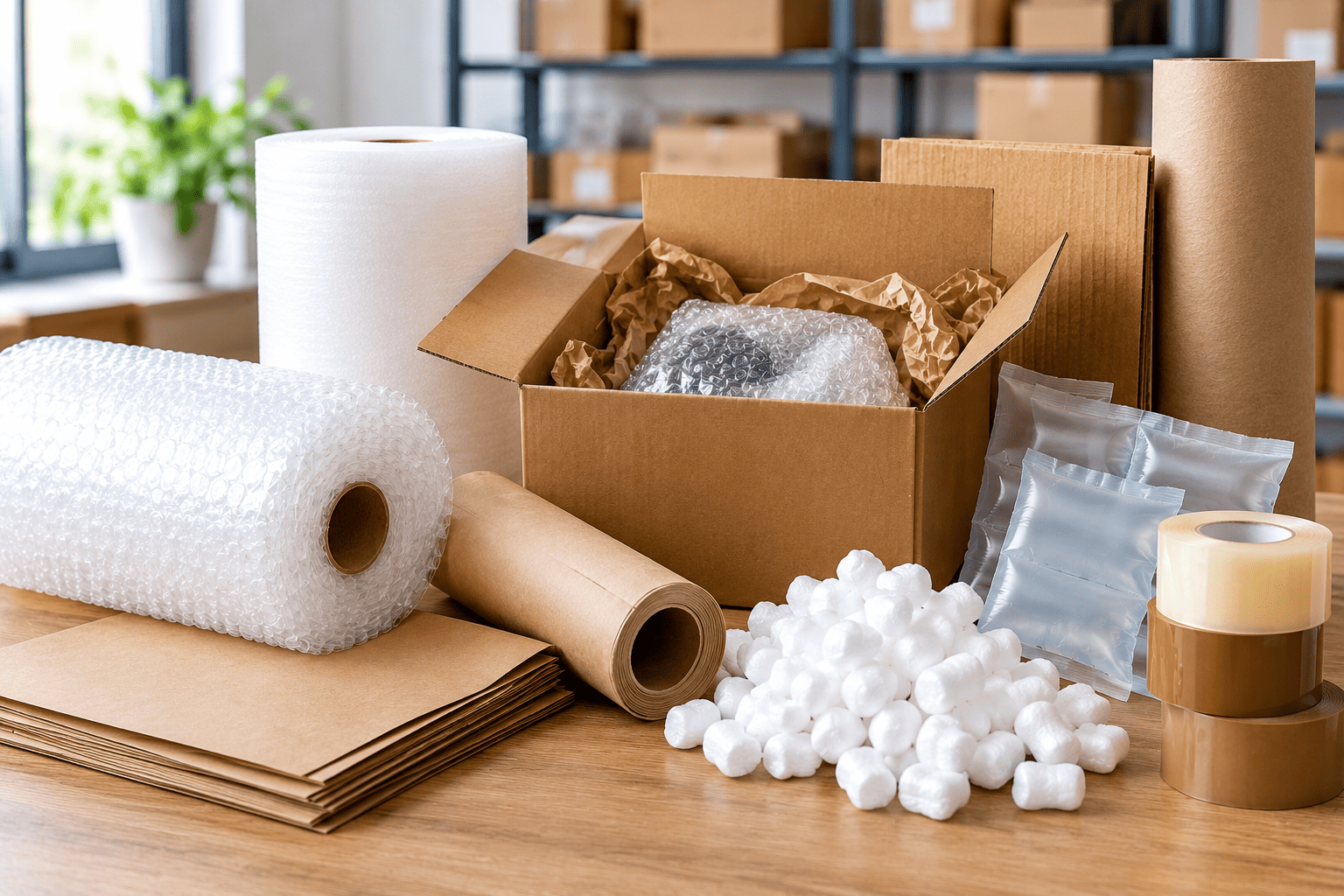
Protection doesn’t start when you seal the box. It starts when you pick the materials. A ceramic mug heading to a customer, a television moving between warehouses and a pallet of machine parts all need different levels of cover. Choose wrong, and you’re dealing with broken stock, annoyed customers, and returns nobody wants. Get it right, and packing gets much easier. Nobody really enjoys repacking a parcel that came back in pieces. If you’re new to shipping or rethinking your setup, this guide walks you through the main protective packaging materials, what each one does, and where to use them. We’ll also cover ways to keep products safe without piling on unnecessary packaging.
TL;DR
- Bubble wrap and foam cushion fragile items and prevent scratches
- Paper rolls, honeycomb wraps, and fill protect in different ways
- Air cushions fill space without adding much weight
- Edge guards and corner protectors stop crushing and impact damage
- Strapping and pallet protection keep big unnecessary packaging
Types of Protective Packaging Can You Choose?
There’s no single fix for every parcel. The right pick depends on your product’s weight, shape, fragility and the journey it faces. Here are the main options
Bubble Wrap and Bubble Pouches
Bubble wrap uses air pockets to soften knocks during handling. Pouches save time when you pack small items often.

- Small bubbles suit cosmetics, glassware and small retail items
- Large bubbles suit bigger items that need extra cushioning
- Pouches suit jewellery boxes, accessories and small parts
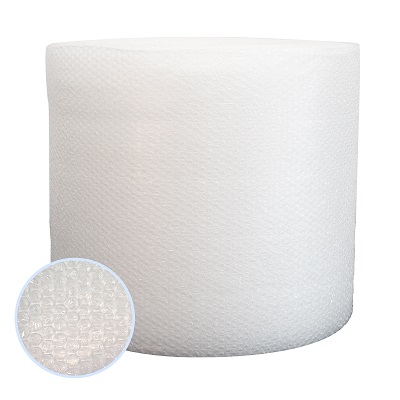
An online gift shop could wrap a glass candle jar before putting it in a snug shipping box.
Foam Wrap and Furniture Protection
Foam provides a soft barrier between a product and anything that touches it. It’s great when scratches worry you as much as knocks.
- Foam rolls wrap polished wood and plastic parts
- Furniture rolls protect cabinets, tables and sofas
- Foam edge guards cover panel and flat-pack edges
A furniture piece, like a lacquered bedside table, could use foam on the finish and edge guards.
Corrugated Paper and Honeycomb Wrap
Paper-based cover suits sellers who want an alternative to plastic. Corrugated paper adds flexibility, while honeycomb paper expands to hug the product.
- Corrugated rolls wrap odd shapes and surfaces
- Honeycomb rolls cushion ceramics and ship homeware
- Honeycomb sleeves form a shaped layer around bottles
Loose Fill and Paper Void Fill
Loose fill fills the space around goods so nothing slides around. It works best when one carton holds multiple items.
- Biodegradable chips settle into gaps and cushion items
- Paper void fill holds products in position
- Packing peanuts fill awkward spaces around odd shapes
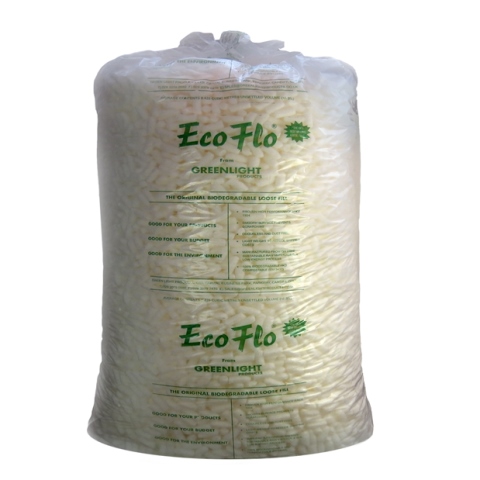
Picture an electronics shop packing several accessories together. Filling the gaps stops them from knocking.
Air Cushions and Inflatable Packaging
Air pillows are light cushions that fill the gap between a product and its carton. They suit busy dispatch areas where speed and storage space matter.
- Pre-inflated cushions work straight away, no equipment needed
- Inflatable film rolls let you make cushions on demand
- Quilt-style cushions give a wider protective layer
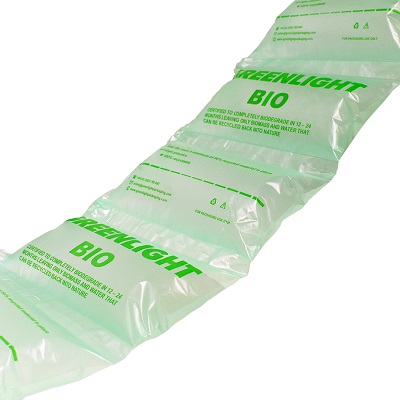
If you ship hundreds of parcels daily, an air pillow machine can inflate cushions right at the packing station. Pick a system that matches your volume, space and film.
Edge Guards, Corner Protectors and Polystyrene
Some products are weakest at the corners and edges. Shaped protection makes a real difference there.

- Cardboard edge protectors strengthen edges and spread pressure
- Foam corner protectors cushion furniture and panel corners
- Polystyrene sheets and corners give shaped cushioning
A maker shipping glass panels or finished boards can pair edge protection with a sturdy outer carton to avoid chipped corners.
Layer Pads and Pallet Protection
With bulk loads, wrapping single items isn’t enough. The whole pallet must stay steady in storage, loading, and transport.
- Layer pads separate carton layers and even out stacking
- Pallet cones warn that a pallet shouldn’t be stacked
- Stretch wrap holds grouped cartons together
For heavy consignments, steel strapping can secure suitable pallets. Choose the right specification and tension, and use proper handling equipment.
How Do You Choose the Right Protection?
Start with the risks your product faces, not every material on the shelf. This table gives you a starting point.
| Product or Situation | Protection to Consider |
| Glassware and ceramics | Bubble wrap, foam, and void fill |
| Furniture and polished surfaces | Foam rolls and corner guards |
| Bottles and decorative gifts | Honeycomb sleeves and cushioning |
| Mixed online orders | Paper void fill or air cushions |
| Electronics and accessories | Suitable cushioning and snug cartons |
| Heavy palletised goods | Layer pads, edge guards and strapping |
Remember, these materials work as a system. A fragile item still needs a suitable outer box, and cushioning won’t help if the product can move freely.
What Mistakes Should You Avoid When Packing Products?
Good materials still fail when used badly. Check these before dispatch.
- Using an oversized box with room to move
- Wrapping fragile items loosely or leaving corners bare
- Using light cushioning on heavy items
- Ignoring stacking pressure on pallets
- Skipping disposal and compatibility checks
Try a quick test: pack a sample, gently shake the closed box and see if anything shifts.
Conclusion: How Can You Pack With Confidence?
Protective packaging doesn’t have to be complicated. Identify what could damage your product, then choose materials that address those risks. Test your combinations, adjust where damage occurs, and make deliveries far more reliable.
FAQs
- What is protective packaging?
It’s any material that cushions, wraps or secures products in transit.
- Which material is best for fragile items?
Bubble wrap and foam, paired with filler and a sturdy box.
- Are paper-based materials recyclable
Often, but it depends on coatings and local facilities.
- Should you use air pillows?
For filling space in lightweight parcels, especially at very high order volumes.
- How can you reduce packaging waste?
Use right-sized boxes, the right amount of cushioning, and review damaged shipments.