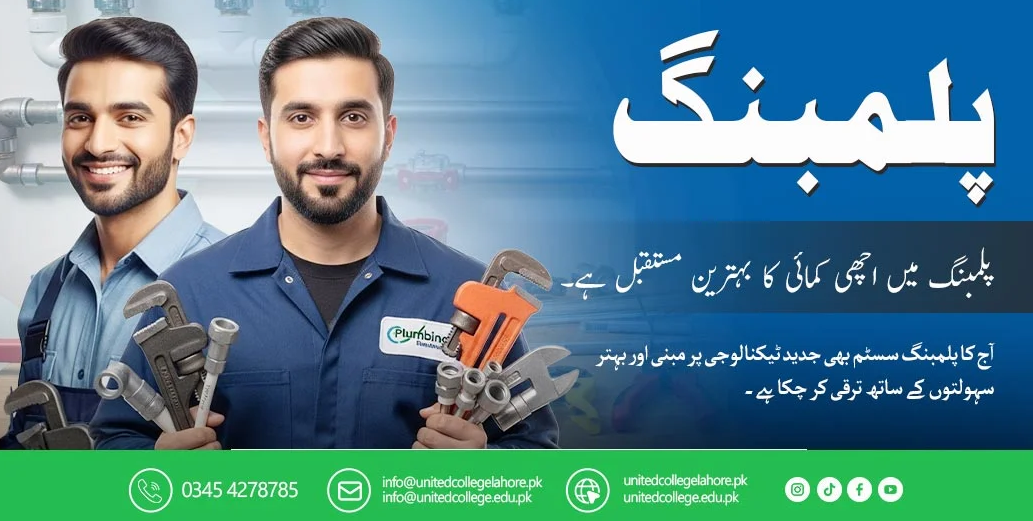
Introduction
Starting a career in a skilled trade can be challenging for students who have little or no professional experience. Plumbing offers practical career opportunities for individuals who enjoy technical work, problem-solving, and hands-on learning. However, beginners need basic knowledge and practical skills to prepare for workplace responsibilities. A plumbing certificate can help students build this foundation, demonstrate their training, and take their first step towards employment in the plumbing industry.
Building Essential Plumbing Skills
A plumbing certificate shows that a student has completed training in essential plumbing concepts and techniques. During a training course, students can learn about water supply systems, drainage networks, pipes, fittings, valves, and common plumbing tools.
These skills help beginners understand how plumbing systems operate in residential, commercial, and industrial buildings. Students may also learn to identify leaks, repair damaged fittings, and recognise common problems in water and drainage systems.
Developing these abilities gives students a stronger starting point when applying for entry-level positions or seeking practical experience under an experienced plumber.

Improving Employment Opportunities
Many employers look for candidates who have relevant training and understand basic workplace procedures. Although a certificate does not guarantee employment, it can help students demonstrate their commitment to learning a trade.
After completing suitable training, beginners may explore opportunities such as:
- Plumbing assistant
- Trainee plumber
- Plumbing helper on construction sites
- Building maintenance assistant
- Junior plumbing technician, where the employer’s requirements are met
These positions can help students gain professional experience, understand workplace expectations, and gradually develop more advanced technical abilities.
Gaining Confidence Through Practical Training
Classroom knowledge is important, but plumbing requires hands-on practice. Students benefit from learning how to measure and cut pipes, connect fittings, use tools safely, and identify faults in plumbing systems.
Practical training also helps learners understand how to approach tasks step by step. Instead of relying only on theoretical information, they can become familiar with the equipment and methods used in everyday plumbing work.

This experience can make students more confident when attending interviews or beginning supervised work. They can explain the skills they have practised and show a willingness to continue learning.
Understanding Workplace Safety
Safety awareness is another important part of preparing for a plumbing career. Beginners should understand how to handle tools correctly, keep their work areas organised, and recognise potential hazards. Training can introduce students to safe working practices involving water systems, ladders, protective equipment, and appropriate procedures for different tasks. Students must also learn when a job requires supervision or a qualified professional.
These habits help new workers become more responsible and prepare them for the expectations of construction companies, maintenance departments, and plumbing service providers.
Creating Opportunities for Career Growth
A plumbing certificate can be the beginning of a longer professional journey. After gaining experience, students may progress from assistant roles to more independent plumbing responsibilities, depending on their competence, employer requirements, and any necessary licensing.
Experienced professionals may later specialise in areas such as pipe installation, building maintenance, water supply systems, or drainage services. Some may also consider starting a small plumbing service after developing sufficient technical experience, business knowledge, and an understanding of local requirements.
Continuous learning is essential because plumbing methods, materials, and building systems can change over time. Combining formal training with workplace experience can help students strengthen their long-term career prospects.
final thoughts
A plumbing certificate can help students take their first career step by providing foundational knowledge, practical skills, and evidence of relevant training. It may improve their readiness for entry-level jobs, support their confidence, and introduce them to essential safety practices. However, career progress also depends on practical ability, reliability, communication, and continued learning. By choosing suitable training and gaining supervised experience, students can build a strong foundation for a future in the plumbing industry.