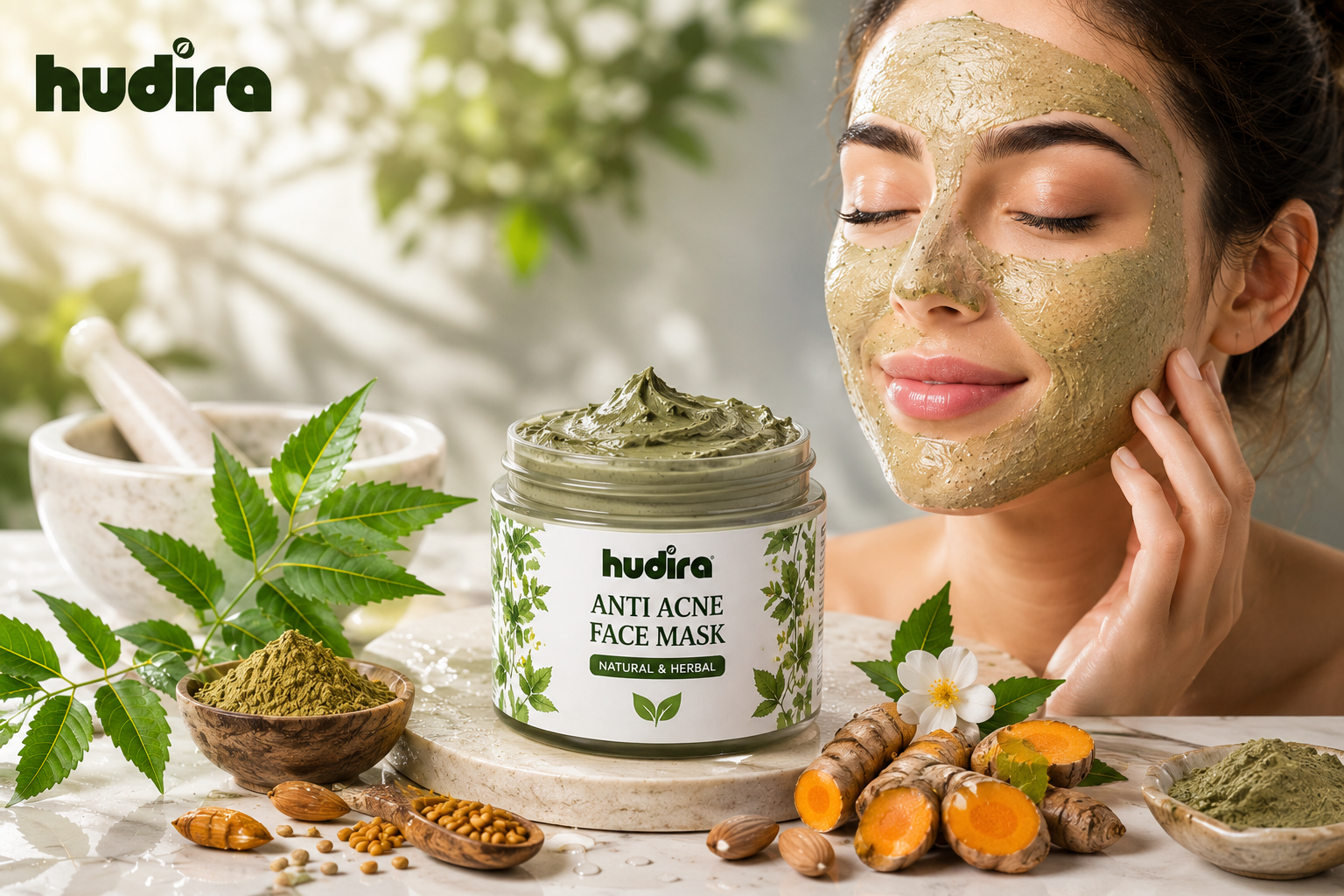
Acne-prone skin can be challenging to manage, especially when breakouts, excess oil, and clogged pores become part of your daily concerns. A consistent skincare routine can help you care for your skin without relying on too many products. Adding a suitable anti acne face mask may be an option for people looking to complement their regular skincare routine.
However, choosing the right product requires understanding your skin type, checking ingredients, and following appropriate skincare practices.
What Is an Anti Acne Face Mask?
An anti acne face mask is a skincare product formulated to support the care of acne-prone skin. Depending on its ingredients, a mask may help absorb excess oil, provide hydration, or improve the appearance and texture of the skin.
Not every face mask works the same way. Some formulations focus on oil control, while others contain ingredients intended to exfoliate or moisturize. It is important to review the product label and select a formula that suits your skin’s needs.

Face masks should be considered an additional skincare step rather than a replacement for established acne treatments.
Common Skincare Concerns for Acne-Prone Skin
Understanding common skin concerns can help you choose products more thoughtfully.
Excess Oil
Excess oil can contribute to clogged pores in some people. Products formulated for oily skin may help manage surface shine, but overly drying products can irritate the skin.
Clogged Pores
When oil and dead skin cells accumulate inside pores, blemishes can develop. Certain skincare ingredients, including salicylic acid, are commonly used in products intended to address clogged pores. Check the formulation before choosing a face mask.
Uneven-Looking Skin Texture
Breakouts can leave skin looking uneven. A consistent routine with suitable products can support overall skin care, although persistent acne and scarring may require professional treatment.
Skin Sensitivity
Acne-prone skin can also be sensitive. Strong exfoliants, fragrance, and harsh cleansing products may cause irritation in some individuals. Choosing gentle products can help avoid unnecessary stress on the skin.
How to Choose the Right Anti Acne Face Mask
Selecting an anti acne face mask involves more than choosing a popular product. Consider these factors before making a decision.
1. Check the Ingredients
Read the ingredient list carefully. Ingredients such as salicylic acid may be useful for certain acne concerns, while lightweight moisturizers can help support skin hydration. Clay-based formulations may help absorb excess surface oil.
The suitability of an ingredient depends on its concentration, the overall formula, and your skin’s tolerance. Avoid assuming that every product marketed for acne contains the same active ingredients.
2. Consider Your Skin Type
Oily, dry, combination, and sensitive skin can respond differently to skincare products. Choose a mask based on your individual needs rather than selecting one simply because it is trending.
If your skin is easily irritated, start cautiously and avoid introducing several new products at once.
3. Avoid Overly Harsh Products
Using multiple exfoliating products or applying a mask too frequently may lead to dryness and irritation. A damaged skin barrier can make your skin feel uncomfortable and may worsen the appearance of breakouts.
Always follow the product instructions and discontinue use if you experience persistent irritation.
4. Look for Clear Product Information
Before purchasing, check the product description, ingredients, application instructions, and suitability information. Clear product details help you make a more informed decision.
How to Use an Anti Acne Face Mask
Using a face mask correctly can help you incorporate it into your routine more comfortably.
Step 1: Cleanse gently. Wash your face with a mild cleanser and lukewarm water. Avoid aggressive scrubbing.
Step 2: Read the directions. Different masks have different application methods and recommended usage times.
Step 3: Apply as instructed. Follow the product label and avoid sensitive areas around the eyes and lips.

Step 4: Remove it properly. Rinse or remove the mask according to the manufacturer’s directions. Do not leave it on longer than recommended.
Step 5: Moisturize if appropriate. Use a suitable moisturizer to help maintain skin hydration.
Step 6: Protect your skin. Use broad-spectrum sunscreen during the day, particularly if your routine includes ingredients that can increase sensitivity to sunlight.
Patch testing a new product may help identify some potential reactions, although it cannot guarantee that irritation will not occur. If burning, itching, or significant redness develops, remove the product and stop using it.
Why a Consistent Skincare Routine Matters
Changing products too frequently can make it difficult to understand what works for your skin. A simple routine is often easier to maintain.
Consider including these basic steps:
- A gentle cleanser to remove dirt, oil, and makeup.
- A suitable moisturizer to support the skin barrier.
- Sunscreen during the day.
- Acne treatments recommended for your particular skin concerns.
- An optional face mask that complements your existing routine.
Avoid picking or squeezing blemishes, as this can increase inflammation and the risk of scarring or dark marks.
If acne is painful, persistent, or leaving scars, consult a qualified dermatologist for appropriate treatment.
Discover the Anti Acne Face Mask from Hudira
Finding suitable skincare products begins with understanding your skin’s needs and reviewing the available product information. Hudira offers a dedicated product page for its anti acne face mask, where you can explore the product details before deciding whether it fits your skincare preferences.
Before use, review the listed ingredients and instructions, especially if you have sensitive skin or already use acne treatments.
Explore the product here:
Visit Hudira to learn more about the anti acne face mask and explore the product information available on its official website.
Conclusion
Caring for acne-prone skin requires patience, consistency, and thoughtful product selection. An anti acne face mask may complement a skincare routine when its formulation suits your needs, but it should not replace appropriate acne treatment.
Check the ingredients, follow the application instructions, and avoid using too many potentially irritating products at once. With a sensible routine and professional guidance when necessary, you can make more informed choices about your skincare.
Explore Hudira’s anti acne face mask product page to learn more about this skincare option.
Frequently Asked Questions
1. What is an anti acne face mask?
An anti acne face mask is a skincare product designed to complement routines for acne-prone skin. Its potential benefits depend on its ingredients and formulation.
2. How often should I use an anti acne face mask?
Follow the instructions on the product label. The appropriate frequency depends on the formulation and your skin’s tolerance.
3. Can an anti acne face mask replace acne treatment?
No. A face mask should not be considered a replacement for proven acne treatments. Consult a dermatologist if your acne is persistent, painful, or causing scars.
4. Is an anti acne face mask suitable for sensitive skin?
Not every mask is suitable for sensitive skin. Review the ingredients, avoid known irritants, and patch test cautiously before applying a new product more widely.
5. Should I moisturize after using a face mask?
A suitable moisturizer can help maintain skin hydration after masking. Follow the product directions and choose a moisturizer appropriate for your skin.
6. Where can I find Hudira’s anti acne face mask?
You can review Hudira’s product information on its official page.