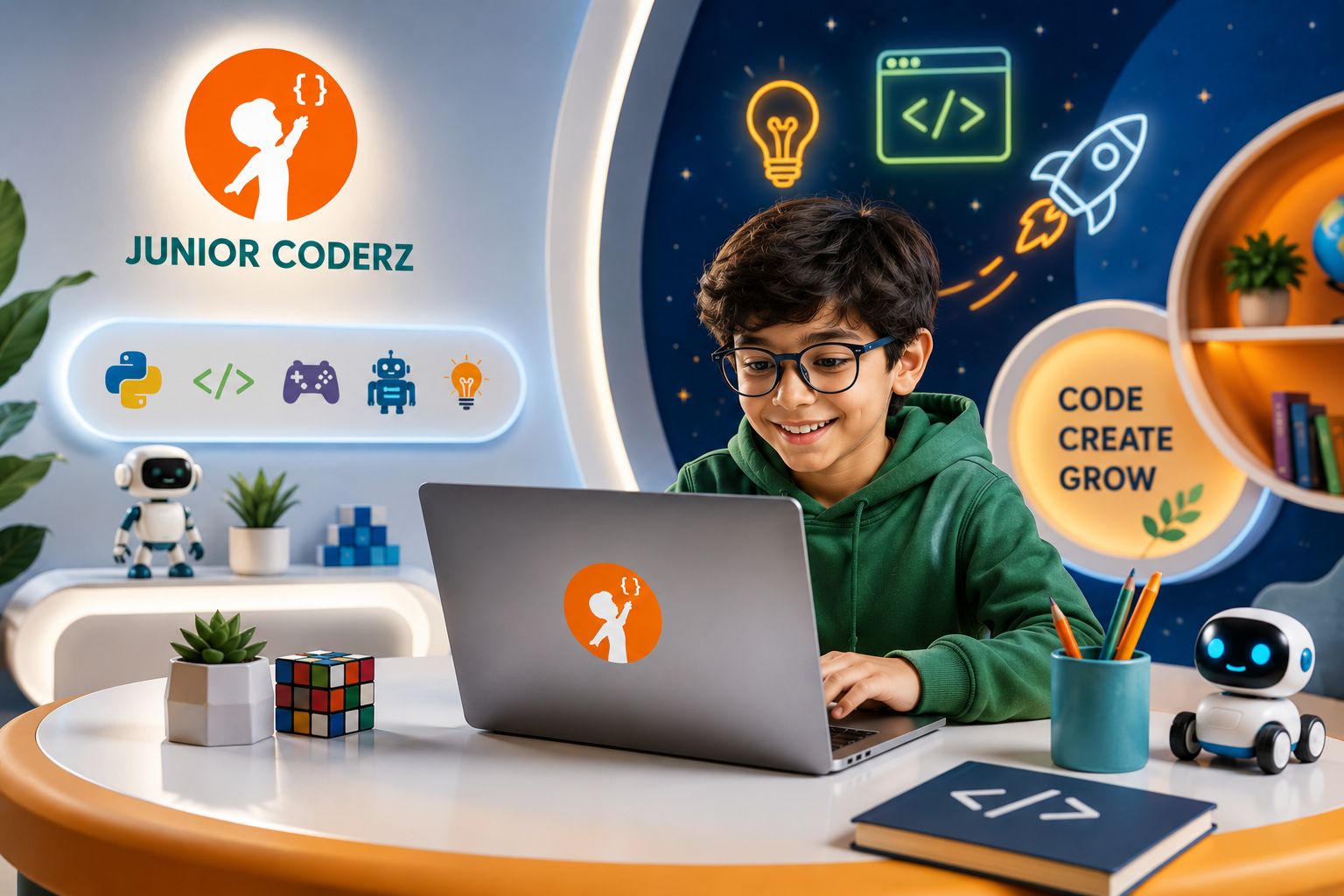
Technology is changing how people learn, communicate, and solve everyday problems. Introducing children to programming at an appropriate age can help them understand how digital tools work and encourage them to explore their own ideas. Learning coding skills for kids is not just about writing computer instructions; it also provides opportunities to practice creativity, logical thinking, and problem-solving.
Why Are Coding Skills Important for Kids?
Coding introduces children to a structured way of thinking. When they create a program, they learn to organize instructions, identify patterns, and test whether their ideas work as expected.
These experiences can help children develop patience and confidence as they work through challenges. Coding projects also encourage experimentation, allowing young learners to explore different solutions and learn from mistakes.
Essential Coding Skills Children Can Develop
1. Scratch Programming
Scratch is a beginner-friendly, block-based programming platform. Children can connect visual coding blocks to create animations, interactive stories, and simple games.

It helps beginners understand programming concepts such as sequences, loops, events, and conditions without needing to memorize complex syntax.
2. Python Programming
Python is a widely used programming language that introduces learners to text-based coding. Children can gradually explore variables, loops, functions, and basic algorithms through guided exercises and practical projects.
As their understanding grows, they can apply these concepts to more advanced programming activities.
3. Game Development
Game development combines programming with creativity and design. Young learners can explore how characters move, how scores are calculated, and how game rules affect the player’s experience.
Building a simple game can also encourage planning, testing, debugging, and improving a project over time.
4. Web and App Development
Web development introduces children to the building blocks of websites, including HTML, CSS, and JavaScript. These technologies help learners understand how web pages are structured, styled, and made interactive.
App development introduces related concepts, such as designing an interface and thinking about how users interact with digital products.
5. Robotics and Electronics
Robotics connects programming with physical systems and engineering concepts. Depending on the learning environment, children may explore virtual robots, basic circuits, sensors, or automated actions.

These activities help demonstrate how software instructions can influence the behavior of machines and electronic devices.
6. Artificial Intelligence and Machine Learning
Age-appropriate AI education can introduce children to how computers identify patterns, process information, and generate outputs. Learners may explore basic machine learning ideas, image recognition, or simple AI-powered projects.
Understanding these concepts can also encourage children to think critically about technology, including its limitations and responsible use.
7. 3D Modeling and Digital Design
3D modeling allows children to create and modify three-dimensional objects using digital tools. It can help them explore shapes, spatial awareness, visual design, and the process of turning an idea into a digital model.
Combined with programming, 3D design can support creative projects such as game assets, virtual environments, and product concepts.
How Can Parents Help Children Learn Coding?
Parents can make the learning experience more enjoyable by considering a few practical factors:
- Start at the right level: Choose lessons that suit the child’s age, interests, and previous experience.
- Encourage project-based learning: Small games, animations, and websites give children a chance to apply what they learn.
- Make room for experimentation: Allow children to test ideas, solve errors, and explore alternative solutions.
- Focus on progress: Celebrate new concepts learned and projects completed rather than expecting instant results.
- Choose structured guidance: Well-organized lessons and helpful instructor feedback can support a child’s learning journey.
The best learning path is one that balances guidance with opportunities for independent exploration.
Explore Coding Skills with Junior Coderz
Children can explore different areas of technology as their interests and abilities develop. Junior Coderz offers learning opportunities covering subjects such as Scratch, Python, game development, app development, web development, robotics, 3D modeling, and artificial intelligence.
Parents who want to learn more about these subjects can visit the coding skills for kids programs at Junior Coderz to explore the skills covered and find relevant learning options.
Conclusion
Developing coding skills can give children an engaging way to understand technology, express creativity, and practice problem-solving. From beginner-friendly Scratch projects to Python programming, robotics, and AI, each subject offers a different way to explore the digital world.
With age-appropriate instruction, practical projects, and consistent practice, children can gradually build their knowledge and discover which areas of technology interest them most.