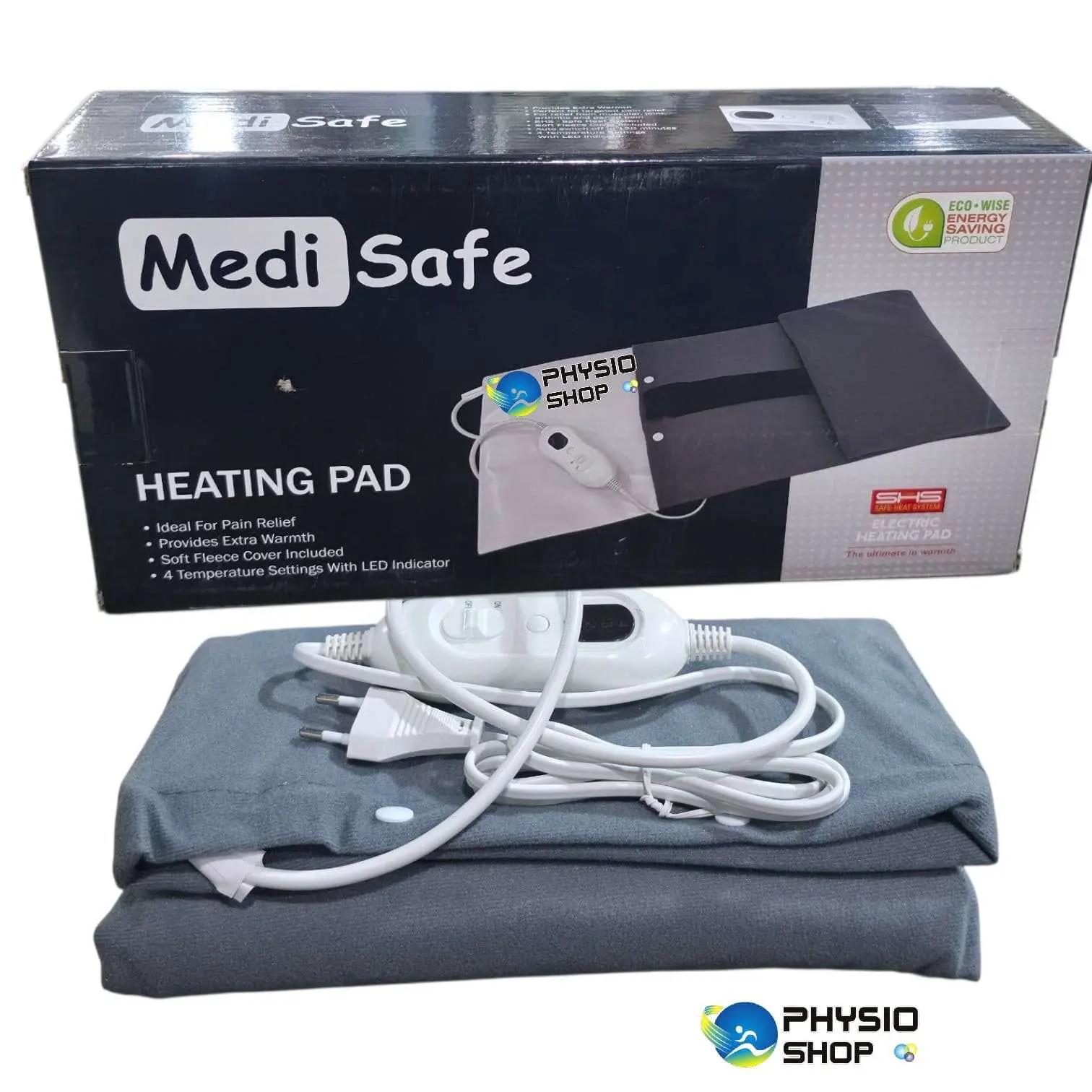
Electric heating pads are a popular household solution for relieving muscle soreness, back pain, menstrual cramps, joint stiffness, and everyday body aches. They provide convenient warmth and can help relax tense muscles, making them a useful addition to many people’s comfort routines.
However, some users have concerns about their long-term safety. Two common questions are: Can electric heating pads cause cancer? And do electric heating pads emit radiation?
These concerns are understandable, especially when using an electrical device close to your body for extended periods. The good news is that current scientific evidence does not establish that ordinary electric heating pad use causes cancer. However, it is important to understand electromagnetic fields, heat-related risks, and the precautions that make these devices safer to use.
In this guide, we explain what the research says, how electric heating pads work, and how to use them responsibly.

What Is an Electric Heating Pad?
An electric heating pad is a device that uses electrical energy to generate controlled heat. It typically contains insulated heating elements, a fabric cover, and a control unit that allows users to select a temperature or heat setting.
This warmth may help relax tight muscles, temporarily relieve aches, and improve comfort.
Electric heating pads are commonly used for:
- Back and neck discomfort
- Muscle soreness and stiffness
- Menstrual cramps
- Mild joint aches
- Temporary relief from everyday muscle tension
Although heating pads can provide temporary symptom relief, they do not necessarily treat the underlying cause of pain.
Can Electric Heating Pads Cause Cancer?
Current scientific evidence does not establish that using a standard electric heating pad causes cancer.
Electric heating pads produce heat and may generate low-frequency electromagnetic fields when electricity flows through their internal wiring. These fields are a type of non-ionizing radiation, which differs significantly from the ionizing radiation associated with X-rays and certain radioactive materials.
According to the National Cancer Institute, most studies of everyday exposure to extremely low-frequency electromagnetic fields have not found a consistent association with cancer. Some research has raised questions about certain levels of long-term magnetic-field exposure, but the evidence remains inconclusive and does not establish a cause-and-effect relationship for electric heating pad use.
It is important to distinguish between a possible association investigated in research and evidence that a product causes cancer. There is currently insufficient evidence to conclude that ordinary use of an electric heating pad increases cancer risk.
Understanding Electromagnetic Fields and Cancer Risk
Electromagnetic fields, commonly called EMFs, are produced by electricity and many everyday electrical appliances. Their potential effects depend on factors such as frequency, field strength, exposure duration, and distance from the source.
There are two broad categories of electromagnetic radiation:
1. Ionizing radiation
Ionizing radiation includes X-rays and gamma rays. It carries enough energy to damage DNA directly and can increase cancer risk under certain exposure conditions.
2. Non-ionizing radiation
Non-ionizing radiation includes extremely low-frequency fields from electrical appliances, radio waves, and infrared radiation. These forms do not have enough energy to ionize atoms or directly damage DNA in the same way as X-rays.
Electric heating pads primarily use electrical energy to produce heat. The low-frequency electromagnetic fields associated with their electrical components should not be confused with ionizing radiation.
For further information, the National Cancer Institute provides a detailed review of electromagnetic fields and cancer.
Do Electric Heating Pads Emit Radiation?
Yes, electric heating pads can produce low-frequency electromagnetic fields, but they do not operate like X-ray machines or other sources of ionizing radiation.
The word “radiation” can sound alarming, but it describes different forms of energy. Not all radiation has the same properties or health effects.
When electricity flows through the wires inside a heating pad, it can produce electric and magnetic fields. These fields are generally classified as extremely low-frequency, non-ionizing electromagnetic fields.
What Type of Radiation Do Heating Pads Produce?
The electromagnetic fields associated with ordinary electric heating pads are similar in general type to those produced by other household electrical appliances.
They are different from ionizing radiation because they do not carry enough energy per photon to directly break chemical bonds or damage DNA in the way X-rays can.
The National Cancer Institute explains that non-ionizing electromagnetic fields have not been consistently linked to cancer in most studies of everyday residential exposures.
However, it is also important not to interpret this as proof that every possible exposure level or device design is risk-free. The actual electromagnetic field strength depends on the device’s construction, wiring, electrical current, and distance from the body.
Can You Reduce Exposure to Electromagnetic Fields?
If you are concerned about electromagnetic field exposure, you can take a few practical steps:
- Choose a heating pad from a reputable manufacturer.
- Follow the manufacturer’s instructions for positioning and use.
- Switch the pad off and unplug it when you finish using it, if the instructions recommend doing so.
- Avoid unnecessary prolonged use, especially when heat is no longer needed.
- Consider a non-electric alternative, such as a warm-water bottle designed for safe use, if you prefer to avoid electrical devices.
Distance can reduce exposure to magnetic fields from many electrical appliances. However, there is no established need to stop using a properly functioning heating pad solely because it may produce low-frequency electromagnetic fields.
Electric Heating Pads Safe to Use Every Day or not;
For many people, an electric heating pad can be used safely when the manufacturer’s directions are followed. However, daily use should depend on the purpose, duration, temperature, and the user’s health circumstances.
The most immediate safety concern is generally not cancer but burns and heat-related skin injuries.
Prolonged exposure to low-level heat can cause a condition known as erythema ab igne, which may produce a netlike pattern of skin discoloration. Repeated excessive heat exposure can also cause burns, particularly when a person has reduced sensation or cannot easily move away from the heat source.
To use an electric heating pad more safely:
- Start with a low heat setting. Increase the temperature only if necessary and comfortable.
- Follow the recommended session duration. Many products are intended for limited sessions rather than continuous use.
- Place a protective fabric layer between your skin and the pad when the manufacturer’s instructions permit it.
- Never sit or lie with your full body weight on a pad unless it is specifically designed for that purpose.
- Do not use a damaged pad or frayed electrical cord.
- Avoid sleeping with the heating pad switched on unless the product is specifically designed and approved for that type of use.
- Inspect your skin regularly for redness, irritation, or discoloration.
People with diabetes-related neuropathy, reduced skin sensation, circulation problems, or difficulty communicating discomfort should seek professional advice before using a heating pad. Extra caution is also appropriate when using heat on injured or recently operated areas.
Can Electric Heating Pads Damage Your Skin?
Yes. Excessive heat or prolonged contact can damage the skin, even when a heating pad does not feel extremely hot at first.

Potential problems include:
- Redness and irritation
- Superficial or deeper burns
- Persistent skin discoloration from repeated heat exposure
- Worsening discomfort in certain acute injuries
A heating pad should feel comfortably warm, not painfully hot. If you notice burning, unusual redness, numbness, or persistent skin changes, stop using it.
If a burn develops, move away from the heat source and cool the affected area with cool running water. Seek medical attention for severe burns, blistering, significant pain, or burns involving sensitive areas.
Who Should Be Careful When Using Electric Heating Pads?
Although many adults can use heating pads without difficulty, certain people need extra precautions.
People with Diabetes or Reduced Sensation
Reduced sensation can make it difficult to recognize excessive heat. Even a setting that feels comfortable to another person may cause a burn.
Older Adults
Some older adults have thinner skin, reduced circulation, or impaired temperature sensitivity. A low setting and careful supervision may be appropriate.
Pregnant People
Heating pads may sometimes be used for localized discomfort during pregnancy, but overheating the body should be avoided. Consult a healthcare professional about safe placement, temperature, and duration, particularly when applying heat to the abdomen or lower back.
People with Acute Injuries
Heat may not be appropriate immediately after certain injuries, particularly when swelling or inflammation is prominent. A healthcare professional can advise whether heat or cold is more suitable.
People with Persistent or Unexplained Pain
A heating pad may temporarily ease discomfort, but it should not replace medical evaluation when pain is severe, recurrent, worsening, or accompanied by other concerning symptoms.
Electric Heating Pads vs. Other Heating Options
Electric heating pads are not the only way to apply warmth. The best option depends on personal preference, convenience, and safety requirements.
| Heating option | Main benefit | Important precaution |
| Electric heating pad | Adjustable, consistent warmth | Follow electrical and temperature safety instructions |
| Warm-water bottle | Portable, electricity-free warmth | Check for leaks and avoid excessively hot water |
| Microwavable heat pack | Convenient, cordless heat | Follow heating instructions to prevent hot spots |
| Warm towel | Simple, readily available option | Recheck temperature and replace when it cools |
No heating method should be applied at a temperature or for a duration that risks burns. Always follow the product’s specific instructions.
How to Choose a Safe Electric Heating Pad
If you are shopping for an electric heating pad, prioritize safety features rather than relying on unverified health claims.
Look for the following:
- Adjustable temperature settings: Allows you to select a comfortable level of warmth.
- Overheat protection: Helps control excessive temperatures.
- Quality electrical construction: Choose a reputable manufacturer and an appropriate electrical safety certification for your country.
- Clear instructions: The manufacturer should specify how to position, clean, store, and operate the pad.
- Suitable size and design: Choose a product designed for the body area you intend to treat.
Be cautious of products marketed as completely radiation-free or guaranteed to prevent cancer without credible, independent evidence. Such claims are not necessary to establish whether a heating pad is appropriate for everyday use.
Expert Perspective: What Does the Scientific Evidence Say?
The National Cancer Institute explains that research into electromagnetic fields and cancer has produced mixed findings in some specific exposure settings, but most studies have not found a consistent association between ordinary residential exposures and cancer.
The World Health Organization has also reviewed electromagnetic fields and noted that research has not established a clear cause-and-effect relationship between low-frequency fields and cancer.
These findings provide useful context, but they are not the same as a heating-pad-specific clinical trial. Direct evidence examining cancer risk from long-term electric heating pad use is limited.
From an evidence-based health perspective, it is reasonable to distinguish the uncertain questions surrounding electromagnetic fields from the well-recognized risk of burns caused by excessive heat.
The practical takeaway: There is no established evidence that ordinary electric heating pad use causes cancer. Use a well-made device according to its instructions, avoid prolonged excessive heat, and consult a healthcare professional if you have a condition that affects sensation or circulation.
Conclusion
Electric heating pads can be a convenient way to manage everyday muscle aches, stiffness, and cramps. While they can produce low-frequency electromagnetic fields, these are non-ionizing fields and are fundamentally different from ionizing radiation such as X-rays.
Current scientific evidence does not establish that electric heating pads cause cancer. Nevertheless, direct research on long-term use of these specific devices is limited, so it is important to avoid absolute claims that all exposures are risk-free.
For most users, the most practical safety measures are to follow the manufacturer’s instructions, use a comfortable temperature, limit sessions as directed, inspect the pad for damage, and prevent burns.
When used appropriately, an electric heating pad can be a useful comfort tool without needing to assume that ordinary exposure to its electromagnetic fields causes cancer.
Frequently Asked Questions (FAQs)
1. Can electric heating pads cause cancer?
Current scientific evidence does not establish that electric heating pads cause cancer. They may generate low-frequency electromagnetic fields, but studies of everyday residential exposures have not found a consistent relationship between these fields and cancer.
2. Do electric heating pads emit radiation?
Yes. Electric heating pads can produce low-frequency, non-ionizing electromagnetic fields when electricity flows through their wiring. This is different from ionizing radiation, such as X-rays, which can damage DNA directly.
3. Is the radiation from electric heating pads harmful?
There is no established evidence that the electromagnetic fields produced by ordinary electric heating pads cause cancer. However, the strength of the fields varies by device, and research specifically examining long-term heating-pad use is limited. Excessive heat and burns are more immediate, established risks.
4. Can I use an electric heating pad every night?
Regular use may be appropriate for some people, but continuous overnight use can increase the risk of burns. Unless the manufacturer specifically permits use during sleep, switch the pad off before sleeping and follow the product’s instructions.
5. Are electric heating pads safe for back pain?
They can provide temporary relief from some types of back discomfort by relaxing tight muscles. Use a comfortable temperature and follow the recommended duration. Seek medical advice for severe or persistent pain, or pain accompanied by weakness, fever, or other concerning symptoms.
6. Do electric heating pads produce electromagnetic fields even when switched off?
An unplugged heating pad does not produce fields from its electrical current. A plugged-in device may produce an electric field even when switched off, depending on its design. Magnetic fields generally arise when current flows.
7. Are infrared heating pads safer than ordinary electric heating pads?
Not necessarily. Infrared heating pads use infrared energy to deliver warmth, while conventional electric pads usually transfer heat from electrically heated elements. Neither category should automatically be considered safer or more dangerous without examining the product’s design, temperature controls, intended use, and safety testing.
8. Can electric heating pads cause skin discoloration?
Yes. Repeated or prolonged exposure to low-level heat can cause erythema ab igne, a skin condition that may create a netlike reddish-brown discoloration. Stop using the pad on affected skin and consult a healthcare professional if discoloration persists.
9. What is the safest temperature for an electric heating pad?
There is no single temperature suitable for every product and user. Avoid excessive heat and prolonged exposure, particularly if you have reduced sensation or circulation.
10. Should I stop using my heating pad because of radiation concerns?
There is no established scientific basis for stopping ordinary heating-pad use solely because of its low-frequency electromagnetic fields. If you have concerns, choose a reputable product, follow safety instructions, and consider a non-electric alternative for personal peace of mind.