Changing your hairstyle can be a fun way to refresh your look and feel more confident. If you want longer, fuller hair without waiting months for it to grow, sew-in extensions may be a great option. They are popular among people who want to add length, volume, or a new style to their natural hair. However, if you are trying them for the first time, you may have questions about the process, cost, maintenance, and how to choose the right stylist.
If you live in McKinney, Texas, finding a salon that understands your hair type and styling goals is an important first step. This beginner’s guide explains everything you need to know before booking your first sew-in appointment.
What Are Sew-In Extensions?
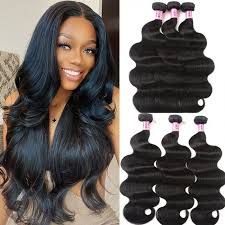
Sew-in extensions are a type of hair extension that adds length and volume to your natural hair. The process usually involves braiding your natural hair into cornrows and sewing hair extensions onto the braids with a needle and thread made for hairstyling.
This method does not usually require glue, making it a popular choice for people who prefer to avoid adhesive products. Sew-ins can create many different looks, including long straight hair, soft curls, and fuller hairstyles.
The final result depends on the type of extensions you choose, your natural hair, and the skill of your stylist. When installed properly, sew-in extensions can look natural and blend well with your own hair.
Why Choose Sew-In Extensions?
There are several reasons why people choose sew-in extensions. One of the biggest benefits is the ability to change your hairstyle without making permanent changes to your natural hair.
Here are some common reasons to consider them:
1. Add length and volume
If your hair is short, thin, or slow-growing, extensions can help you achieve a longer and fuller look. You can choose a length that suits your personal style.
2. Try different hairstyles
Sew-ins allow you to experiment with different textures and styles. Depending on the installation method, you may be able to wear straight hair, curls, or waves.
3. Reduce daily styling
A well-installed sew-in can make your daily hair routine easier. You may spend less time styling your natural hair, although the extensions still need regular care.
4. Protect your natural hair
Some sew-in styles can help protect your natural hair from frequent heat styling and everyday handling. However, protective styling only works well when the installation is not too tight and your scalp and natural hair receive proper care.
How to Find the Right McKinney TX Salon
Choosing the right salon is one of the most important parts of getting sew-in extensions. A good stylist should understand your hair type, listen to your preferences, and explain how to care for your new style.
When searching for a McKinney TX Salon, start by checking online reviews and looking at photos of previous extension work. These can give you an idea of the stylist’s experience and the quality of their results.
It is also helpful to ask whether the salon has experience working with your hair texture. Different hair types may need different preparation methods and extension techniques.
Before booking your appointment, consider asking these questions:
- How much experience do you have with sew-in extensions?
- Which type of hair extensions would work best for me?
- What is included in the appointment price?
- How long will the installation take?
- How should I care for my hair after the appointment?
- When should I return for maintenance or removal?
A professional stylist should be happy to answer your questions. They should also check the condition of your natural hair and scalp before recommending a particular style.
What Happens During a Sew-In Appointment?
If this is your first time getting a Sew-In Extension, knowing what to expect can help you feel more comfortable.
Step 1: Consultation
Your appointment usually begins with a conversation about your desired look. You can discuss the length, color, texture, and volume you want. The stylist may also examine your natural hair to determine whether a sew-in is suitable.
Step 2: Hair preparation

Your natural hair is generally washed, conditioned, and dried before installation. Starting with clean hair helps prepare your scalp and hair for the process.
Step 3: Braiding
The stylist braids your natural hair into a pattern that will support the extensions. The braids should feel secure without causing pain or excessive tension.
Step 4: Sewing the extensions
The stylist attaches the extension wefts to the braids using a needle and thread. They work carefully to create a secure installation and help the extensions blend with your natural hair.
Step 5: Styling and finishing
After the extensions are attached, the stylist shapes and styles your hair according to your preferences. They may trim the ends or blend the extensions to create a more natural appearance.
The entire appointment can take several hours, depending on the style, hair length, and amount of work required. It is a good idea to plan your day accordingly.
How Much Do Sew-In Extensions Cost?
The cost of sew-in extensions varies from salon to salon. Prices depend on the stylist’s experience, the quality of the extension hair, the amount of hair needed, and the complexity of the installation.
Some appointments include the extension hair, while others charge separately for the hair and installation service. Additional services, such as washing, styling, or removing an old sew-in, may also increase the total cost.
Before booking, ask for a clear price estimate. Make sure you understand what is included so you can plan your budget without unexpected expenses.
Remember that the cheapest option is not always the best choice. Proper installation and good aftercare can help you enjoy your extensions while reducing the risk of damage to your natural hair.
How to Care for Your Sew-In Extensions
Taking care of your sew-in is important if you want it to look fresh and keep your natural hair healthy.
First, keep your scalp clean. Sweat, oil, and product buildup can collect around the braids, so follow your stylist’s instructions for washing and drying your hair. Make sure the braided foundation dries completely to reduce the chance of odor or scalp problems.
Second, avoid using too many heavy products. Oils and styling creams can build up around the braids and make your hair difficult to clean.
Third, protect your hair while sleeping. A satin bonnet or satin pillowcase can help reduce friction and keep your hairstyle looking neat.
You should also avoid pulling your extensions tightly into ponytails or buns. Too much tension can place stress on your hairline and may lead to breakage.
Finally, follow your stylist’s advice about how long to keep the sew-in. The right timeframe depends on your hair, the installation, and how well you maintain it. Do not keep the style in longer than recommended, and never ignore pain, itching, or unusual hair shedding.
Are Sew-In Extensions Right for Beginners?
Sew-in extensions can be a good option for beginners who want to try a longer or fuller hairstyle. However, they are not suitable for everyone. If your hair is already weak, your scalp is irritated, or you have noticeable hair loss, speak with a qualified hair professional before getting a sew-in.
It is also important to understand that extensions require maintenance. You will need to clean your scalp, care for your natural hair, and schedule proper removal when the time comes.
If you are unsure which style to choose, start with a consultation. A stylist can help you select an option that fits your hair condition, lifestyle, and budget.
Final Thoughts
Getting sew-in extensions for the first time does not have to be stressful. By learning about the installation process, understanding the cost, and following a proper hair care routine, you can make a more informed decision.
When choosing a McKinney TX Salon, focus on experience, cleanliness, communication, and the stylist’s ability to work with your natural hair. Ask questions before your appointment and make sure you understand the maintenance requirements.
A well-planned Sew-In Extension can help you enjoy a fresh look with added length and volume. With the right stylist and consistent care, you can make the most of your new hairstyle while keeping your natural hair a priority.