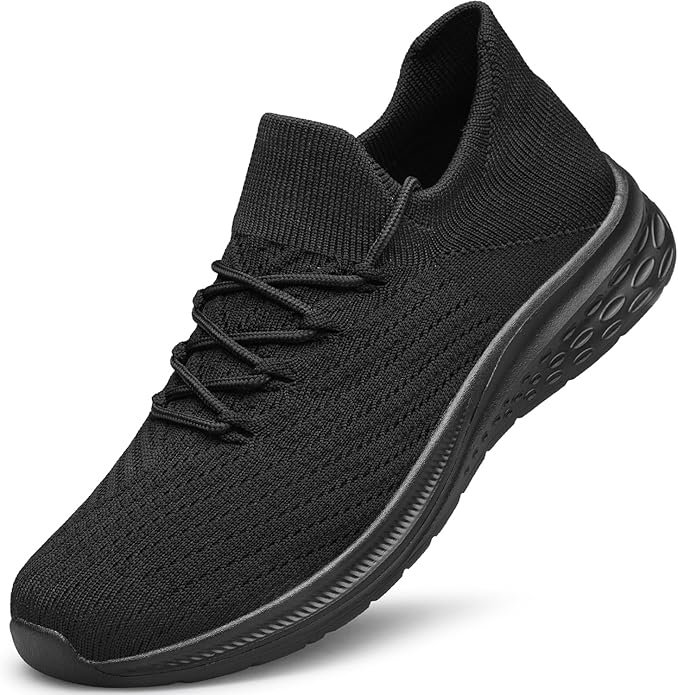
Why Color Matters in Clothing
Color is one of the most powerful elements in fashion. It influences perception, mood, and confidence before a single word is spoken. The colors people choose to wear often reflect emotions, intentions, and personality traits. Bright tones can communicate energy and optimism, while muted shades often suggest calmness and control.
In fashion, color is not just decorative. It plays a functional role by drawing attention, creating balance, and defining the overall feel of an outfit. Understanding color allows individuals to dress with greater intention and clarity.
How Colors Affect Mood and Confidence
Colors have a psychological impact that directly affects how people feel when wearing them. Warm tones often create a sense of warmth and enthusiasm, while cool tones can feel grounding and composed. Neutral shades offer stability and versatility, making them ideal for everyday wear.
When clothing color aligns with mood, confidence naturally increases. Wearing colors that feel comfortable and empowering helps reduce self-consciousness and enhances presence in social and professional settings.
Creating Balanced Color Combinations
Balanced outfits rely on thoughtful color coordination. Pairing dominant colors with softer supporting tones prevents visual overload. Neutrals act as anchors, allowing brighter colors to stand out without overwhelming the look.
Monochromatic outfits create a sleek and cohesive appearance, while contrasting colors add visual interest. Understanding balance ensures that outfits feel intentional rather than chaotic.
Using Color to Highlight Features
Color can be used strategically to emphasize or soften certain features. Lighter shades draw attention, while darker tones recede. Placing colors intentionally helps guide the eye and shape the overall silhouette.
Accessories also offer a low-risk way to experiment with color. Small additions introduce variety without requiring major wardrobe changes.
Seasonal Influence on Color Choices
Seasons naturally influence color preferences. Lighter tones often feel appropriate in warmer months, while deeper shades feel comforting during cooler periods. Adapting color palettes seasonally keeps outfits fresh and relevant.
Building Confidence Through Color
Confidence grows through experimentation. Stepping outside familiar color choices gradually expands personal style. Color becomes a creative tool rather than a limitation.
By understanding color psychology and balance, fashion becomes more expressive and intentional. Thoughtful color choices transform everyday outfits into confident statements of personal style.